Google I O Faces Coding Tool Shortfall
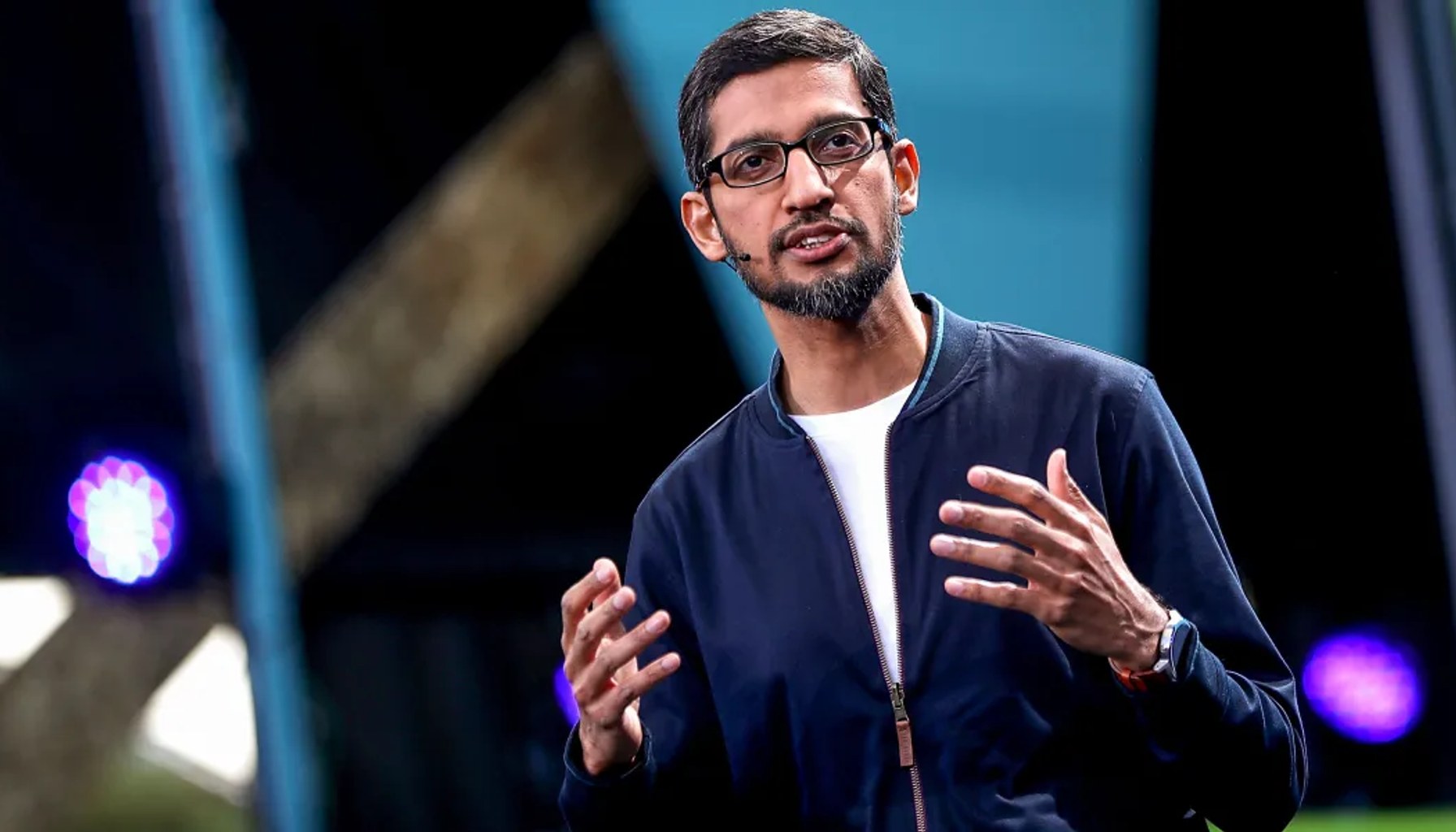
Google enters I/O trailing Claude Code and Codex in coding tools. The annual developer conference in Mountain View is shaping up as a reality check for Google’s AI coding ambitions. The company has long prided itself on software and science capabilities, but the coding side of the foundation-model race now sits behind specialized rivals, according to expectations and reporting cited by Technology Review. (https://www.technologyreview.com/2026/05/18/1137439/what-to-expect-from-google-this-week/)
The story makes clear that Google’s AI coding tools have been outgunned for months, a gap that has forced insiders to rethink leadership in the space. In particular, coders have increasingly turned to Claude Code and OpenAI Codex, narrowing the perceived advantage Google once enjoyed. The conference program will be watched for signals on whether Google can reverse that trend or at least narrow the gap. (https://www.technologyreview.com/2026/05/18/1137439/what-to-expect-from-google-this-week/)
To confront the challenge, Google reportedly has formed a new AI coding team at DeepMind, underscoring a sharper push into coding capabilities rather than only language tasks. The Information has reported the formation of this team as part of an intensified effort to reclaim momentum in code generation and tooling. If true, the move would mark a strategic pivot within the company’s AI organization, signaling that coding proficiency is now a formal priority. (https://www.technologyreview.com/2026/05/18/1137439/what-to-expect-from-google-this-week/)
The LA Times adds another thread to the I O narrative by noting John Jumper, who shared the 2024 Nobel Prize in chemistry with DeepMind CEO Demis Hassabis for protein structure prediction software Alp, is linked to the broader discussions around AI at Google. The mention reinforces a theme at the conference: cross cutting advances in science AI and practical coding tools are both on the radar. (https://www.technologyreview.com/2026/05/18/1137439/what-to-expect-from-google-this-week/)
Practitioner takeaways from this tilt are tangible. First, there is a clear constraint: the coding tools race is no longer about general language prowess, but about practical, production-ready code assistants that can compete with Claude Code and Codex in real workloads. That means more compute and data needs as Google trains or fine tunes coding models, raising the bar for cost and latency. Second, interoperability matters. If Google leans on DeepMind’s new coding team, developers will want seamless integration with Google Cloud tools and popular IDEs, or risk fragmenting their toolchain. Third, governance and safety become binding tradeoffs as more specialized coding models enter production; ensuring reliable code at scale will require new evaluation metrics and robust testing regimes, beyond the current benchmark chatter. (https://www.technologyreview.com/2026/05/18/1137439/what-to-expect-from-google-this-week/)
All of this points to a quarter where the I O stage might pivot from grand science demos to concrete steps in the coding toolbox race. If Google can accelerate a credible coding comeback, it could restore parity with top rivals and reassure developers who rely on Google tools for speed and safety. If not, I O may cement a perception that Google remains a strong science partner while lagging in day-to-day coding power. Either way, the signals tilt toward a more coding-focused battle inside the AI stack this year. (https://www.technologyreview.com/2026/05/18/1137439/what-to-expect-from-google-this-week/)
- What to expect from Google this weektechnologyreview.com / Independent source / Published MAY 18, 2026 / Accessed MAY 18, 2026