Musk Loses Suit Against OpenAI Over Timelines
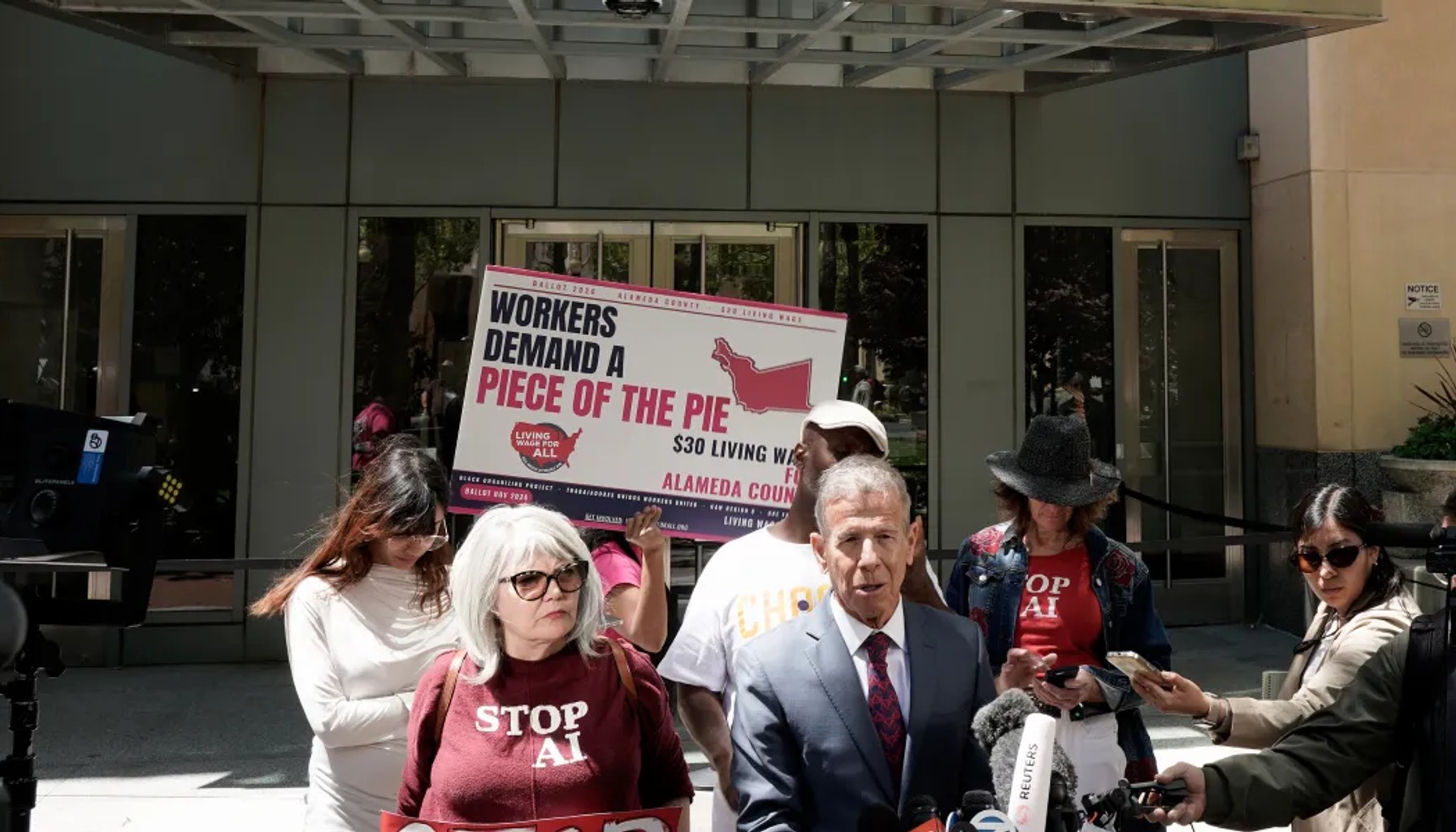
A unanimous jury says Elon Musk sued OpenAI too late. The advisory verdict found his claims were barred by statutes of limitations, a calendar technicality Judge Yvonne Gonzalez Rogers promptly accepted.
OpenAI grew out of a 2015 nonprofit vision and mission to advance AI for humanity, with Musk donating about $38 million in the company’s early days. Musk filed suit in 2024 seeking to unwind a 2025 restructuring that converted OpenAI’s for‑profit subsidiary into a public benefit corporation, arguing a breach of the charitable trust and unjust enrichment claims against Altman and Brockman. The case framed a key tension between philanthropy and corporate form in a rapidly commercializing AI ecosystem.
Statutes of limitations for the two claims underscored the calendar barrier: three years for breach of charitable trust and two years for unjust enrichment, meaning Musk should have discovered or had reason to discover the alleged breach well before filing in 2024. The court’s reading of the time limits sealed the outcome even before delving into merits, a reminder that timing can trump substance in high‑stakes tech litigation.
OpenAI argued the window had already closed, and Judge Rogers accepted the advisory verdict, with Musk signaling plans to appeal. The decision narrows the path for Musk to unwind a 2025 corporate shift that placed a for‑profit subsidiary under a public benefit mandate, a move he challenged as a breach of the nonprofit promise. The legal posture turns on whether promises to preserve nonprofit status were legally actionable after years of corporate evolution.
For donors and researchers alike, the ruling flags a practical caution: charitable commitments tied to evolving corporate structures can be fragile if not codified with precise, time‑bounded covenants and effective discovery rules. This matters for how philanthropic money is protected when a research organization mutates into a hybrid or for‑profit entity, a pattern increasingly common in AI labs.
Industry observers note the decision may influence how AI labs balance mission with revenue pressures, and how governance documents anticipate future reorganizations. The case illustrates a real world constraint on “promise‑based” philanthropy in fast moving tech ecosystems, where restructurings can blur the lines between charitable intent and commercial activity.
Practical takeaways for practitioners include documenting promises with explicit, time‑bound covenants, preparing for governance shifts when nonprofits spin up for‑profit subsidiaries, and building discovery timelines into legal strategy so prospective breaches can be asserted within the statute window. In short, the case argues for tighter, copy‑pasteable governance language around nonprofit missions in a world where AI research increasingly rides a revenue runway.
- Here’s why Elon Musk lost his suit against OpenAItechnologyreview.com / Independent source / Published MAY 18, 2026 / Accessed MAY 18, 2026