Claude Writes Most Code at Anthropic Event in London
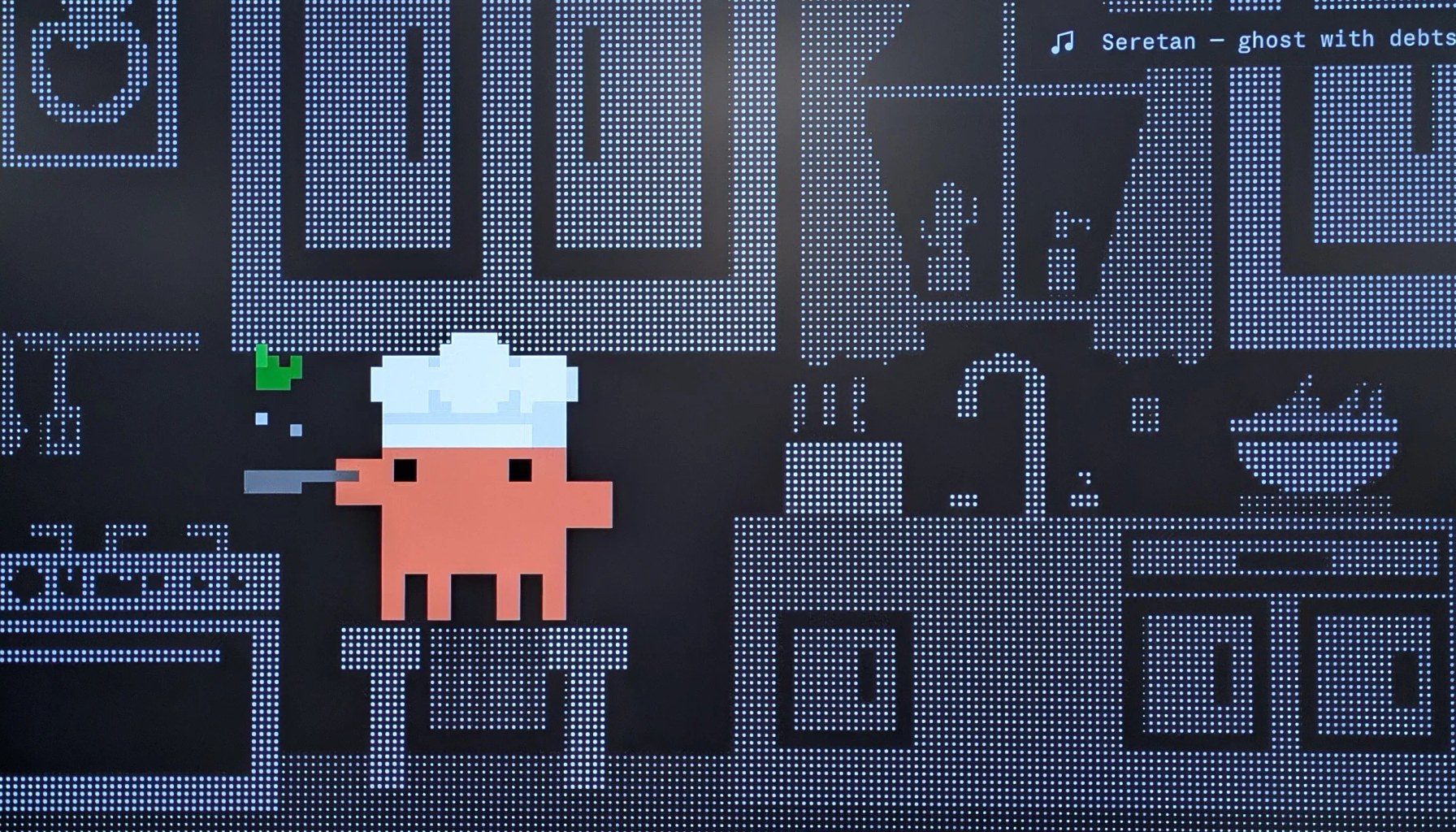
Claude wrote most of the code live at Anthropic's London show. The two day Code with Claude event kicked off on May 19, the same day as Google's I/O in Palo Alto, a coincidence, per Anthropic staff. The format blended talks with live prompting and coding, a scene that left many attendees watching screens as if it were a coding marathon.
From the main stage, Anthropic engineer Jeremy Hadfield asked a provocative question: “Who here has shipped a pull request in the last week that was completely written by Claude?” with most of the room erupting in nervous laughter. The poll wasn’t scientific, but the sentiment was telling: AI is no longer a curiosity in software shops, it is becoming a standard tool in the workflow.
The crowd’s reaction spoke to a broader narrative: nearly half of the hands in a packed London venue indicated they had shipped a pull request written entirely by Claude without reading the underlying code. Anthropic’s thrust is bluntly optimistic: “Most software at Anthropic is now written by Claude,” the company proclaims, with Claude responsible for much of the code in its Claude Code environment.
The event’s timing also mattered: it opened the same day as Google’s I/O and followed Anthropic’s pattern of rolling out progress in visible increments. The company highlighted Claude 4.6 and 4.7 as milestones, designed to tighten the loop between prompt, code generation, and review, expanding what the model can contribute in real time coding sessions.
This was the second year Anthropic has staged developer events, with related sessions in San Francisco and Tokyo, and a nod to the previous year when Claude 4 had just been released. The London show illustrated how quickly the ecosystem has shifted from “how well can a model code” to “how reliably can a developer curate and audit model generated code.” Tech Review article
Analysts and practitioners are watching the trend with mixed emotion. On one hand, the spectacle of a room full of coders watching a model type and refactor in real time signals a productivity leap, as a tool can draft boilerplate, assemble modules, and suggest tests to accelerate onboarding, velocity, and iteration. On the other hand, the same scene underscores why teams must invest in guardrails (code reviews that catch edge cases, hidden bugs, and security gaps that a generator can overlook), paired with strong testing regimes and clear ownership for model outputs.
For products shipping this quarter, the takeaway is pragmatic: AI assisted coding is moving from novelty to a standard workflow in dev teams, with speed gains balanced by fidelity requirements. Teams will want to codify when to rely on model generated code, what prompts produce reliable outputs, how to structure automated reviews, and how to measure the real impact on velocity and defect rates as these tools scale across projects.
What to watch next includes continued improvements in model assisted debugging, tighter integration with CI pipelines, and more transparent prompts that produce auditable, maintainable code. If the trend holds, startups and incumbents alike will increasingly ship features coded with less human handwork and more human oversight, aiming for a balance between speed, quality, and safety in production systems.
- Anthropic’s Code with Claude showed off coding’s future—whether you like it or nottechnologyreview.com / Independent source / Published MAY 21, 2026 / Accessed MAY 21, 2026