Clinical ASR Still Fumbles Drug Names, NVIDIA Says
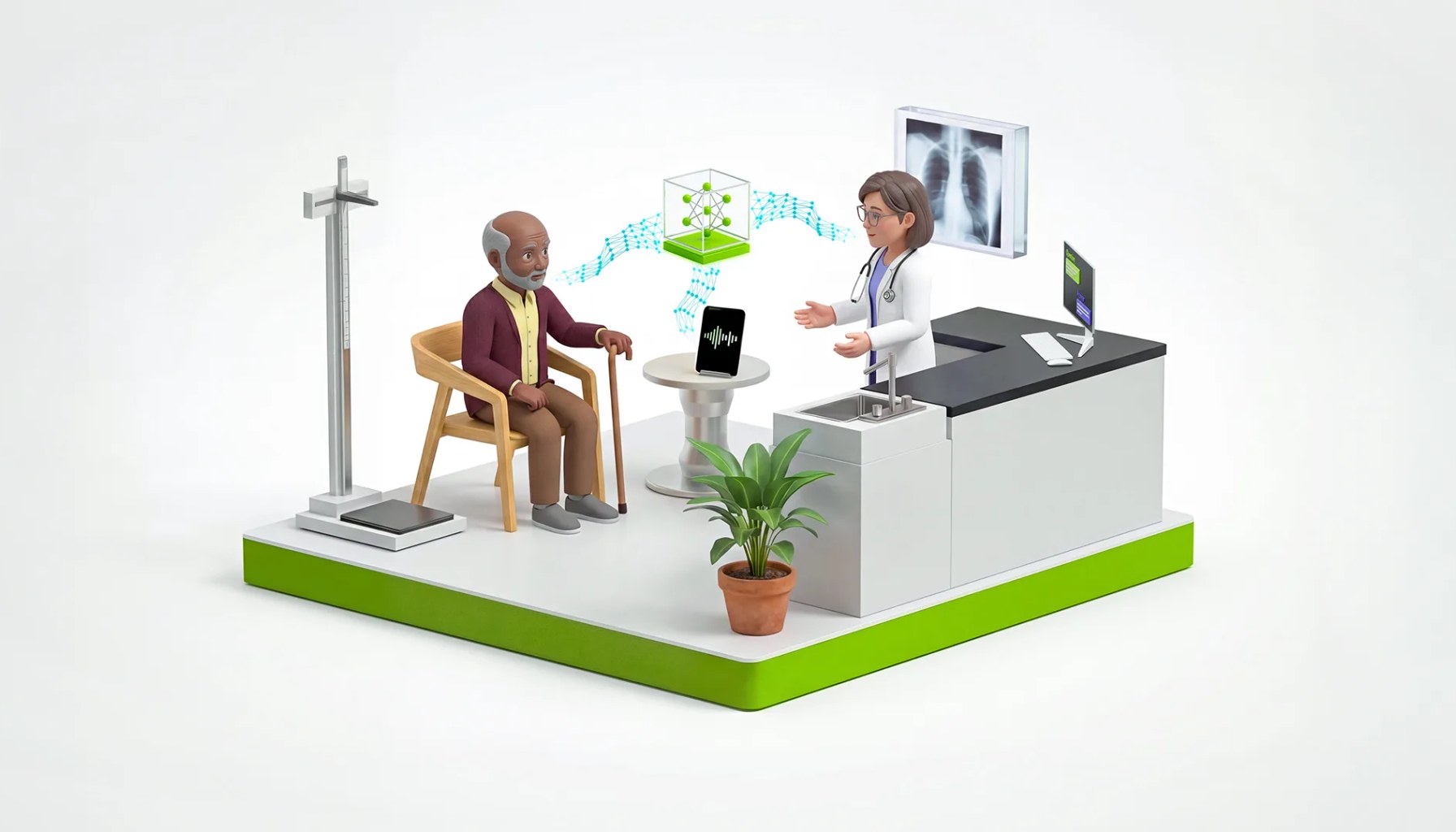
Clinical speech recognition continues to misread drug names, raising alarms about reliability in care settings. A NVIDIA developer blog highlights a targeted effort to evaluate clinical ASR models more quickly using Agent Skills and NVIDIA Nemotron Speech.
Drug names like Acetaminophen, Amlodipine, Cefazolin, and Biktarvy are not part of everyday vocabulary. Procedure names, anatomy terms, and specialty diagnoses present the same fundamental challenge: off the shelf systems can sound fluent while repeatedly getting crucial words wrong. The paper demonstrates this gap in practice, even when overall speech sounds convincing to listeners.
To address the bottleneck, the team presents a framework that speeds up how models are probed on domain specific vocabulary. Agent Skills serves as modular probes that test a model on discrete clinical tasks, while NVIDIA Nemotron Speech provides rapid, scalable evaluation prompts designed to stress test recognition of terminology that historically trips ASR. Benchmarks indicate that this combination helps teams iterate faster on vocabulary coverage and pronunciation handling without waiting for lengthy full system rounds. In other words, you can push a model to its limits on the terms that matter in clinics, not just on generic speech.
The core value is not simply faster scoring but faster learning loops. By isolating vocabulary driven failures with Agent Skills, engineers can pinpoint which terms or term families trigger declines and then target data augmentation or model tweaks more precisely. The Nemotron Speech component accelerates the experimentation cadence by supplying synthetic or scripted prompts that mimic real world clinical language at scale. The result is a more actionable signal about where a model stands on critical drug and procedure terms, rather than a broad, aggregated accuracy number that can obscure the tails.
For practitioners, the implications are pragmatic and narrow in scope but high in stakes. First, vocabulary coverage remains a moving target. Drug names and brand generic pairs shift with new approvals and reformulations, so maintenance of a clinical lexicon is a continuous, active process rather than a one off dataset build. Second, there is a clear tradeoff between speed and realism. While Agent Skills and Nemotron Speech speed up evaluation, synthetic prompts may not fully capture the variability of real clinicians, including accents, rapid dictation, background noise, and cross terminology usage, so teams will need to corroborate findings with real world data streams where permissible. Third, even small misreads in clinical terminology can cascade into wrong decisions, so the emphasis should stay on high confidence recognition for critical terms and explicit fallback behaviors when confidence is low. Fourth, the approach highlights a practical path for teams to compare model iterations and external baselines on a fair, vocabulary centered footing, rather than chasing broad, generic metrics that may hide stubborn gaps.
In framing, the paper suggests that the path to robust clinical ASR lies as much in how you test as in how you train. Benchmarks indicate that targeted, rapid evaluation of domain terms can reveal weaknesses that broad benchmarks miss, and the team reports that the combination of Agent Skills with Nemotron Speech materially shortens the loop between model updates and performance visibility. For product teams building clinical dictation, automated documentation, or decision support assistants, the message is practical: design your evaluation around the words that actually matter in care, and equip your pipeline to iterate quickly on those terms.
- Evaluate Clinical ASR Models Faster with Agent Skills and NVIDIA Nemotron SpeechNVIDIA Developer Blog / Primary source / Published JUN 09, 2026 / Accessed JUN 09, 2026