COVID Quiet Reveals Wildlife Noise Problem
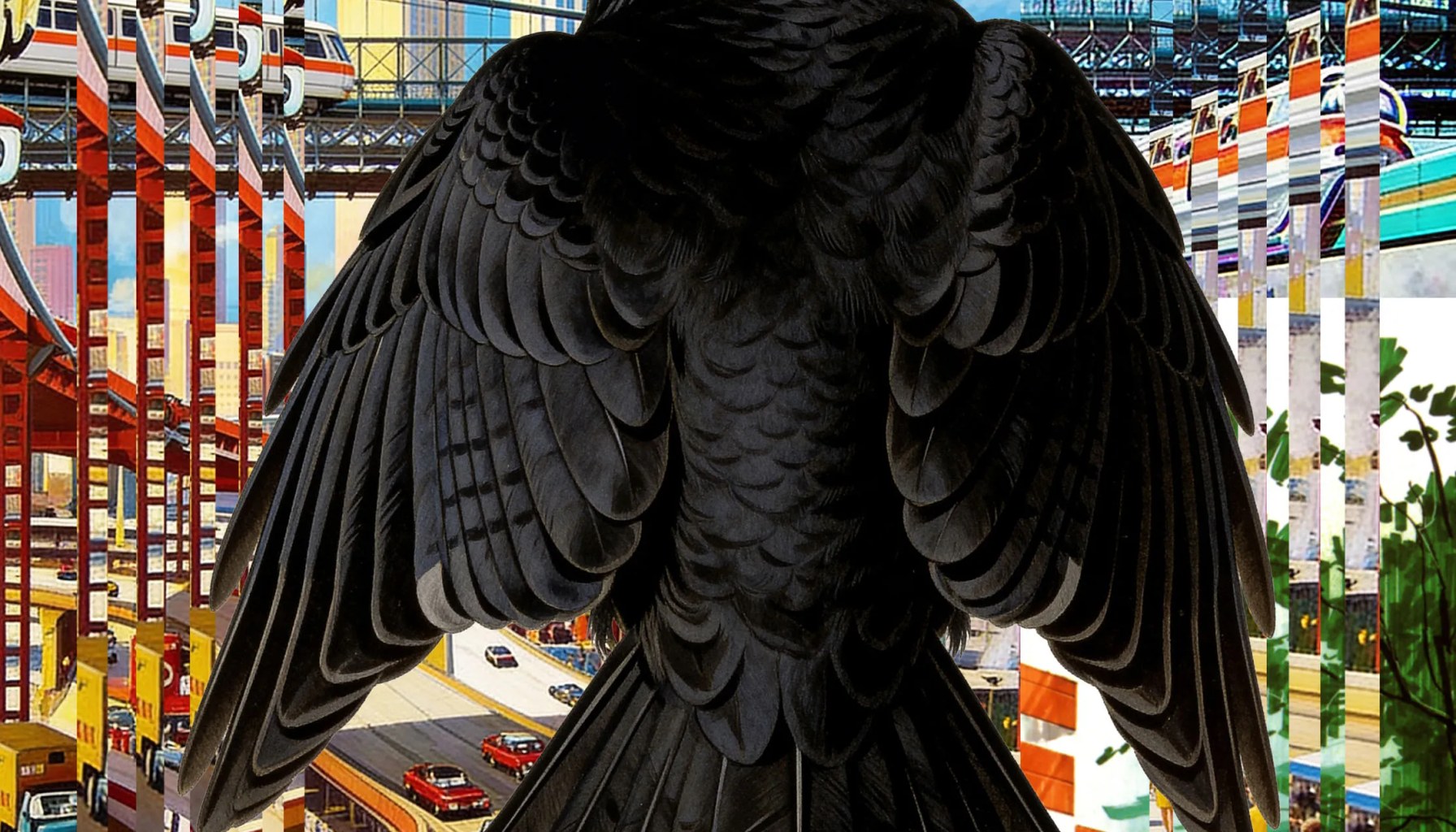
COVID quiet revealed a startling truth: less noise saves wildlife.
When the pandemic shut down city life, Jennifer Phillips found herself listening for sparrows in a city park where two highways slice through the trees. The world’s sudden hush made the birds’ songs easier to hear, and the data she’s collected over years started to look different. The noise humans generate—cars, planes, machinery—acts like a constant chorus underneath animal calls, and Phillips’ work in the Presidio of San Francisco shows how disruptively loud it can be.
The paper demonstrates that anthropogenic noise constantly competes with wildlife signals. In environments once filled with the clamor of traffic, birds and other animals rely on precise acoustic cues to defend territory, attract mates, and detect predators. The past few years of quiet, including the early lockdown period, offered a rare, natural experiment: if sounds fade, can wildlife hear better and respond more effectively? Phillips and her colleagues say yes, at least for birds like white-crowned sparrows.
In the Presidio, a landscape of grassy fields and leafy groves sits alongside two busy highways. Phillips has been recording sparrows there since the 2010s, and historical data go back to the 1950s for these birds in other contexts. In those earlier decades, sparrows often sang complex, lower-pitched melodies. The modern urban soundscape, rich with engine hum and tire noise, tends to drown out those signals—not unlike trying to hear a whisper in a stadium. The quieter months during the pandemic provided a contrast: sparrows’ songs rose above the ambient buzz more clearly, suggesting their calls and songs are being masked by human noise even in urban edges.
From a practitioner’s standpoint, the lesson lands in two places: measurement and design. First, acoustic ecology is not just about counting birds; it’s about mapping the exact acoustic fingerprint of a habitat and how it overlaps with a species’ vocal range. The phone-app-like intuition—“can they hear one another?”—isn't enough. You need precise frequency content, timing, and context to understand when noise is most disruptive and which species are most vulnerable. Second, the implications for urban design are practical. If we want wildlife to maintain natural communication, quiet corridors, noise-reducing road surfaces, and strategic zoning can matter as much as habitat restoration.
The human cost is not purely ecological, either. When animals struggle to hear, miscommunication can cascade into failed mating, missed alarms, and shifted territory boundaries. The study is a reminder that as cities grow louder, there are tangible losses in the natural signaling networks that ecosystems depend on. The pandemic demonstrated a temporary experiment in reverse: less sound can enable more natural behavior. The challenge is turning that insight into durable policies and infrastructure choices that endure after lockdown dashboards fade from memory.
For companies and planners racing to ship next-quarter improvements, there’s a clear signal: noise is a design constraint, not a nuisance. This matters for products and services around urban planning, environmental impact assessments, and wildlife-friendly infrastructure. Potential moves include quiet-by-design roadways, lower noise concrete and asphalt options, and scheduling policies that minimize noise during key wildlife activity windows. These decisions aren’t just about comfort; they frame how resilient urban ecosystems remain as human activity presses outward.
Of course, there are limits. Phillips’ work focuses on sparrows in a single park, and human-dominated landscapes are a mosaic of species with different hearing ranges and sensitivities. The broader generalization—whether similar benefits will be seen across other animals or in more complex ecosystems—needs broader study. Still, the present evidence makes a compelling case that noise is not a mere backdrop but a driver of ecological outcomes. If cities want to coexist with wildlife more effectively, quiet needs to become an operational parameter, not a passive byproduct of growth.
Analogy helps: trying to hear a whisper in a busy subway is the mental image, and the takeaway is practical—quiet is not just nice to have; it changes what wildlife can do, and, by extension, how ecosystems function alongside our cities.
If you’re building tools for environmental planning, the season’s project brief is simple: quantify the acoustic environment with the same rigor you apply to habitat quality, and design interventions that reduce overlap between noise and the species’ calls. The pandemic offered a rare controlled experiment; the real test is whether we apply those lessons in the urban noise budgets of 2026 and beyond.
- The noise we make is hurting animals. Can we learn to shut up?technologyreview.com / Source role not classified / Published APR 16, 2026 / Accessed APR 16, 2026