Digital Platforms Slash Robotics Time-to-Market
By Maxine Shaw
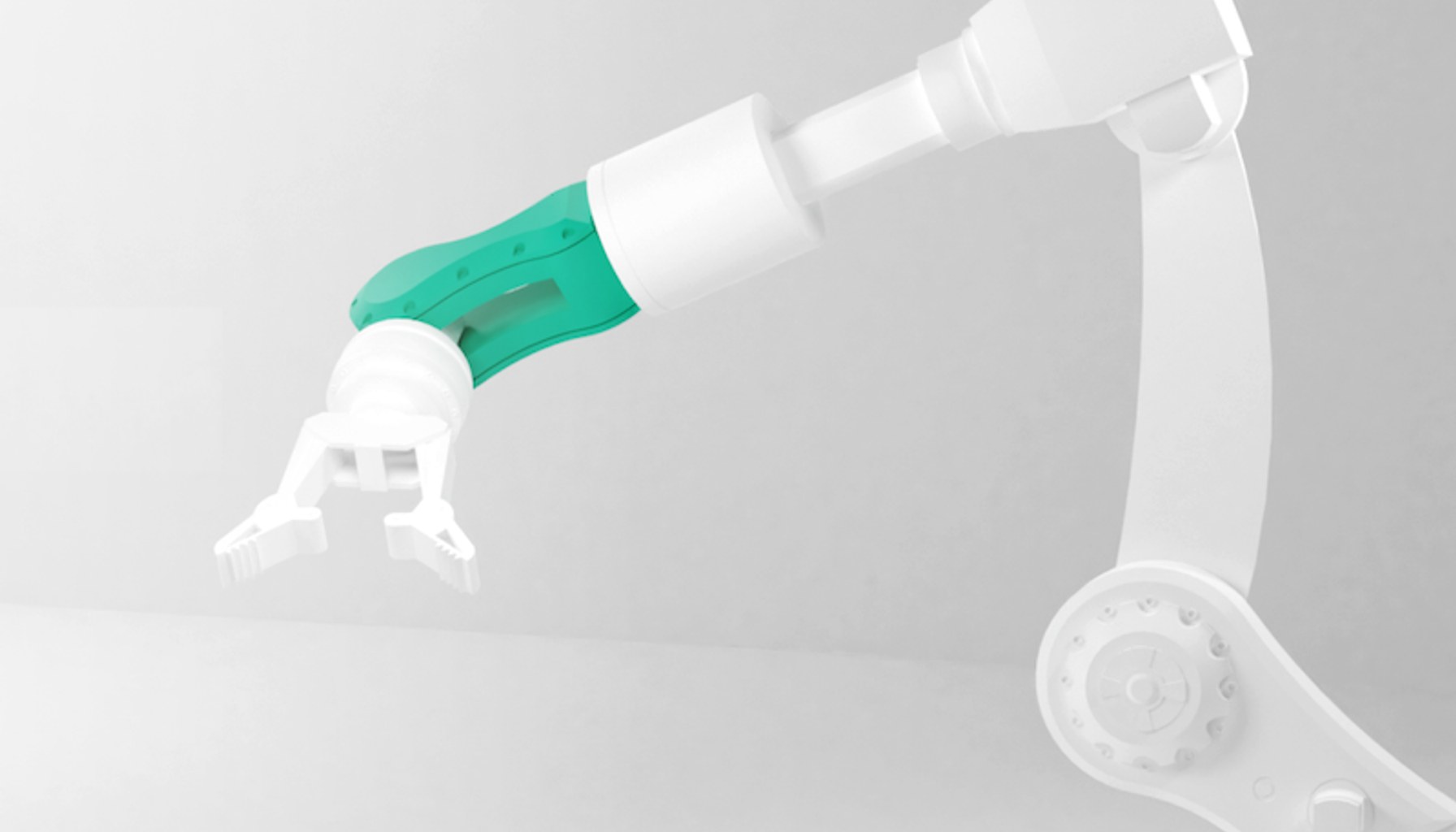
Image / roboticsandautomationnews.com
Robotics teams just beat the clock—months shaved off time-to-market thanks to digital manufacturing platforms.
The piece notes that pressure on robotics teams to move from concept to production faster has never been higher. Whether teams are building industrial automation systems, autonomous platforms, or new robotic hardware, executives expect reliability and performance without the wait. Digital manufacturing platforms are positioned as the backbone of that acceleration, offering a digital thread that links design, simulation, prototyping, and production in a single, auditable chain. Production data shows that moving beyond isolated tools into an integrated platform can cut iteration cycles and reduce late-stage rework—two notorious bottlenecks in robotics programs.
At the core, the platform approach hinges on virtual validation and modular reuse. Engineers can test control software, robot paths, and end-of-arm tooling in a simulated environment before touching a real cell. Digital twins and model-based design enable teams to catch integration mismatches early, align the bill of materials across suppliers, and validate performance against real-world load profiles long before hardware is wired up in a line. Integration teams report that the same platform can propagate design changes across multiple iterations and facilities with consistent data, dramatically reducing the drift that used to derail launches.
The article also touches a practical truth many CFOs know from the field: there is no one-size-fits-all payoff in robotics, and vendor claims of “seamless” transitions rarely survive the first factory floor test. Payback timing varies by program scope, plant readiness, and how deeply a line is already digitized. What’s clear from the coverage is that the value isn’t just faster coding or quicker software plumbings; it’s the reduction in late-stage fixes and rework that typically gum up deployment schedules. In other words, the payback isn’t only about hours saved in development; it’s about fewer critical path delays once the robot actually runs.
From a practitioner’s vantage, several realities emerge. Integration teams emphasize that successful deployments require more than software sophistication: they demand cross-functional governance between IT and operations, a stable data model, and disciplined change control. Floor space and power aren’t abstract concerns: you’ll need dedicated zones for servers, sensors, and workstations, plus reliable networking to keep the digital thread alive across simulation, validation, and on-floor control. Training hours matter, and not lightly—operators and technicians typically require substantial upskilling to leverage virtual commissioning tools, interpret analytics, and maintain digital twins in production. And even with a mature platform, humans remain essential for final validation, on-site commissioning, and handling edge cases the model never anticipated.
There are hidden costs vendors seldom spell out upfront. Licensing dynamics, data migration chores, and ongoing cybersecurity and maintenance can shift the total cost of ownership enough to surprise the unwary. The article notes that while the promise is faster time-to-market, the total economics hinge on disciplined planning: clear data standards, phased pilots, and strong change management.
Two to four practitioner insights stand out for plant leaders facing this choice. First, start with a small, tightly scoped pilot that ties a specific deployment metric—cycle-time reduction or defect rate improvement—to the digital platform, then scale. Second, insist on an explicit data governance plan so the digital thread doesn’t devolve into a collection of disconnected silos. Third, budget for training and IT/OT alignment as a non-negotiable line item; the true ROI emerges only when operators and engineers can exploit the platform daily, not just during a demo. Finally, plan for the unavoidable costs that aren’t marketed as part of the platform—license escalations, data migration, and cyber resilience—so you aren’t surprised when “digital” becomes an ongoing program rather than a one-off purchase.
In the industry’s broader arc, digital manufacturing platforms are shifting robotics development from a serial sprint to an integrated relay race. The most successful programs will couple platform capabilities with disciplined governance, realistic expectations on payback, and a steady cadence of hands-on training. If done right, the payoff isn’t just a faster launch; it’s a more predictable production startup, lower rework, and a better ability to scale automation across multiple lines and sites.
Sources
Newsletter
The Robotics Briefing
Weekly intelligence on automation, regulation, and investment trends - crafted for operators, researchers, and policy leaders.
No spam. Unsubscribe anytime. Read our privacy policy for details.