Europe’s New Age-Check App for Social Media
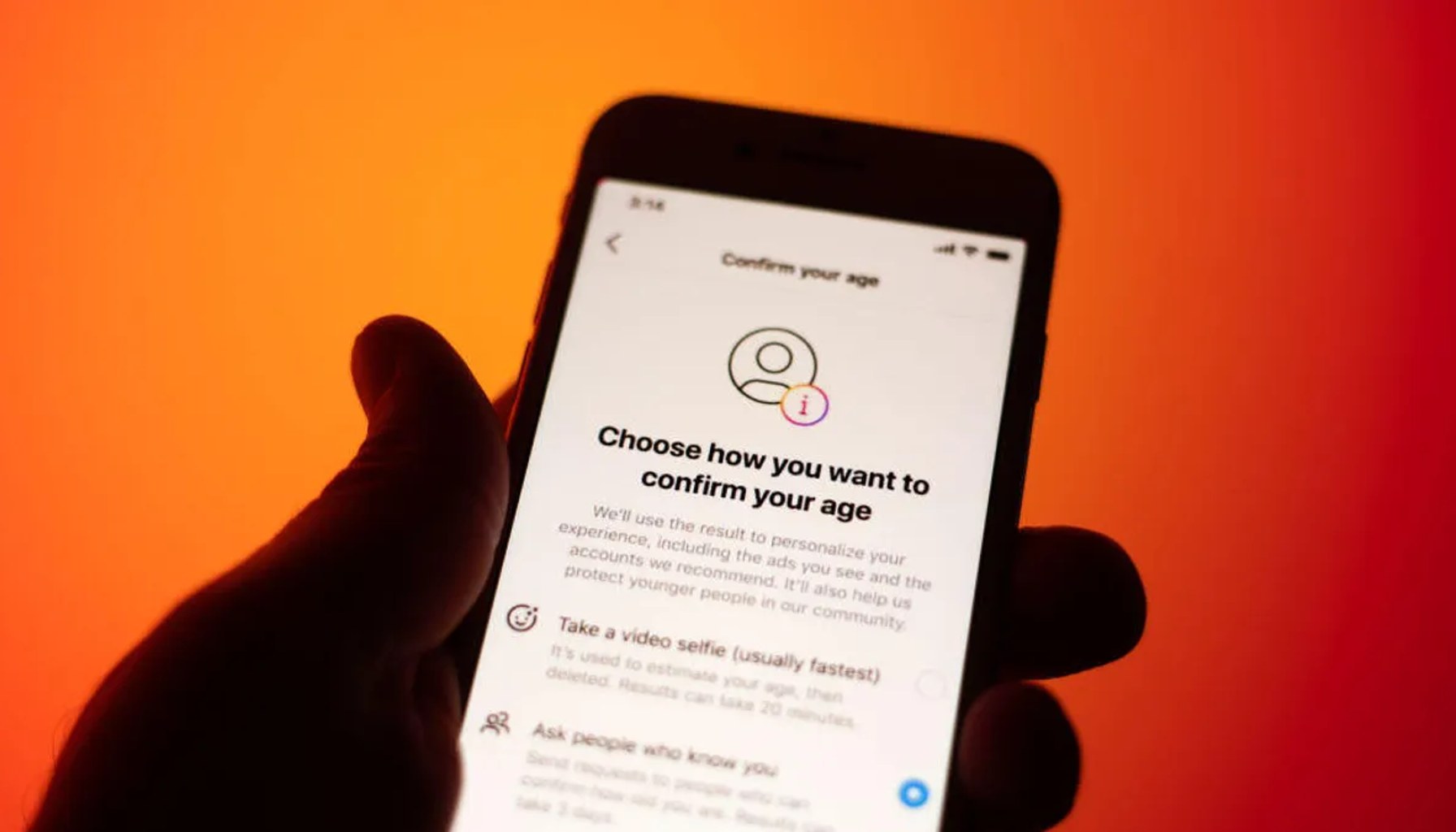
Europe’s new age-check app for social media is coming.
The European Commission says the tool is technically ready and will be rolled out soon, a move President Ursula von der Leyen framed as a milestone in kids’ online safety. The plan signals a dramatic shift for platforms that host youthful users across the bloc, and it comes as lawmakers push tougher steps to curb underage access to adult content, bullying, and other online harms. In practical terms, the app would sit at the edge of a social network’s own user-verification flow, offering a standardized signal about a user’s age that platforms can rely on to gate features, content, and targeted advertising.
Details are tight, and the Commission has not released a hard rollout date or a full technical blueprint. What is clear: policymakers aim to harmonize age checks across member states, reducing the patchwork of national rules that have long left platforms weighing different thresholds and compliance costs. For platforms, that could mean a single EU-facing verification interface instead of dozens of country-specific requirements. For users, it could mean more consistent protections—or more data requests—depending on how the verification is implemented.
Privacy advocates are watching closely. Age-verification systems can become a two-edged sword: they may improve safety for minors, but they also raise questions about data provenance, storage, and consent. If the app requires identity documents or if verification data travels across networks to multiple platforms, worries about surveillance and data minimization will sharpen. Proponents counter that privacy-preserving approaches—zero-knowledge proofs, minimized data sharing, or third-party validators with strict limits—could blunt those concerns. In any case, the design choice will define real-world acceptance by families, schools, and teens themselves.
Industry observers note that success hinges on platform adoption, not just policy enforcement. The obvious constraint is compatibility: whether major social networks—some of the biggest traffic drivers in Europe—will integrate the verification signal smoothly or opt to ignore it in favor of their own age checks. In addition, the system must work consistently across 27 EU member states with different regulatory cultures, digital infrastructures, and language needs. That tension—centralized policy intent versus platform-level autonomy—will determine how widely the tool actually reduces underage exposure and whether it edges out loopholes.
From a practitioner standpoint, several dynamics are worth watching. First, the cost of integration for platforms matters: if the EU version is expensive to implement, some players may delay or offer only partial rollouts, blunting overall impact. Second, the risk of false results—kids misreported as adults and vice versa—could provoke pushback from parents and educators, inviting a cascade of appeal processes and user-friction that diminishes usability. Third, the initiative could spur a wave of privacy-by-design innovations in the sector, as companies seek to prove that verification can be reliable without creating data-trails that feel invasive. Fourth, oversight and enforcement will be critical. Without credible, uniform enforcement, platforms may game the system or revert to low-cost checks that offer a veneer of safety rather than real protection.
Pricing and consumer costs, in this case, aren’t about monthly fees for a product. This is a regulatory tool, not a consumer subscription. No retail price is attached, and the plan’s success will depend on governance, funding for implementation, and ongoing compliance costs borne by platforms and, potentially, member states.
Verdict: wait and watch. If the Commission’s rollout delivers clear guidelines, interoperable standards, and credible privacy protections, the age-check app could become a substantive lever for safer social media in Europe. But the path from technically ready to commercially effective is littered with questions about platform uptake, data practices, and cross-border enforcement. In short: promising in theory, and heavily dependent on how it’s implemented in practice.
- How to Keep Kids Safe Online? Europe Believes Its Age Verification App Is the Answercnet.com / Source role not classified / Published APR 15, 2026 / Accessed APR 15, 2026