FCC grants Netgear router import lifeline through 2027
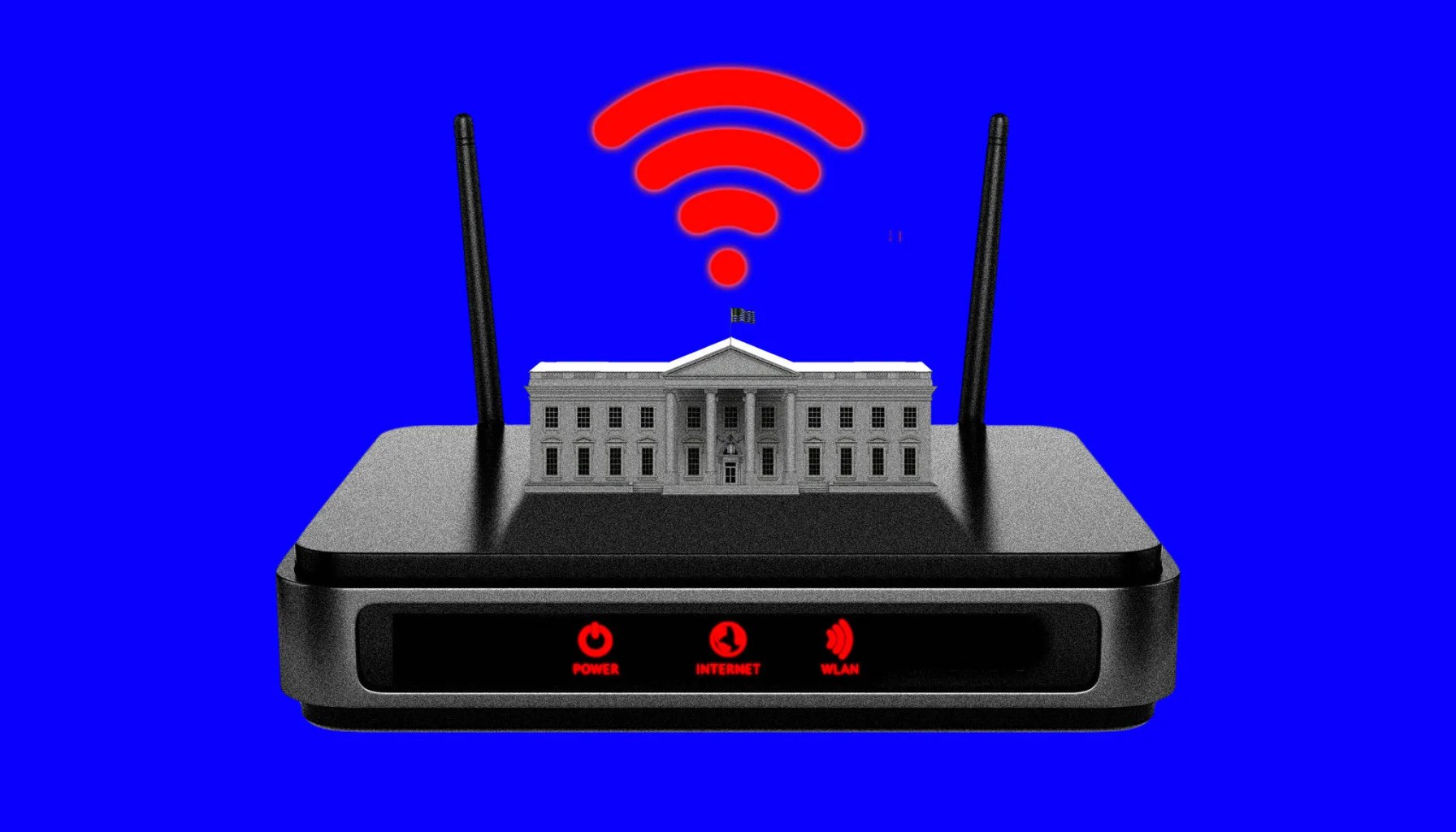
The FCC just granted Netgear a temporary import lifeline for its routers—through October 1, 2027.
Netgear’s future consumer routers, cable modems, and cable gateways can keep entering the U.S. market under a conditional approval, even though the company designs and builds those devices in Asia and has shown no plan to relocate manufacturing to the United States. The decision comes amid a broader struggle over whether foreign-made networking gear should be allowed into the American supply chain, a debate that has rumbled through regulatory circles for years. The commission’s announcement is sparse on rationale, and Netgear’s own statements offer little more than a confirmation that the carve-out exists.
What stands out is the absence of a clear public explanation. The FCC notes only that the Pentagon has made “a specific determination” that these devices do not pose risks to U.S. national security, but it does not spell out what tipped the scales or what conditions, if any, will accompany the exemption. In practical terms, Netgear can continue to import and sell future models in the U.S.—at least for a few more years—despite the broader policy context that has sought to curb foreign-made consumer networking equipment.
For consumers and industry watchers, the decision highlights the asymmetry often at the heart of tech policy. A targeted approval like this can smooth near-term supply and avoid price shocks, but it also keeps a large policy question unresolved: will the United States rely on a patchwork of conditional permissions and national-security reviews, or move toward a more uniform approach to what kinds of hardware can cross its borders? The Pentagon’s involvement signals that the matter sits at the intersection of defense, technology, and commerce, where national security and economic considerations frequently pull in different directions.
Industry observers should view this as a temporary hedge, not a final resolution. The approval is explicitly time-bound, and the clock starts ticking in October 2027. That means retailers, distributors, and buyers should brace for potential changes—whether the decision is renewed, altered, or revoked. It also raises questions about other foreign-branded networking gear in the market: will Netgear’s case invite similar narrow exceptions for rivals, or will it become a one-off concession tied to specific products?
Two to four practitioner considerations stand out. First, timed, conditional approvals inject after-sales risk into the supply chain. Vendors and retailers must plan for policy reversals, sudden import disruptions, or shifts in compliance costs. Second, this case underscores how national-security reviews continue to wield influence over consumer hardware, even when products appear ordinary to everyday users. Expect more explicit or hidden documentation requirements, testing, or reporting as a condition of stay‑rules in future approvals. Third, Netgear gains crucial breathing room to map strategy—whether to accelerate domestic manufacturing, pivot to alternative sourcing, or absorb potential import costs in pricing—depending on how the policy landscape evolves. Fourth, buyers should watch for any accompanying limitations that might arise later, such as cybersecurity reporting expectations or hardware-configuration stipulations that could alter a device’s appeal or total cost of ownership.
In the here and now, the market appears to be in a holding pattern. Consumers may not feel the ripple effects day to day, but IT managers and procurement teams will want to track updates closely as October 2027 approaches. For Netgear, the temporary clearance buys time to chart a longer-term plan in a landscape where regulatory, national-security, and trade policy converge on a single, evolving axis: the safety and reliability of the devices that modern homes and small offices rely on every day.
- The FCC just saved Netgear from its router ban for no obvious reasontheverge.com / Source role not classified / Published APR 14, 2026 / Accessed APR 14, 2026