Foldables Move to Center Stage in the 2026 Phone Lineup
By Riley Hart
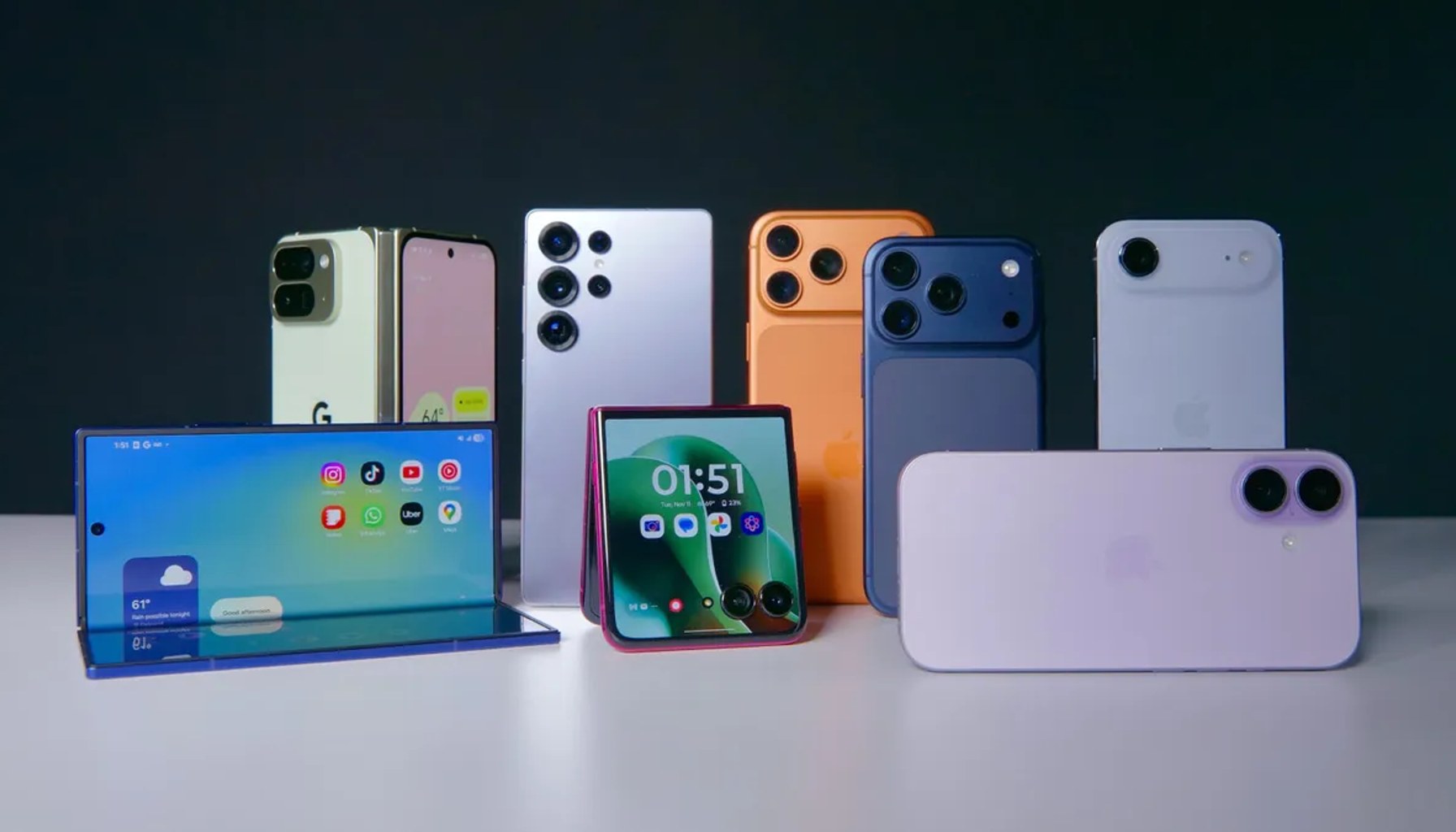
Image / cnet.com
Samsung, Apple and Google are pushing foldables into the 2026 spotlight. The big three are lining up devices that include an Apple iPhone Fold, Google Pixel 11, and Samsung Galaxy Z Fold 8, with more foldables from other makers expected to launch this year Source.
The report underscores a pivotal shift, a foldable era that moves beyond novelty to a core platform for flagship phones, with expectations that an all new wide screen Galaxy Fold will join the race in 2026 Source. That emphasis on a larger, more versatile panel signals that manufacturers are betting big on the idea that software and multitasking can be meaningfully enhanced when the display itself is not confined to a single rectangle. The landscape, already crowded with early foldables, now looks set for a true product wave rather than scattered experiments Source.
In practical terms, the 2026 lineup positions foldables as a testing ground for price, durability and user experience. The article notes that Apple, Google and Samsung are each pursuing a foldable stance, suggesting competing philosophies on hinge design, panel technology, and software optimization will collide in the market this year Source. That convergence creates a crowded field where small advantages in reliability or app continuity could determine whether a device feels like a bold leap or a clever bling that wears thin after a few weeks of use. For buyers, the question becomes not just which brand offers the best camera or processor, but which foldable best integrates with daily routines and pet chewed chargers alike Source.
From a practitioner’s point of view, several tensions loom over foldable launches. First is the tradeoff between display size and pocketability; second is hinge durability and screen longevity in real world use; and third is the price barrier for early adopters who want a true daily driver without constant maintenance or disruption to their apps. The 2026 milestones, especially the mention of a wider Galaxy Fold, make those tradeoffs central to any purchasing decision, nudging consumers to weigh convenience against potential fragility and cost Source. In this context, the competition among iPhone Fold, Pixel 11 and Galaxy Z Fold 8 could push ecosystems toward more robust multitasking features, cross device continuity, and improved software experiences that make foldables genuinely practical rather than merely aspirational Source.
Looking ahead, industry watchers will be watching not just specs but how these devices perform in the wild: battery management on larger flexible panels, cooling during heavy workloads, and the continuity of apps when the device morphs from phone to tablet form. The 2026 lineup suggests a coordinated push from the major platforms, possibly shaping what many expect to be a multi year shift in how we think about a phone’s shape as much as its speed or camera. If the trend holds, foldables could become a standard reference point for how a smartphone should adapt to the user, rather than forcing users to adapt to the device Source.
As these devices progress from announcement to daily life, buyers should track not only the hardware but the software ecosystems that back them. The most telling signal will be how well each brand moves beyond novelty features to deliver reliable performance, consistent app behavior, and meaningful multitasking across a split or folded screen. If 2026 lives up to the hype, the foldables named in the report could redefine what a flagship phone looks like in the modern market, and set expectations for what comes next in mobile design Source.
Newsletter
The Robotics Briefing
A daily front-page digest delivered around noon Central Time, with the strongest headlines linked straight into the full stories.
No spam. Unsubscribe anytime. Read our privacy policy for details.