Helsing Plans $50 Million West Virginia Factory for HX-2 Drone Production
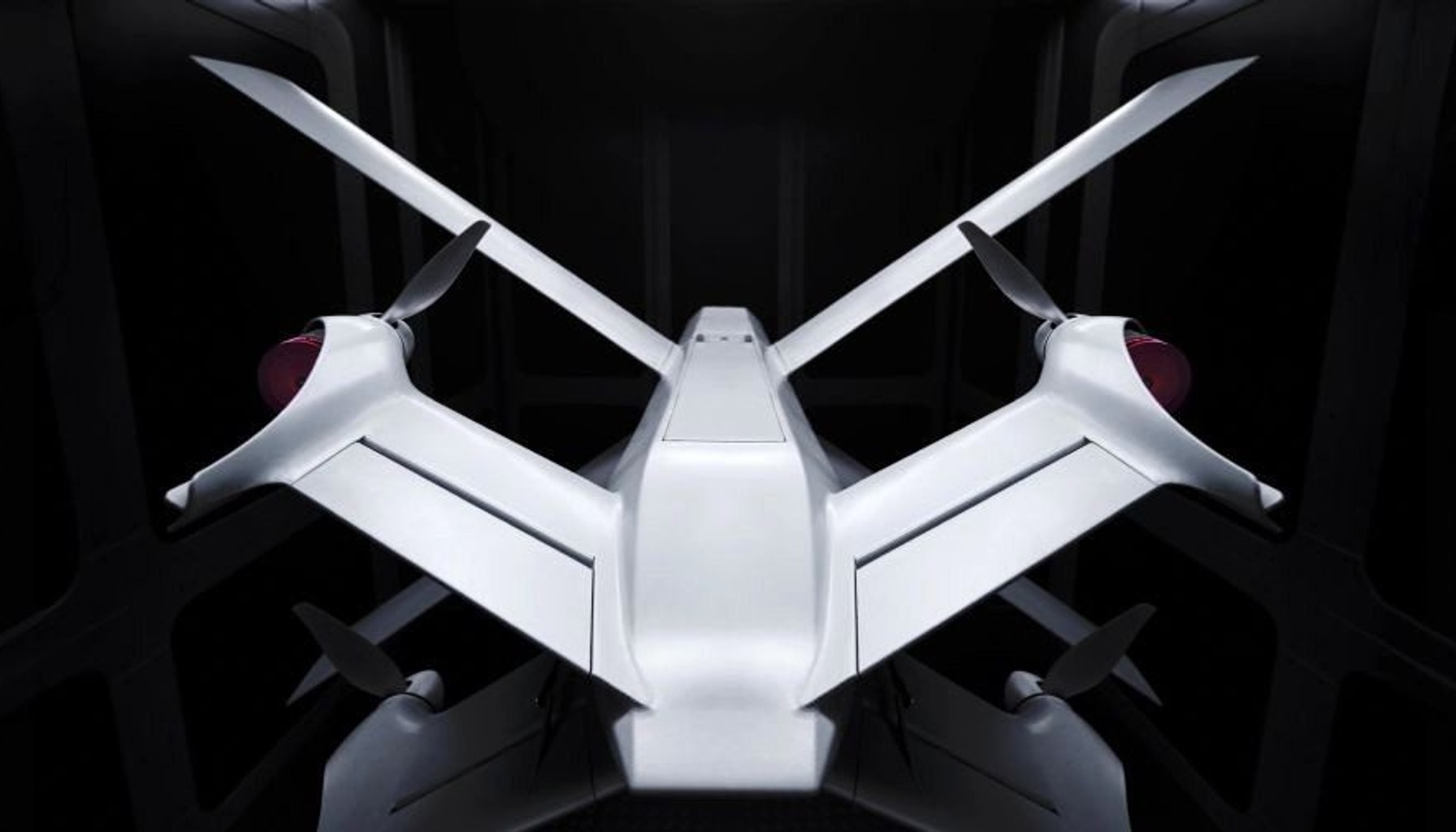
Image / assemblymag.com
The Martinsburg site is intended to produce more than 2,000 HX-2 strike drones a month, adding U.S. capacity to Helsing’s network of high-volume defense manufacturing facilities.
Helsing SE plans to invest $50 million in a Martinsburg, West Virginia, factory to mass-produce its HX-2 autonomous strike drone, the German defense company said.
The planned facility would have capacity to build more than 2,000 drones per month, or at least 24,000 annually if it operated at that rate throughout the year. Helsing has not announced a construction start date, completion date, production launch target, workforce size, permitting status, incentives or financing terms.
The project would expand Helsing’s U.S.-based manufacturing footprint and place a high-volume drone assembly operation in West Virginia. Helsing describes the planned plant as part of its global network of “resilience factories,” production sites intended to provide local and sovereign manufacturing capacity for national customers.
The HX-2 weighs 26 pounds, has a stated top speed of up to 137 mph and a range of up to 60 miles. The aircraft uses an X-wing configuration, four rear-mounted propellers and four electric motors. Helsing says the drone has a low acoustic signature and is designed for precision strike missions.
Jennifer McArdle, general manager of Helsing Inc., said the HX-2 was designed for high-volume production and rapid deployment. “Modern deterrence requires advanced technology and the ability to produce it at speed, at scale and in sustained volumes,” McArdle said.
For plant operators, the central metric in the announcement is output rather than drone performance. A 2,000-unit monthly run rate implies an average of roughly 67 completed units per calendar day, or about 91 per production day in a 22-day month. Helsing has not disclosed the number of production lines, shift pattern, takt time, automation equipment, test stations or final-acceptance process required to achieve that throughput.
Helsing said its manufacturing approach reduces hardware complexity by using software to absorb functions that otherwise would require more components and assembly steps. The company also cited systematic choices in components, materials and manufacturing techniques as part of the HX-2 design. That approach can improve throughput only if supply chains, incoming inspection, software loading, propulsion assembly and flight or functional testing are balanced around the same production rate.
The factory could create associated demand for electronics assembly, electric-motor and propeller supply, battery handling, composite or airframe materials, packaging and defense-grade quality control in the region. However, Helsing has not identified local suppliers or said which components will be made in Martinsburg rather than sourced elsewhere.
The investment also fits a wider reshoring and defense-industrial expansion cycle, in which manufacturers are adding domestic capacity to reduce dependence on distant supply chains and support government demand. But the operational challenge is not simply opening a building. Sustained output at more than 2,000 drones per month will depend on qualified production staff, reliable component availability, test capacity and the ability to manage engineering changes without slowing the line.
Helsing has not provided details on how much of the Martinsburg operation will be automated or how its equipment will affect skilled manufacturing roles. The company’s emphasis on fewer components and assembly steps suggests a design intended to reduce manual touch labor per unit, but technicians would still likely be needed for production equipment maintenance, electrical integration, inspection, software provisioning and quality assurance. Those requirements remain unconfirmed until Helsing releases its factory plan and hiring details.
For West Virginia, the announced facility represents a potential advanced-manufacturing investment with an unusually clear output target. For Helsing, the more consequential milestone will be converting that target into a qualified, repeatable production system that can maintain volume while meeting defense reliability requirements.
- German Drone Manufacturer to Build Factory in West Virginiaassemblymag.com / Trade / Published JUL 21, 2026 / Accessed JUL 22, 2026
- Severe Skills Gap Threatens Future Manufacturing Growthassemblymag.com / Trade / Published JUL 22, 2026 / Accessed JUL 22, 2026