I built a $5 smart home dashboard and deleted three apps
By Riley Hart
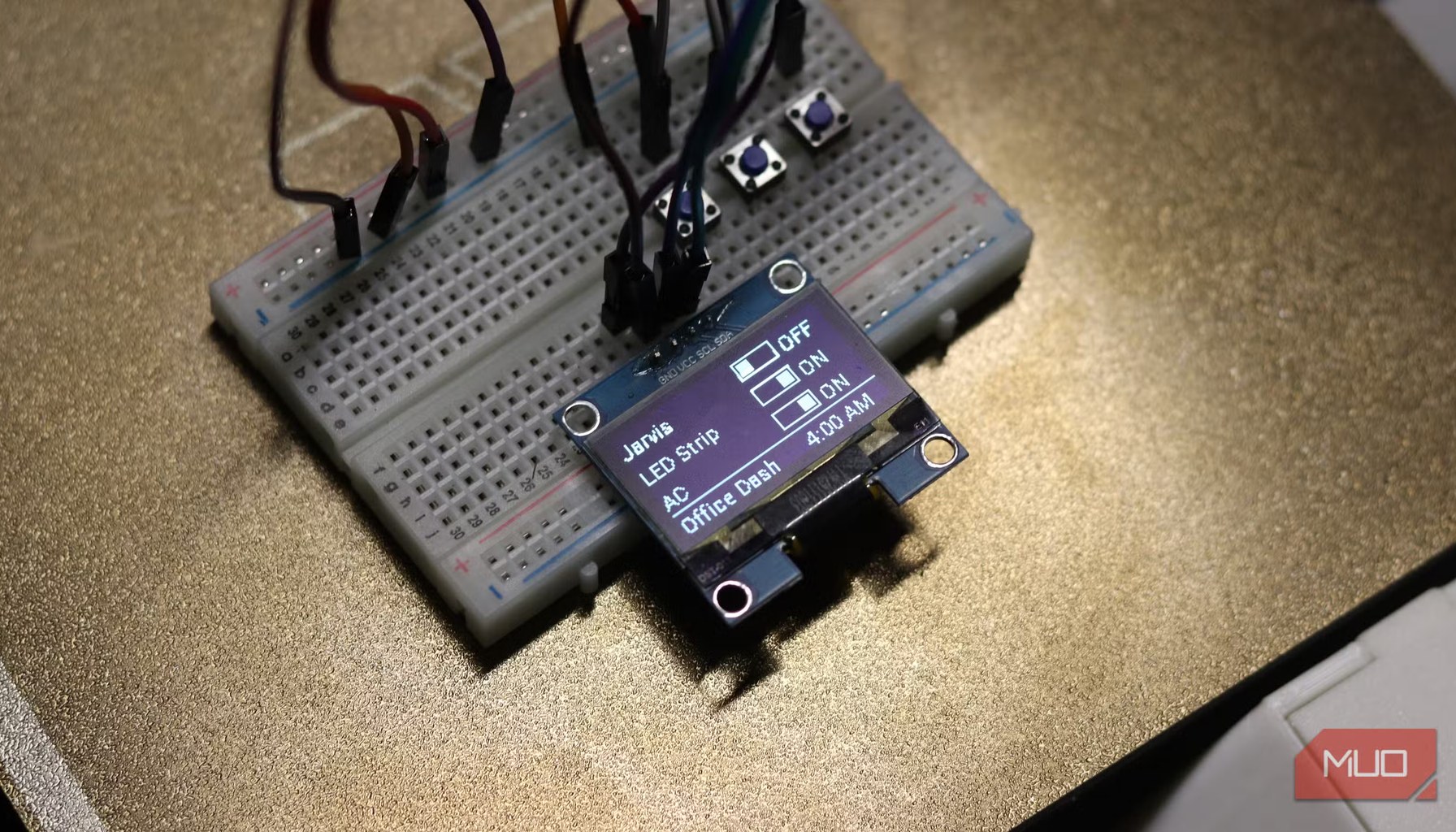
Image / MakeUseOf Smart Home
A $5 smart home dashboard cuts app clutter.
As smart home devices multiply, users feel the friction of ecosystem decisions. The article notes that devices from different manufacturers often don’t speak to each other, and before you know it you’ve got half a dozen apps on your phone that you barely touch. The story follows a DIY move: instead of chasing every new feature in every app, a single dashboard is assembled to orchestrate the essentials across brands. The result, according to the piece, is a leaner setup that lets the user delete three separate apps, replacing a tangle of interfaces with a single pane of control.
The math is simple and telling. The author spent about five dollars to assemble the dashboard, sidestepping a parade of subscriptions and monthly fees that typically compound for smart homes. The exact configuration isn’t described in detail, but the takeaway is clear: when you can bridge devices through a lightweight interface, you gain simplicity without paying for each manufacturer’s software. The reported outcome is tangible: three apps no longer crowd the home screen, and control feels more cohesive. In a market where new devices arrive weekly and each vendor touts its own app as the gateway, that kind of consolidation can feel like a small miracle.
Total cost including subscriptions: roughly $5; there are no ongoing subscription fees beyond that initial outlay. This matters because the value proposition hinges on avoiding recurring charges while still delivering on centralized control. For comparison shoppers, the signal is that a DIY dashboard can, at least for a moment, beat the ongoing cost of keeping six or more apps current and compatible.
The catch is real, even if the headline is appealing. Centralizing control creates a single point of failure: a misconfigured dashboard, a firmware update that breaks an integration, or a vulnerability in the dashboard software becomes a choke point for the entire smart home. If the dashboard relies on cloud services or third party bridges, data footprints can expand rather than shrink, and the friction of updates or outages can ripple across the whole setup. In other words, the convenience comes with privacy and lock in questions: who hosts the dashboard, where does the data travel, and how quickly can you recover if the project stalls or the community tooling dries up?
From a practitioner’s standpoint, a few concrete takeaways emerge. First, expect a tradeoff between simplicity and resilience. A single dashboard can reduce app bloat, but it may require ongoing tinkering as devices change APIs or firmware. Second, during setup, prioritize stable, well documented interfaces. The more you can rely on open or widely supported protocols, the less risk you’ll face if a vendor ends support or pivots its own platform. Third, plan for security as a feature, not an afterthought. A dashboard that touches multiple devices across brands becomes a valuable target if not properly segmented and secured. Finally, monitor the total cost over time. The initial $5 figure is compelling, but an evolving home can drag in new devices; ensure you’re prepared for incremental investments if you want to keep the dashboard current.
For readers who chase a cleaner control surface, the DIY route offers a compelling proof of concept. You can strip away redundancy and gain faster, centralized access to the things you use most. The question is whether the gains hold up as your smart home grows and evolves. If you value maximal privacy and long term independence from any single ecosystem, a DIY dashboard is worth a test run, so go in with eyes open about maintenance, potential lock in, and how updates might affect reliability.
- I built a smart home dashboard for $5 and deleted three smart home appsMakeUseOf Smart Home / Mainstream / Published JUN 05, 2026 / Accessed JUN 06, 2026
Newsletter
The Robotics Briefing
A daily front-page digest delivered around noon Central Time, with the strongest headlines linked straight into the full stories.
No spam. Unsubscribe anytime. Read our privacy policy for details.