IVF enters AI era with safer, cheaper promise
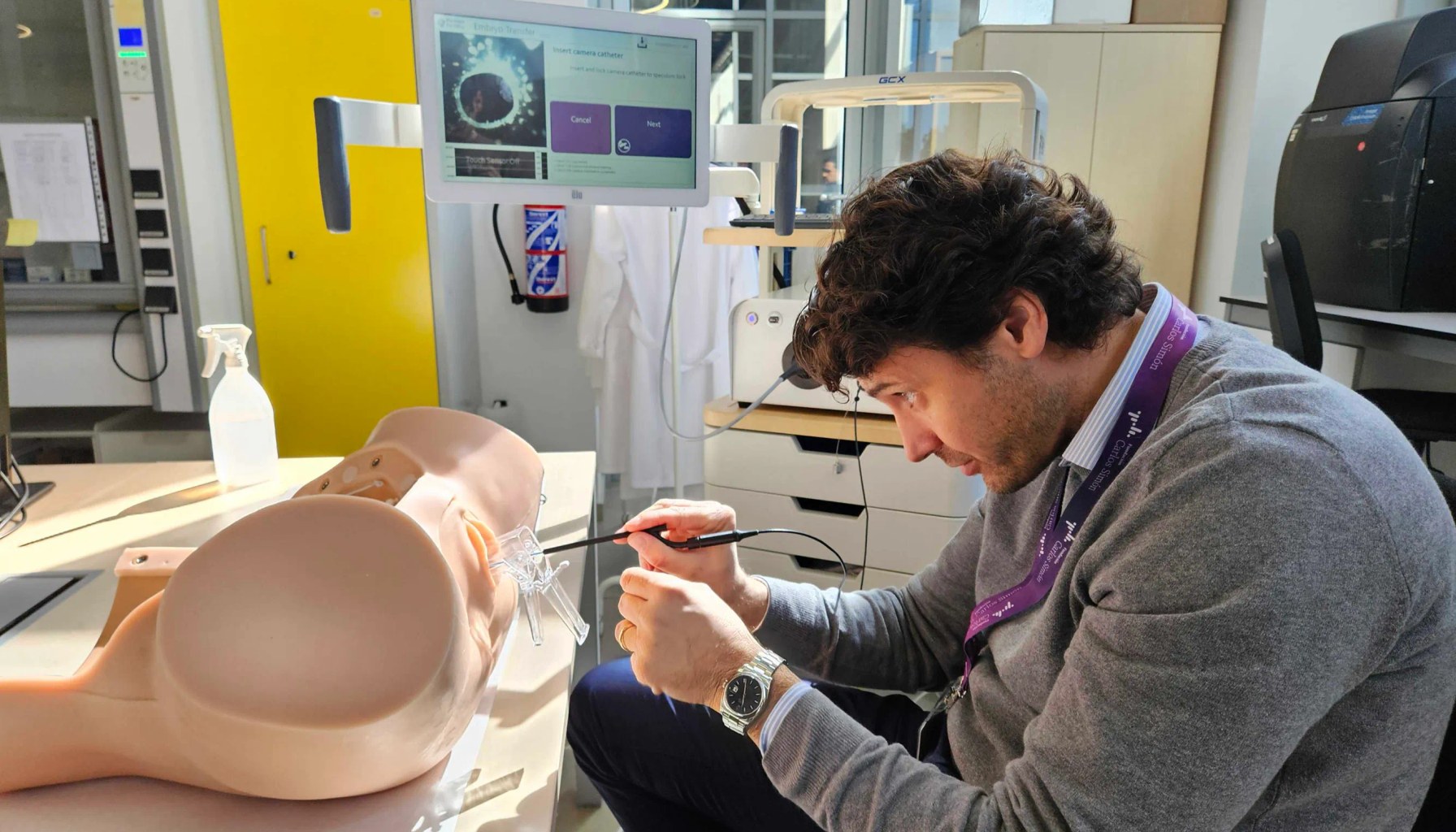
AI and robots are joining IVF labs to standardize care, boost success, and cut costs.
IVF has saved millions of lives since Louise Joy Brown’s birth, but the process remains slow, painful, and expensive. And by one measure, success rates have been declining in recent years. Embryologists still can’t fully explain why many healthy embryos fail to implant or why outcomes vary so much between clinics. Now researchers and clinicians are turning to AI, robotics, and genetic tools to standardize treatment, eliminate human error, and push success rates higher.
In Valencia, the Carlos Simon Foundation is exploring how to bring more control to the IVF workflow. During a recent lab tour, researchers showed a device that had been used to keep a human uterus viable outside the body, a line of work meant to illuminate how the implantation window might be harnessed or observed more precisely. The glimpse into ex vivo systems underscores a broader push: if machines can monitor embryo development, match it to the right timing, and minimize handling, clinics could reduce variability and error prone to human hands.
Beyond that lab bench, the conversation extends to ethics and the uses of advanced genetic tools. Researchers are weighing how AI, robotics, and preimplantation genetic testing (PGT) might be used to analyze embryos or, in some debates, alter them. The political and moral questions mirror a larger tension in assisted reproduction: how to harness powerful tools to improve outcomes while safeguarding patient autonomy, consent, and long term societal implications.
For clinics and patients, the promise comes with costs and caveats. AI- and robot-enabled IVF could standardize care and potentially reduce some sources of failure, but upfront investment in equipment, software, and new workflows is nontrivial. Access remains uneven, and safety, privacy, and regulatory oversight will shape how quickly these tools roll out. In other words, the future is not just faster baby-making; it is also a careful balance of cost, ethics, and real world execution.
Practitioner insights you can act on now:
The bottom line for this quarter is pragmatic: AI and robotics promise a safer, more consistent IVF path, but the real test will be how quickly clinics can justify the investments, navigate ethics and privacy, and train teams to blend human judgment with machine guidance. If they pull it off, IVF could become faster, more reliable, and more accessible, without sacrificing the careful oversight that patients deserve.
- What’s next for IVFtechnologyreview.com / Source role not classified / Published MAY 07, 2026 / Accessed MAY 08, 2026