Musk v OpenAI escalates as bid to unwind for profit
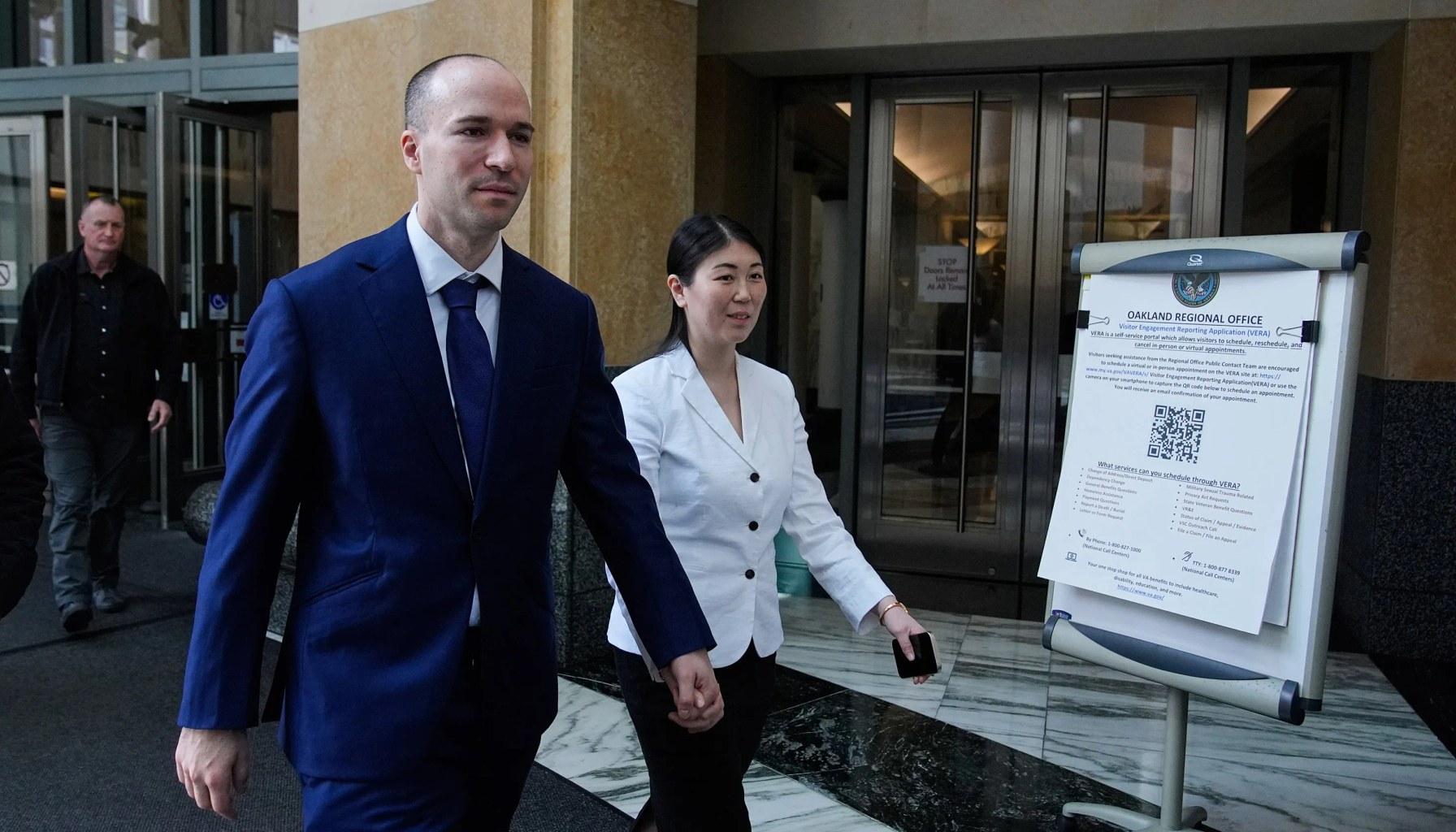
Elon Musk says OpenAI duped him into funding a nonprofit that later became a for profit empire.
In week two of the trial, OpenAI pushed back hard, with Greg Brockman arguing that Musk himself pressed for a for profit arm and fought to grab "absolute control" over it. The dynamic framing here is not just a personalities story; it hinges on whether the company’s shift from nonprofit ambitions to a for profit subsidiary was a strategic necessity or a betrayal of Musk's original promises.
Shivon Zilis testified that Musk even tried to recruit Sam Altman to run a new AI lab at Tesla, adding a personal wrinkle to the corporate dispute that electrifies the public narrative around AI leadership and loyalty. The moment underscores how intertwined boards, founders, and star engineers have become in a high stakes race for AI dominance.
Musk is seeking, among other remedies, the removal of Altman and Brockman and an unwind of OpenAI’s restructuring into a public benefit corporation; he has floated damages that could total as much as $134 billion from OpenAI and Microsoft. The scale of the demand highlights how personal and corporate disputes in AI’s top tier are colliding with questions about who bears responsibility for a technology that could reshape entire industries.
Experts say the case could redraw the map for AI funding and IPO timing. If Musk succeeds in challenging the 2019 to 2023 pivot that turned a nonprofit into a for profit with a public benefit layer, the courtroom verdict could reverberate through OpenAI’s path toward a potential trillion dollar IPO, and the broader ecosystem around SpaceX backed and xAI adjacent ventures.
Industry watchers also note several practical implications. Governance and control over a for profit AI engine, the risk of litigation driven distraction, and the signaling effect on investor appetite for AI bets all loom large.
If the court tilts toward Musk, startups and incumbents alike may recalibrate how they structure funding, governance, and executive incentives around AI ventures. If it tilts the other way, the current OpenAI Microsoft collaboration could accelerate, while the threat of a disruptive governance ruling would weigh on the IPO cadence that AI firms and investors have been eyeing for years. Either outcome will be read as a signal about how quickly the AI race can translate into public markets.
The week’s disclosures crystallize a simple truth for practitioners: the legal form of an AI company can be as consequential as its model. The case turns on what a company promises at the moment of inception, what it delivers under pressure, and how those promises hold up when billions hinge on a single boardroom decision. For founders and operators plotting their own AI bets, the takeaway is to design governance that survives both market cycles and courtroom scrutiny.
- Musk v. Altman week 2: OpenAI fires back, and Shivon Zilis reveals that Musk tried to poach Sam Altmantechnologyreview.com / Independent source / Published MAY 08, 2026 / Accessed MAY 09, 2026