Kuka bets on Automation 2.0: AI-driven robotics rise
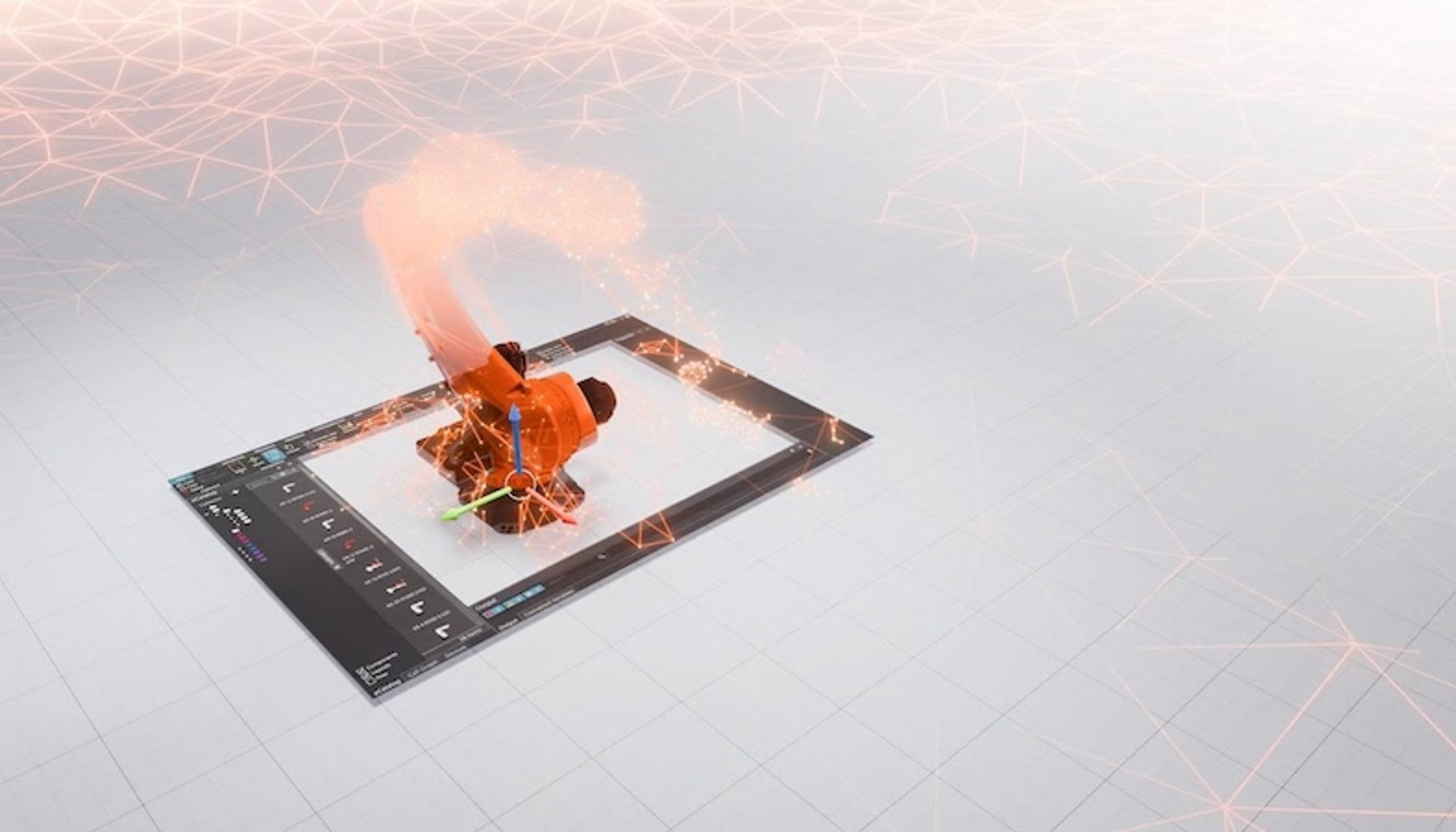
Kuka just turned AI into the operating system for factories.
At Nvidia’s GTC, the German robotics maker unveiled Automation 2.0—a strategy to fuse AI software with industrial robotics to deliver more adaptive, autonomous production cells. The concept sits squarely in what the industry now calls “physical AI”—systems where sensors, cameras, and control software act and learn in real time, with machine intelligence steering robotic actions on the shop floor rather than inside a PLC programming silo alone.
What that means on the floor is a shift from task-specific automation toward systems that can reconfigure themselves in response to part variation, line changes, or subtle quality signals. Kuka executives described a software-first approach that treats the robot as a reusable cognitive asset: the same hardware, a richer decision-making layer, and a pipeline for continual learning from ongoing production. In practice, that requires tighter data flows—from PLCs, vision systems, and vibration sensors to AI models that predict wear, adjust grip force, or optimize motion paths without reprogramming the cell from scratch.
For plant leaders, the promise is tempting: shorter cycle times, fewer reworks, and a can-do response to variability that used to trigger full line changes. Yet the path to those benefits hinges on a disciplined integration effort. Industry observers say the Automation 2.0 playbook demands more than a software license; it requires a fresh architecture for data, compute, and safety governance that touches the entire production ecosystem.
Two practitioner themes stand out. First, integration teams report that real value comes only when AI models can talk meaningfully to legacy automation. That means mapping signals from PLCs and field sensors to AI inputs, establishing reliable data labeling and labeling governance, and building an update lifecycle that preserves deterministic machine behavior. It’s not plug-and-play; it’s a phased deployment that blends simulated runs with staged real-world trials. Second, the commercial math behind Automation 2.0 is press-ready but numbers matter. Without published ROI benchmarks, payback will depend on factors like line throughput, defect rate baselines, and the quality of the initial data pool used to train models. In short, the same adage that haunts most AI-in-factory bets—garbage in, garbage out—applies with extra force here.
The on-floor implications go beyond software. Hardware footprints grow as edge compute, AI accelerators, and data storage gear nestle closer to the line. Power, cooling, and floor space become design constraints, not afterthoughts. Security and safety become continuous programs rather than checkpoints on a risk register; autonomous decisions require rigorous validation, fail-safes, and clear rollback paths when something drifts out of spec. Floor supervisors confirm that rapid, autonomous adjustments are appealing—but they also caution that the human-in-the-loop role won’t disappear overnight: technicians must still intervene for tool changes, quality gates, and occasional breakdowns.
Hidden costs tend to show up after the demo, as always: ongoing model maintenance, regular software updates, and the training hours required to keep the workforce adept at supervising and troubleshooting AI-driven cells. The promise of dramatic cycle-time reductions is real, but the economics will crystallize only as deployments mature, with transparent reporting on integration effort, data readiness, and first-pass productivity gains.
If Automation 2.0 delivers, it won’t be a single miracle patch. It will be a staged, data-driven transformation that requires new muscle from procurement, IT, and floor teams alike. Kuka’s announcement signals a broader industry pivot: robotic systems that learn, adapt, and operate with a degree of autonomy—as long as manufacturers commit to the investments, the governance, and the training that such a shift demands.
- Kuka outlines ‘Automation 2.0’ strategy, combining AI software with industrial roboticsroboticsandautomationnews.com / Source role not classified / Published APR 13, 2026 / Accessed APR 13, 2026