Lubrication Programs Cut Downtime and Boost ROI
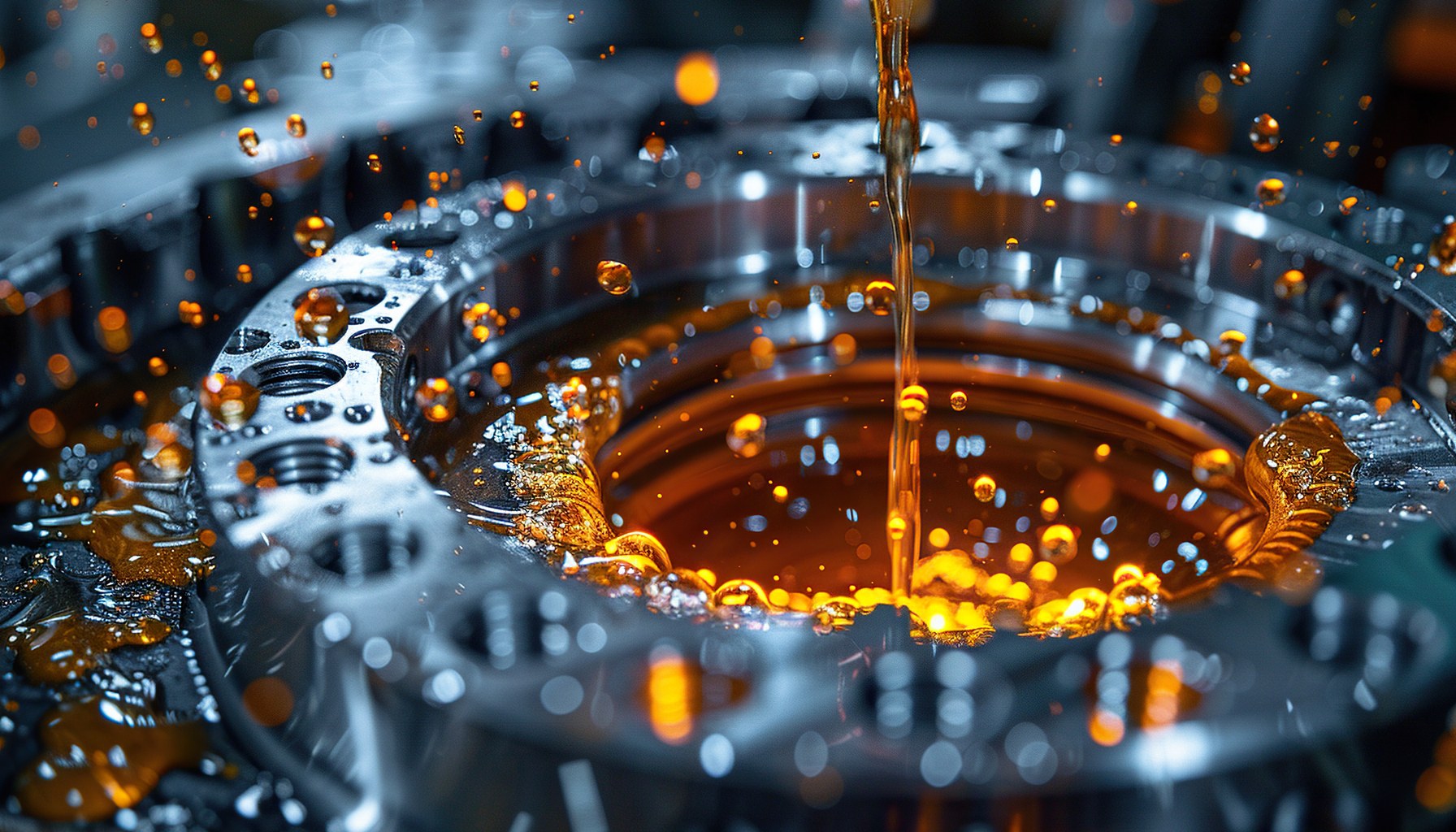
A maintenance overhaul in a manufacturing plant shows automatic lubrication delivering better control and longer lasting lubricants, a combination that cuts failures and supports ROI.
Experts note that the biggest shifts in plant needs center on efficiency and reliability: lubricants that last longer, reduced lubricant fragmentation through consolidation, and local, on-time inventory to prevent stoppages.
Automatic lubrication is not a gimmick but a growing capability, improving both the delivery device and the monitoring and control of the lubrication system. When a plant pairs automatic delivery with smarter monitoring, maintenance teams can trend wear and anticipate failures before they trigger downtime, aligning with the industry push for measurable ROI.
The experts acknowledge real-world friction: modernization must happen without sacrificing uptime. Upgrades to lubrication programs succeed when maintenance workflows integrate training, supplier partnerships, and disciplined application, rather than just swapping in a new pump and hoping for magic. In other words, the project must be treated as long term discipline, not a one-off expense.
Floor-level observations reinforce the case: if a plant builds local inventory, consolidates lubricants, and schedules routine analysis, technicians spend less time chasing part numbers and more time on actual machine care. Production data shows that reliable stock and predictable maintenance cycles translate into fewer unplanned stops, while ROI documentation reveals clearer payback timelines for lubrication program investments.
From the shop floor to the CFO office, the message is practical: lubrication programs work best when you emphasize discipline, monitor results, and partner closely with suppliers who can provide lubricant analysis and rapid replenishment. The tradeoffs are real: upfront kit costs and training hours, but the payoff shows up as reduced failures, steadier cycle times, and a credible path to payback. Operational metrics show the payoff compounds as maintenance turns proactive rather than reactive, and as automatic lubrication evolves with smarter devices and data.
- Expert Q&A: Learn about lubrication program best practices for manufacturing plantsplantengineering.com / Source role not classified / Published MAY 05, 2026 / Accessed MAY 06, 2026