Matter Support Is the Smart Home Feature Worth Paying Attention To
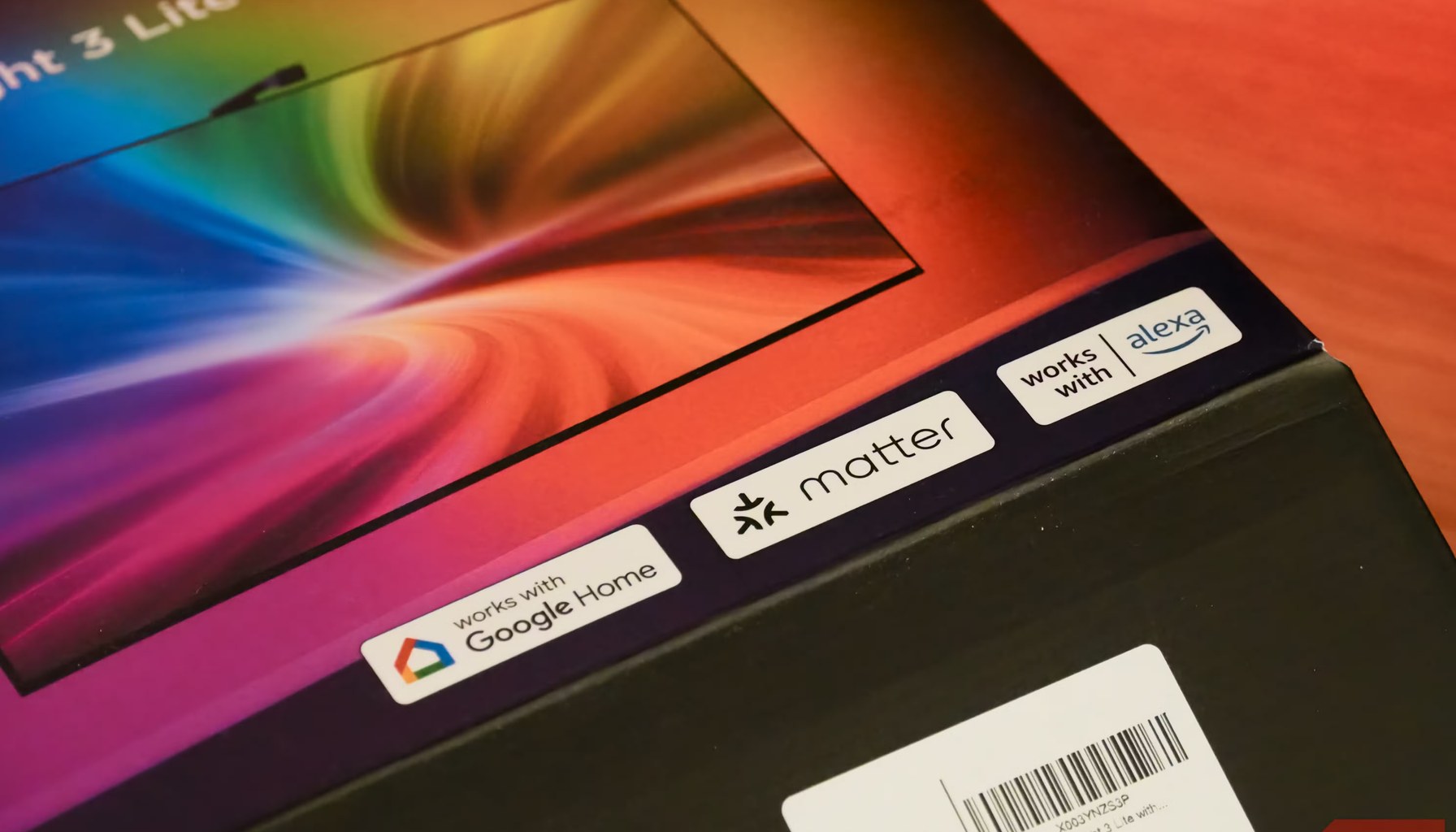
Image / makeuseof.com
The standard is not a guarantee that every gadget will be useful, but it can reduce platform lock-in and the cost of buying devices that end up unused.
Buy Matter-compatible devices as the default for new smart-home purchases. The catch is that Matter support does not turn a random gadget into something you need. It simply gives you a better chance of using that gadget within a flexible setup instead of leaving it stranded in a single app or ecosystem.
Matter is an open-source smart-home connectivity standard designed to let supported devices work across many smart-home ecosystems. For shoppers, that makes the Matter logo on the box more valuable than a long list of flashy features that may only work with one brand’s platform.
The real cost of a smart home is not only the price of the bulb, plug, sensor, or speaker. It is the money tied up in gear that cannot connect with the rest of your setup, requires another app, or loses its usefulness when you change phones, voice assistants, or preferred smart-home platform.
That is how people end up with a drawer or basement box full of abandoned smart-home hardware. A smart bulb bought on impulse may be cheap, but it is still wasted money if it never gets put on a schedule, used for its color controls, or integrated into a routine that solves an actual problem.
Matter does not fix bad buying decisions. A connected device still needs a clear job. Smart lighting can make sense for schedules, accessibility, security routines, or lighting scenes. A sensor can make sense if it triggers something useful. Buying another connected gadget because it has an app remains a fast route to clutter.
The practical advantage of Matter is that it preserves options. If a household starts with one smart-home ecosystem and later prefers another, supported Matter devices should offer more flexibility than one-off products built around a single proprietary system.
There is uncertainty here. Matter compatibility is not proof that every product will deliver the same experience across every smart-home setup, and shoppers should still confirm that a device supports the platform and functions they plan to use. The available evidence also does not establish a universal price premium for Matter devices or prove that every non-Matter gadget is obsolete.
Still, compatibility should now be a baseline shopping filter. A device that works with more than one ecosystem has a better chance of surviving changes in your home than a product that only works through one company’s app.
For most people building a smart home slowly, the sensible order is simple: decide what problem the device solves, check for Matter support, and skip random add-ons that will not fit into a broader setup.
- This is what your smart home needs, not another random gadgetmakeuseof.com / Mainstream / Published JUL 16, 2026 / Accessed JUL 17, 2026