Octopus Overhead Robot Boosts Warehouse Throughput
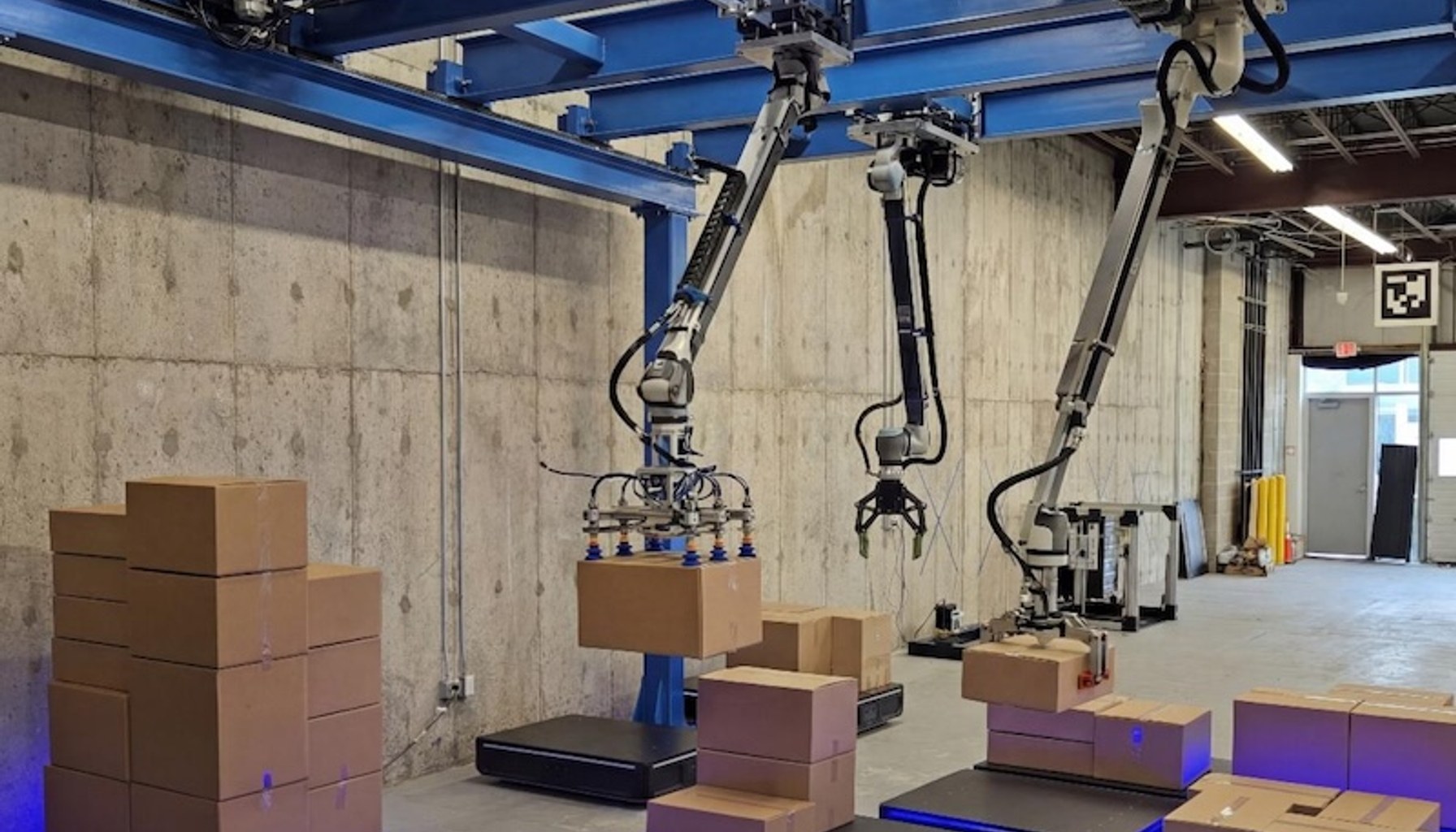
Logic's ceiling-mounted Octopus promises instant throughput uplift in warehouses.
Logic, a longtime player in autonomous, data-driven logistics, rolled out its Octopus system—a high-speed, multi-arm overhead robot designed to replace traditional floor-bound pick zones with a ceiling-mounted picking cell. The company contends the Octopus, paired with Logic Pallets, can turn every loading zone into a compact, smart automation cell, enabling goods-to-robot handling without reconfiguring the entire warehouse layout. In practical terms, that means fewer forklifts weaving through aisles and more arms reaching down to grab the right case on demand, all while staying safely suspended above the floor.
The core idea is simple: suspend the action above the workflow, not in front of it. By lofting the manipulation and gripping functions above the line, Logic aims to reduce chasing and wait times that often bottleneck order-picking in high-velocity zones. The Octopus is described as an autonomous, ceiling-mounted system that can operate with multiple arms in a single overhead cradle, working in concert with Logic Pallets to shuttle goods into the next step of the process—whether that’s consolidation, packing, or fulfillment for e-commerce channels. The design targets facilities that struggle with floor-space constraints or those saddled with aging, static picking fixtures that don’t adapt well to rising SKUs and batch sizes.
From an operations standpoint, the marquee claim is throughput gains without major floor remodeling. Producers confirm a shift from static, hard-mounted pick stations to a ceiling-first workflow, with the robot’s lofted reach reducing dwell times at the loading zone and enabling faster handoffs to conveyors and sorters. The architecture is meant to be modular: you add Octopus modules as throughput climbs or SKU variety expands, rather than tearing out the entire pick footprint. Floor supervisors note the potential for shorter cycle times in standard-case handling when the robot’s multi-arm coordination avoids the typical contention seen in busy pick zones.
There are, of course, caveats and practical realities. First, integration is not plug-and-play. The ceiling-mounted concept requires robust structural support, precise alignment with pallet-handling stations, and reliable power and data connectivity to the central WMS/ERP stack. That combination translates into upfront work—engineering reviews, safety interlocks, and training for the on-site teams who will commission and oversee the cell. Second, not every order mix is a perfect match for an overhead multi-arm system. High-m variability in case sizes or irregular palletization can dampen gains, so operators must align SKU profiles with the robot’s gripping, perception, and motion planning capabilities. Third, ongoing maintenance becomes a new line item. While the hardware reduces ground-based maintenance in many zones, it adds complexity at the ceiling that must be addressed by trained technicians and preventive-maintenance routines.
Two critical practitioner insights emerge for floor teams weighing Octopus adoption. One, ceiling integration is a true constraint, not a sidebar. Warehouse roofs, crane rails, electrical feeds, and seismic or fire-suppression clearances all influence whether a facility can host the system without extensive retrofits. Second, human labor remains essential for exception handling and the abnormal. Operators will still intervene for mispicks, returns, and non-standard items; the Octopus accelerates the bulk of routine handling but cannot eliminate the need for human judgment in sporadic scenarios or SKU changes that require quick reprogramming.
In short, Logic’s Octopus promises a new way to squeeze throughput from existing spaces by elevating the automation footprint above the floor. The real-world payoff, however, will hinge on meticulous integration, SKU compatibility, and disciplined training. As deployment data begin to surface, CFOs and plant managers will be watching not just the headline throughput gains, but the total cost of ownership—training hours, ceiling-work, and the cadence of maintenance—that will ultimately determine the payback period for this wall-free, overhead automation play.
- Logic introduces ‘Octopus’ overhead multi-arm robot to boost warehouse throughputroboticsandautomationnews.com / Source role not classified / Published APR 08, 2026 / Accessed APR 08, 2026