Precision on rails: Robots gain speed with positioning
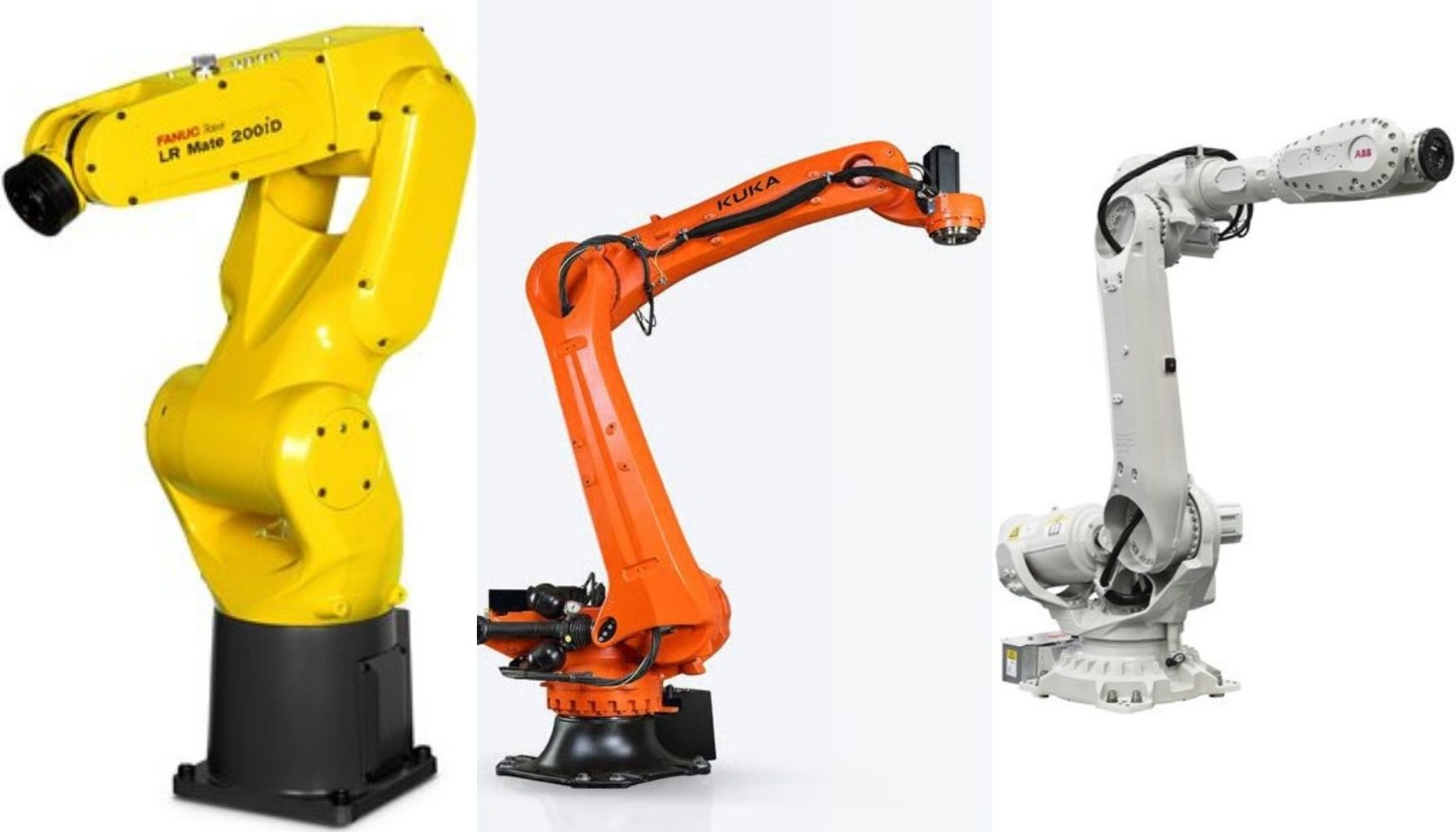
Image / The Robot Report
Seventh-axis mobility unlocks fast deployment and bigger reach.
Robotics experts are not just chasing dexterity anymore, and they are building a better waiter for the robot's meal. By pairing dexterous arms from players like FANUC, KUKA, and ABB with dedicated mechanical positioning (linear transfer systems, rotary index tables, and seventh-axis mobility), manufacturers tilt the odds toward real, measurable gains in complex assembly work. The image in motion behind this shift features the FANUC LR Mate 200 iD, the KUKA KR QUANTEC, and ABB’s IRB 6700, each a capable toolmaker whose reach is magnified when mounted on guided rails or tables. The result is not a miracle cure but a more predictable workflow for high mix, high complexity tasks.
Positioning is the silent enabler of robot capability. A robot’s reach and speed are only as good as the mechanism that places it where the task happens. Without a smart positioning layer, even the most dexterous arm risks gathering tasks into a bottleneck as it must pivot and reposition around a large assembly. Linear transfer systems push and pull along a track, letting a robot slide through a sequence of stations with fluid continuity. Rotary index tables embed rapid rotational motion into the payload path, enabling quick orientation changes without a disjointed handoff. Together, they extend the robot’s working envelope and reduce dead time between operations, a critical win in aerospace, defense, or any program that requires multi-step assembly in tight spaces.
The business case is real, even if the numbers vary by line and product. Deployment data shows that when dexterous robots ride on mechanical positioning, cycle times compress and throughput climbs, especially for repetitive subassemblies that demand precise alignment and repeatable placement. The case is not simply about speed; it is about reliability and consistency across a large, complex build. The seventh axis does not replace human expertise. It gives the experts a more forgiving stage on which to operate. Operators and engineers get a clearer, less interrupted path to finishing tasks, while the system amortizes the responsibility for repositioning across the automation stack.
Integrating these systems demands attention to control architecture, calibration, and tooling. The robot controller must talk cleanly to the positioning hardware, with synchronized telltales for speed, stop positions, and safety interlocks. Tooling must accommodate live alignment checks and quick-change interfaces to handle product variation without manual rework. This integration is where ROI starts to show up, because misalignment or poor calibration can turn a potential throughput gain into added downtime and rework.
For large, high-variance assemblies, the approach also changes labor economics. It tends to augment craft labor and inspectors by removing the most taxing and repetitive positioning tasks from their plates, letting skilled trades focus on setup, verification, and quality gates rather than tedious repositioning. In practice, that means line crews, inspectors, and technicians handle installation, calibration, and process validation while the automation handles the dragging, turning, and precise seating of parts. The result is a more predictable line with fewer human-induced delays, but one that requires disciplined maintenance, scheduled calibration, and a clear plan for upgrading rails, tables, and controls as manufacturing needs evolve.
What to watch next? First, cycle times and throughput will keep improving only if the rail and table systems stay aligned with the robot’s control loop. Second, integration friction will recede as standard interfaces and safety interlocks mature, but early projects should budget for integration engineering and site-specific tooling. Third, reliability will hinge on proper maintenance of the mechanical positioning hardware; small misalignments today become bigger problems tomorrow if left unattended. Finally, the question of value rests on proper KPI tracking: measure cycle time, throughput, line uptime, and the delta in labor efficiency to confirm that the combination of dexterity with positioning is delivering the promised operational lift.
In this era of “plug-and-play” productivity, the reality is that speed comes from two hands and a well-timed push on rails. When dexterity meets mechanical positioning, the factory floor gains not just a faster robot, but a more capable workflow.
Sources
- Why you should combine robot dexterity with mechanical positioning for complex assembly operationsThe Robot Report / Trade / Published JUL 02, 2026 / Accessed JUL 03, 2026