Cables simplify robot wiring across automation cells
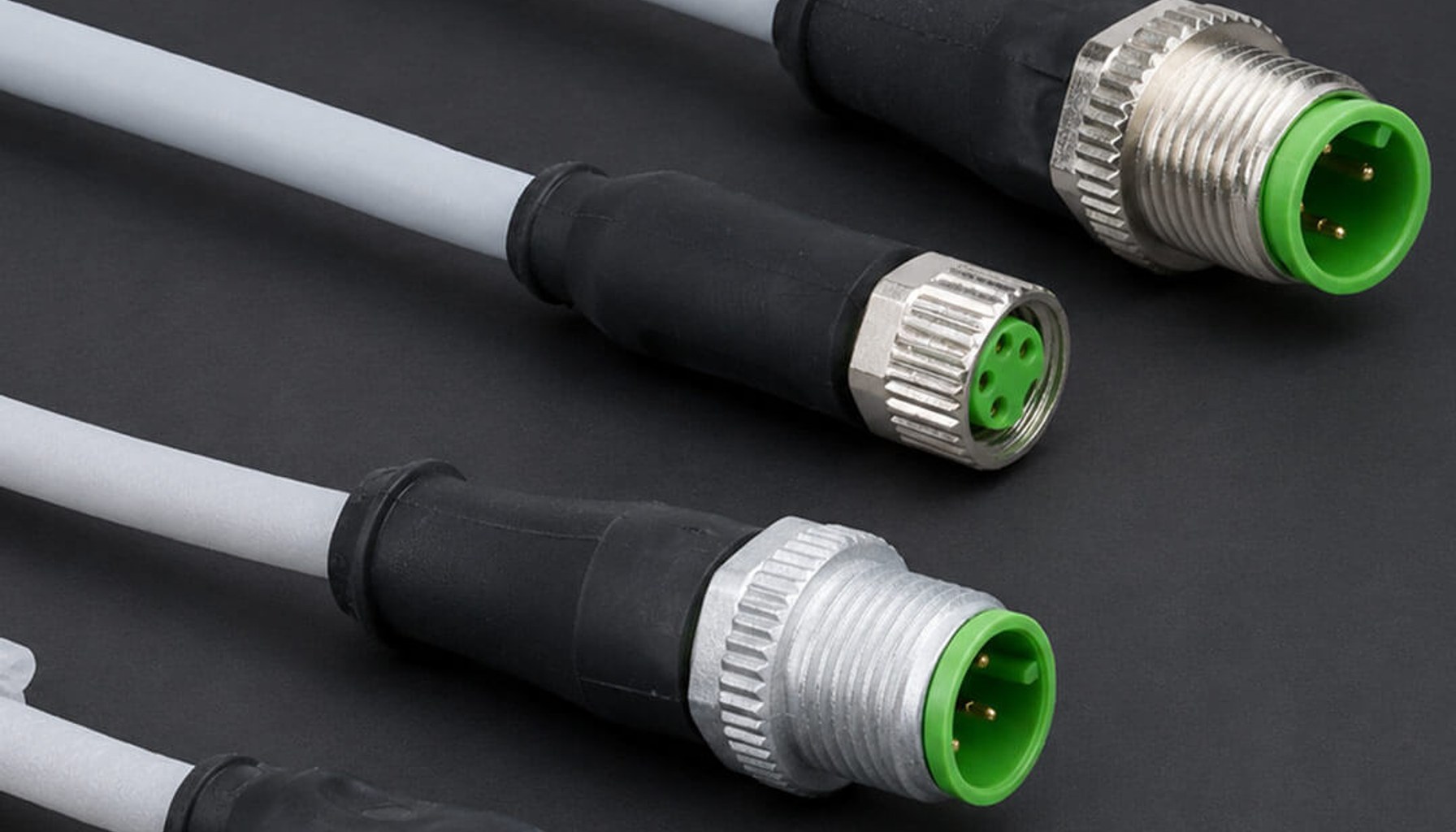
Image / Automation Magazine
New sensor cables slash wiring errors and speed up line starts.
AutomationDirect has expanded its catalog with Murrelektronik M8 and M12 A-coded sensor, signal, and drag chain cables, a move aimed at reducing the headaches of connecting devices that use different connector sizes while preserving a single, standard 4-pin wiring scheme. The practical impact is clear on the shop floor: less rewiring, shorter commissioning, and fewer wiring mistakes that slow lines before they even run at full speed. Deployment data shows manufacturers can move from design to productive operation quicker when these A-coded cables are swapped in for mixed-connectivity harnesses, a reality that plant managers will notice in the first run of a new cell.
The cables are pitched for applications across automotive manufacturing, food and beverage washdown environments, material handling systems, and packaging and assembly equipment. In each case, the core advantage is straightforward: simplify the electrical interface without forcing a complete control-system rewrite. By maintaining a uniform 4-pin configuration, engineers can mix devices from different suppliers or legacy components with newer sensors without the tedious rewiring that slows projects and invites error. That simplicity matters when lines are squeezed for uptime and when short changeovers create expensive downtime.
A notable feature is the drag chain and robotic-capability variants, which come with rugged PUR jackets designed to withstand the fatigue of continuous motion. The jackets are built to tolerate repeated flexing, tight bend radii, and torsional stress caused by robotic movement. In practice, this means fewer interruptions due to cable wear in multi-axis cells, where cables twist and bend as robots reach across pallets, ovens, or conveyors. For plant engineers, the result is more reliable signal transmission and a cleaner, more maintainable cable path around moving machinery.
The case for integration is practical, not promotional. Lead times, field wiring, and on-site debugging are the kinds of realities that define automation projects, and these cables are positioned to shrink those frictions. The design supports moving machine components and multi-axis automation, so crews can route a single, robust solution through robotic cells without reworking harnesses or pulling separate cable families for each axis. That translates into tangible throughput benefits: faster line starts, fewer wiring faults during handover to production, and more predictable performance in environments where washdown or harsh handling would otherwise stress fragile cable assemblies.
From an operations perspective, this is a question of ROI and reality, not hype. The cables address a common constraint in modernization efforts: the need to connect devices that arrive with different connector footprints while still delivering reliable, noise-resistant signals. The integration requirement is straightforward: verify that M8 or M12 devices in the new cell can fit the A-coded standard and that the drag-chain version you select can share space with existing harness routing. The payoff is less time spent on wire reconfigurations and fewer troubleshooting sessions after start-up, with the potential for fewer service calls and unscheduled maintenance.
In field practice, skilled trades stay central to implementation, but these cables shift some tasks away from bespoke harnessing toward standardized, plug-and-play-style connections. Electricians and technicians still lay out paths, attach strain relief, and ensure grounding, but the need to re-engineer connector interfaces across devices is reduced. Looking ahead, operators will want to track performance data in their next line expansion or retrofit to confirm gains in reliability and throughput and to see how the drag-chain variants hold up under long shifts and rapid changeovers.
The industry will watch for follow-up deployment data and real-world case studies that quantify time-to-first-run improvements and downtime reductions. For now, the expectation is clear: standardizing on M8 and M12 A-coded cables can streamline automation, cut installation friction, and improve line reliability in multi-axis, robotic environments.
- Murrelektronik M8 and M12 A-coded sensor, signal and drag chain cables added by AutomationDirectAutomation Magazine / Trade / Published JUL 02, 2026 / Accessed JUL 02, 2026