Prime Day slashes smart home gear up to 40 percent
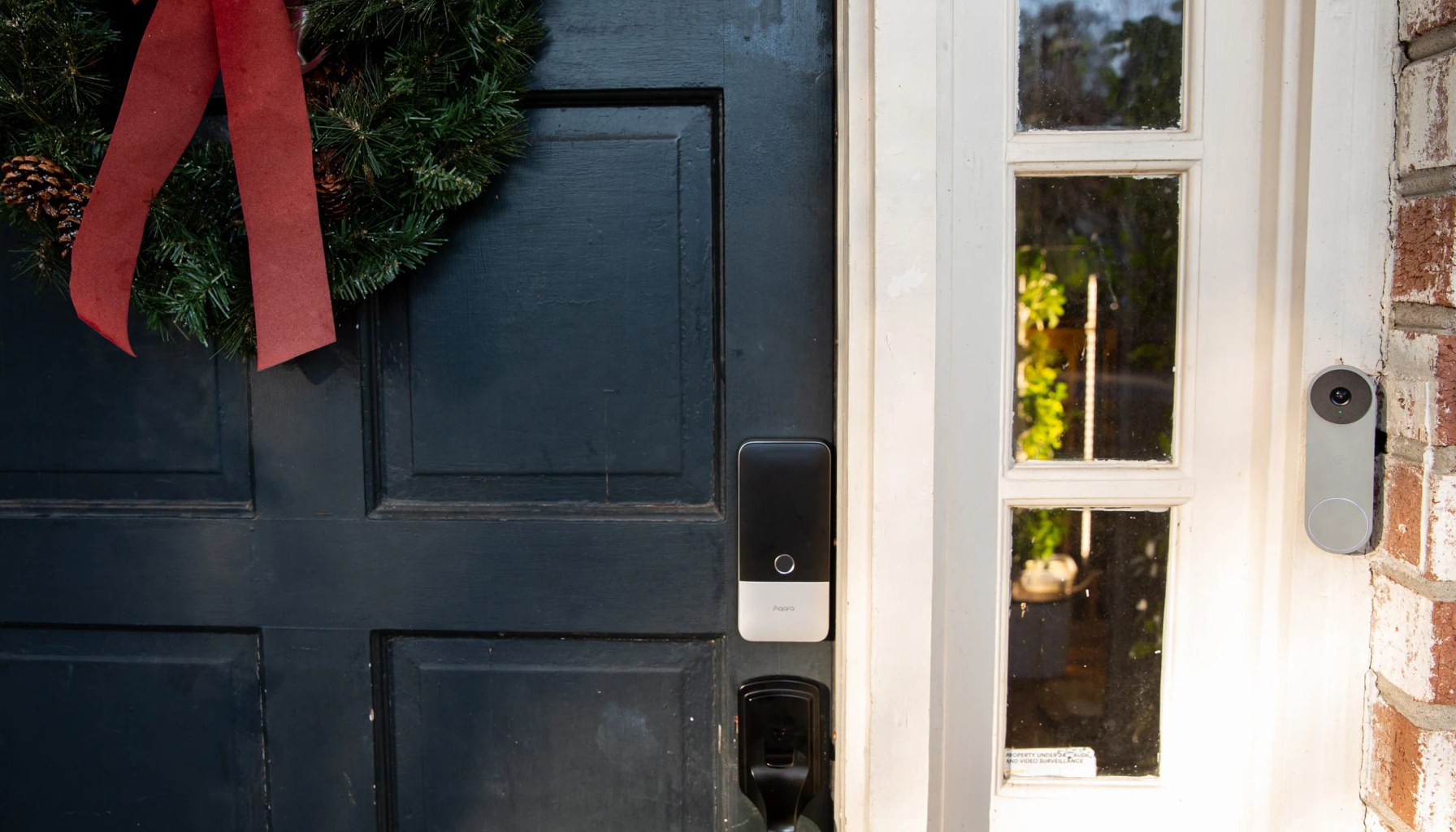
Image / The Verge Smart Home
Routers and doorbells are suddenly affordable on Prime Day.
The Verge’s roundup shows that this year’s Prime Day isn’t just about flashy gadgets; it’s a discount window for the home network itself and the eyes watching your front door. At the heart of a reliable smart home is a strong Wi-Fi backbone, and the deals reflect that. Amazon’s eero mesh systems are on sale, including the flagship eero Pro 7 dropping to $549.99 from $699.99, a meaningful cut for households chasing faster speeds and better coverage. If you don’t need a top-tier setup, the eero Pro 6E is available as a 3-pack for $329, a solid value for larger layouts that still want Wi-Fi 6E support.
For Google smart home fans, the Nest Wifi Pro with 6E is listed at roughly a 40 percent discount for a three pack, bringing the price down to about $249.99 from $399.99. The devices emphasize more than raw speed; Matter and Thread compatibility means you can wire up a broader mix of sensors, cameras, and assistants without feeling boxed in by a single brand. In practice, that interoperability matters more as your home adds additional voice assistants and sensors, letting you aggregate devices that previously required separate apps.
The other big lane is smarter doorbells and cameras, where the deals pivot from wholesale speeds to better visibility. Ecobee is discounting its Smart Doorbell Camera to $119, down from $159, with the promise of free person detection and compatibility across smart home ecosystems. For budget-conscious doorbell shoppers, Ring is playing hard with price cuts across its newer doorbell cameras: the Ring Wired 2K is down to $39.99, and the Ring Battery 2K is $49.99. These aren’t top-tier Pro 4K models, but they slot into most entryways where video is more of a deterrent than a feature film.
The pricing spread is notable: the deals are broadening access to the necessary infrastructure (mesh networks) while driving down the cost of the most visible endpoints (doorbells and cameras). The real takeaway for a comparison shopper is the total cost of ownership. The price you pay upfront is meaningful, but many of these devices rely on cloud services for features like video storage, smart alerts, and advanced detection. The Ecobee option, with its “free person detection” angle, hints at a model that can reduce ongoing costs, but others in this space often include subscription tiers for ongoing video storage or advanced analytics. Buyers should run the math across a multi-device setup, including the potential monthly fees for cloud features.
In terms of practicality and risk, there are a few things to watch. First, this Prime Day is highlighting Wi-Fi 6E readiness and Matter-thread compatibility as growing standards. If your goal is future-proofing, prioritizing a strong mesh base and devices that speak the same language makes upgrading less painful down the line. Second, ecosystem lock-in remains a real consideration. Even as you mix in Nest and Ring devices, the way you control them will still be mediated by apps and cloud services, raising questions about data flow and privacy. Third, installation complexity can vary. A multi-pack mesh solution is appealing for large homes, but it can take time to optimize coverage and ensure that all devices switch seamlessly between nodes. Finally, it’s smart to separate the signal from the speaker: your doorbell and camera purchases can dramatically increase your home’s data footprint, making attention to privacy controls and storage policies essential.
Prime Day offers a useful chance to refresh the network and upgrade the entryway cameras in one sweep, but buyers should do the arithmetic on total cost, consider the privacy implications, and stay mindful of how much of your future smart home you want to tether to cloud services and ecosystems.
- These are the best smart home deals this Prime DayThe Verge Smart Home / Mainstream / Published JUN 23, 2026 / Accessed JUN 23, 2026