RFID Quietly Reframes Robotic Asset Management
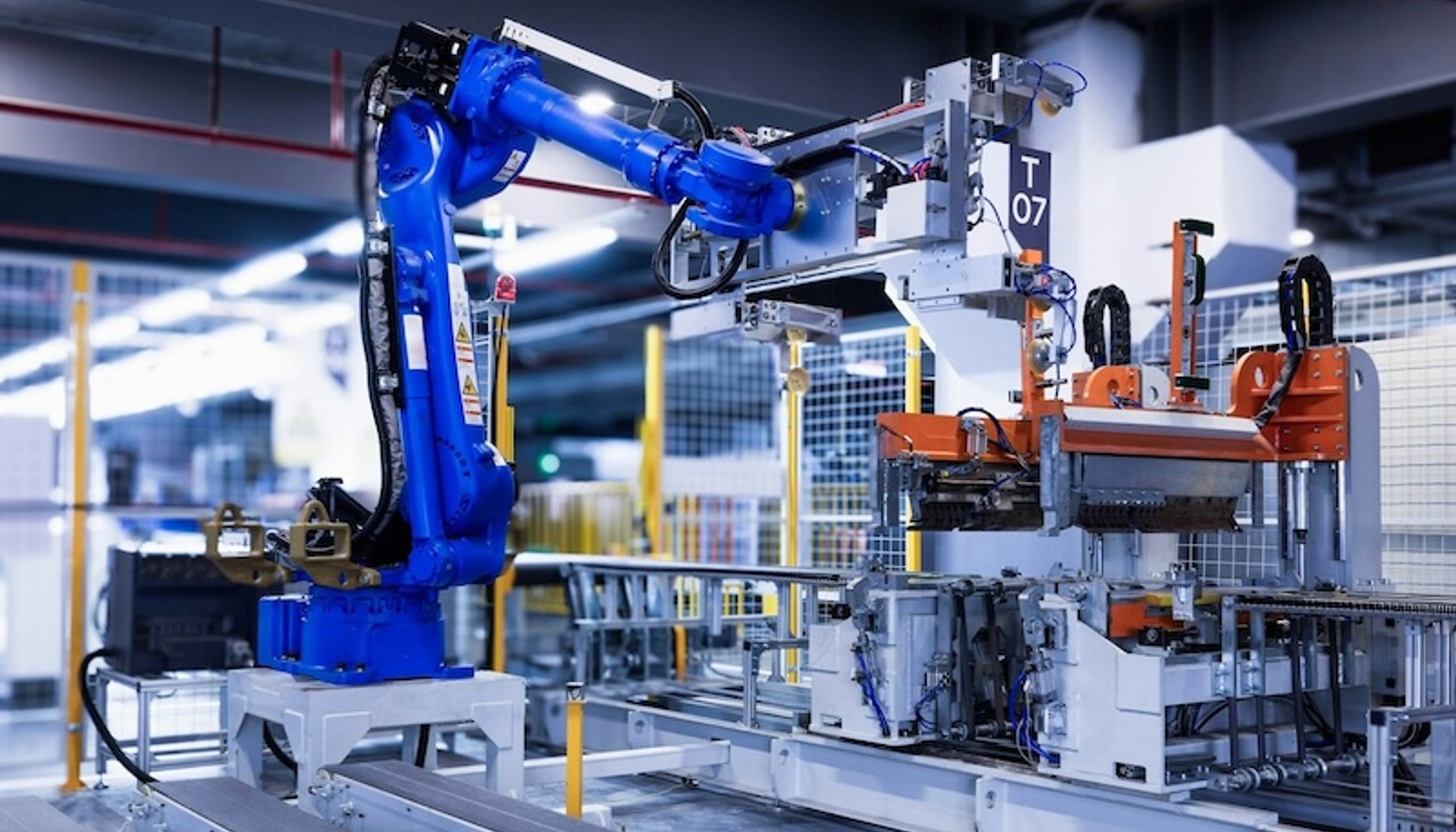
RFID tags finally put every robot asset in real time.
Factories are waking up to a truth they’ve known in pockets of the plant for years: if you can’t see your assets, you’ll burn cash trying to manage them. The RFID wave is not a gimmick but a discipline shift—one that turns chaos on the shop floor into a living ledger. Production data shows that real-time visibility is not just convenient; it’s a prerequisite for the kind of reliability that makes automated lines hum rather than groan.
The strategy is simple: tag everything that moves or wears in the robotics ecosystem—multi-axis arms, AGVs, grippers, tools, and even spare parts—and feed that data into a centralized asset-management loop. Integration teams report that the payoff isn’t in flashy demos but in the hard, repeatable improvements to uptime and maintenance timing. The result is a more predictable cadence: fewer mislaid tools, quicker inventory checks, and better scheduling of proactive maintenance around actual device health rather than a best-guess calendar.
Candid deployments reveal how RFID unlocks a broader capability set. Real-time asset location and status feed directly into MES and ERP signals, allowing plant managers to reframe maintenance and line-changeover planning around live conditions rather than static rosters. Operational metrics show that you can shift from ad hoc troubleshooting to data-driven problem diagnosis. In practice, that means fewer unknowns on the line, less emergency downtime, and a system that scales with a growing fleet of robots and support equipment.
But this isn’t plug-and-play magic. Integration teams report that success hinges on a considered approach to floor footprint, power provisioning, and staff training. RFID readers and antennas must be positioned to cover the critical zones without creating blind spots or interference with machine operation. Floor supervisors confirm that establishing a reliable read zone around welding cells, painting booths, or high-velocity transfer points is as much about industrial hygiene as it is about asset tracing. And the training isn’t only for technicians: operators and line leaders must understand how RFID data flows into daily routines, so they can trust the system and interpret alerts correctly.
One area where the story remains nuanced is the human work that still must happen. While RFID dramatically reduces the time spent locating assets and confirms asset health at a glance, it does not eliminate hands-on tasks. Technicians still calibrate devices, replace failing components, and validate that the software rules governing lifecycle events align with physical realities on the floor. Integration teams report that the most successful deployments keep human-in-the-loop checks at the right moments—precisely where data signals indicate a potential fault or a near-term maintenance window.
Vendors are often candid about what’s not included in the bright slides. Hidden costs creep in as facilities build the data backbone required to scale RFID: extended IT integration, cybersecurity hardening, ongoing tag and reader maintenance, and the cost of training a broader workforce to interpret and act on asset intelligence. ROI documents reveal that while the payback can be compelling, you must budget for data governance, tag durability in harsh environments, and the ongoing need to refresh readers and antennas as lines evolve.
Looking ahead, industry observers expect RFID to mature from a tool for visibility into a core velocity accelerator for the robotics stack. The next frontier is lifecycle integration: tying RFID data to predictive maintenance, spare-parts optimization, and actionable insights across multiple sites. If the current pattern holds, the lesson is clear—production data shows real, measurable gains when asset visibility is treated as a strategic capability, not a convenience.
In the end, the verdict is practical and unadorned: RFID is changing how factories manage robotic assets, one real-time read at a time.
- The strategic value of RFID for asset management in industrial roboticsroboticsandautomationnews.com / Source role not classified / Published APR 09, 2026 / Accessed APR 10, 2026