SVT Debuts Softbot Intelligence for Real-Time AI Data
SVT Robotics just turned live shop-floor data into AI fuel.
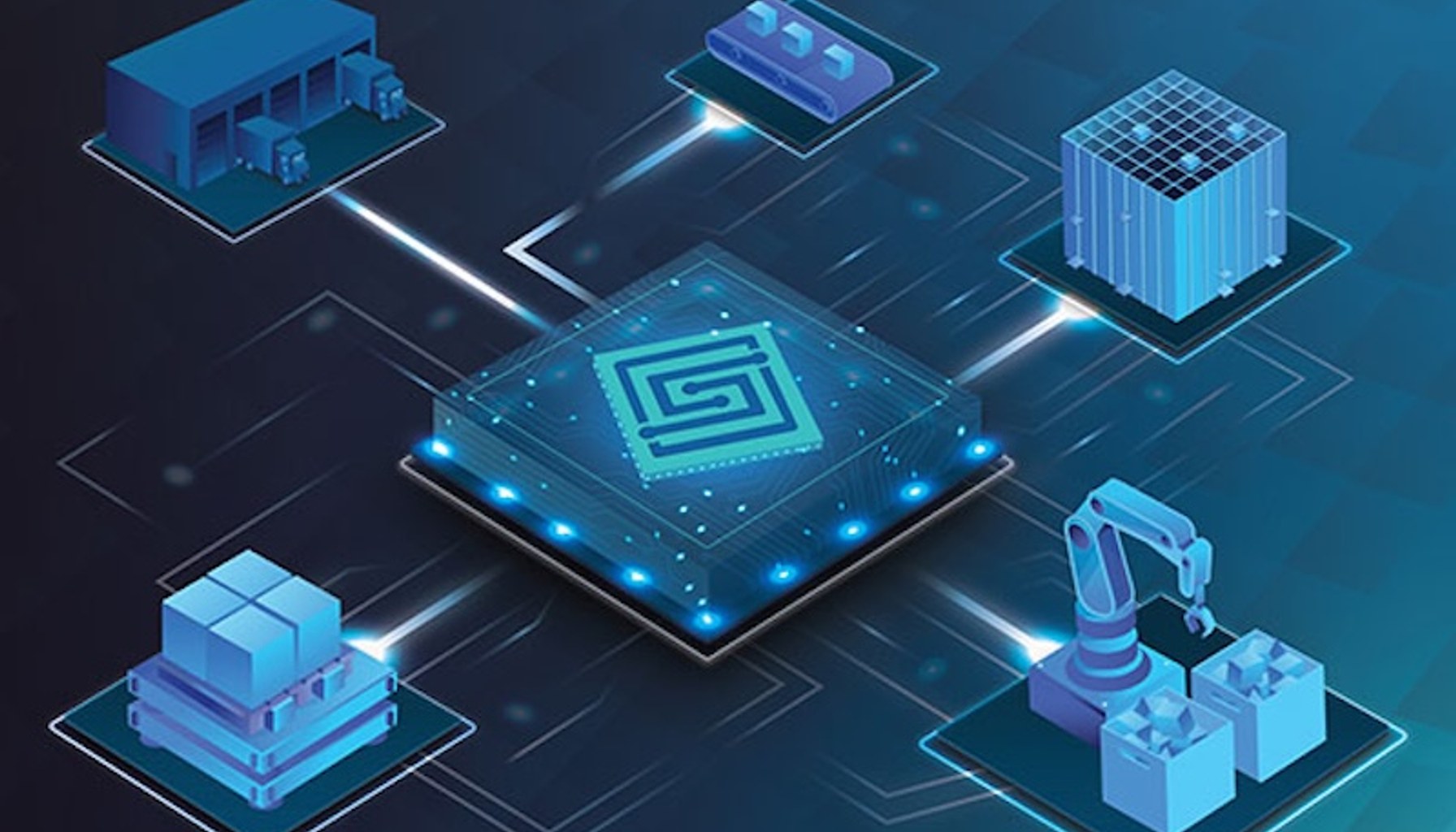
In a move the OT crowd has long awaited, SVT unveiled Softbot Intelligence on April 10, 2026. Built on the company’s Softbot Platform, the new data capability promises a high-fidelity, real-time data backbone that captures and contextualizes execution data as it flows through a mix of robots, PLCs, MES, and other automation layers. The aim is simple in concept: let AI see what actually happens on the line, not what vendors want you to believe happened in a marketing demo.
The beauty, in theory, is interoperability without a data doghouse. Factories today are a tangle of equipment from multiple vendors, each speaking its own dialect of telemetry. Softbot Intelligence is pitched as a unifying lens—an engine that normalizes, time-stamps, and correlates events from disparate systems so operators and engineers can spot bottlenecks, quality excursions, and maintenance needs in seconds rather than hours. If the data backbone is robust, the platform could finally give AI-based optimization the live ammunition it needs: context, lineage, and trust.
But what does this mean for the factory floor in practical terms? The release centers on real-time visibility rather than a single magic fix. In a world where a line can incorporate legacy equipment next to cutting-edge cobots, a data fabric that travels with the process matters more than a flashy interface. The Softbot Intelligence promise is not just dashboards; it’s the ability to feed AI models with consistent, feed-forward data streams that reflect actual conditions—outliers, process drift, and the operational realities of multi-vendor integration.
From an economic standpoint, the company’s press materials stop short of publishing deployment metrics or ROI figures. That absence matters for plant leaders weighing capex decisions. Industry observers, however, stress that the true payoff hinges on four interlocking factors: data governance, OT-IT alignment, extensible interoperability, and disciplined change management. Without a universal data model and a clear ownership plan for who curates and stamps data quality, the promised AI uplift risks becoming a collection of isolated improvements rather than systemic gains.
For a capital-intensive deployment, plant leaders should size up several practical constraints. First, integration often requires edge compute nodes or a compact data center footprint near the line, plus reliable power and cooling. Second, operators and maintenance staff will need training hours to craft and interpret AI-enabled dashboards, set alert thresholds, and validate model recommendations. Third, the vendor ecosystem matters: how smoothly Softbot Intelligence talks to legacy PLCs, proprietary HMI software, and third-party quality systems will largely determine the speed and durability of gains. Finally, the total cost of ownership includes ongoing licensing, periodic model refreshes, and routine software upgrades—the kind of recurring expenditure that CFOs dread if not properly scoped from the outset.
The upside is tangible when the data engine is used to close gaps between planning and execution. In best-case scenarios, a high-fidelity data backbone enables faster root-cause analysis, tighter feedback loops for process improvement, and more reliable predictive maintenance. That translates into fewer unexpected stops, more stable throughput, and better scrap control on mixed-technology lines. The core question is whether Softbot Intelligence will translate theory into consistent, measurable improvements across diverse operations or remain a powerful analytics layer that never quite reaches full deployment maturity.
Looking ahead, the industry’s trajectory suggests more vendors will push toward data fabrics that stitch together OT and IT with real-time context. Softbot Intelligence arrives at a critical moment when manufacturers are finally demanding not just data access, but actionable, verifiable intelligence drawn from every corner of the plant floor. If SVT can deliver on its promise of consistent, high-quality data streams across multi-vendor environments, the platform could become a cornerstone for next-gen automation—where AI decisions are grounded in the truth of actual run-time performance, not a vendor’s slide deck.
- SVT Robotics launches ‘Softbot Intelligence’ to power AI with real-time automation dataroboticsandautomationnews.com / Source role not classified / Published APR 10, 2026 / Accessed APR 11, 2026