Tennant Unveils X16 Sweep for Autonomous Cleaning
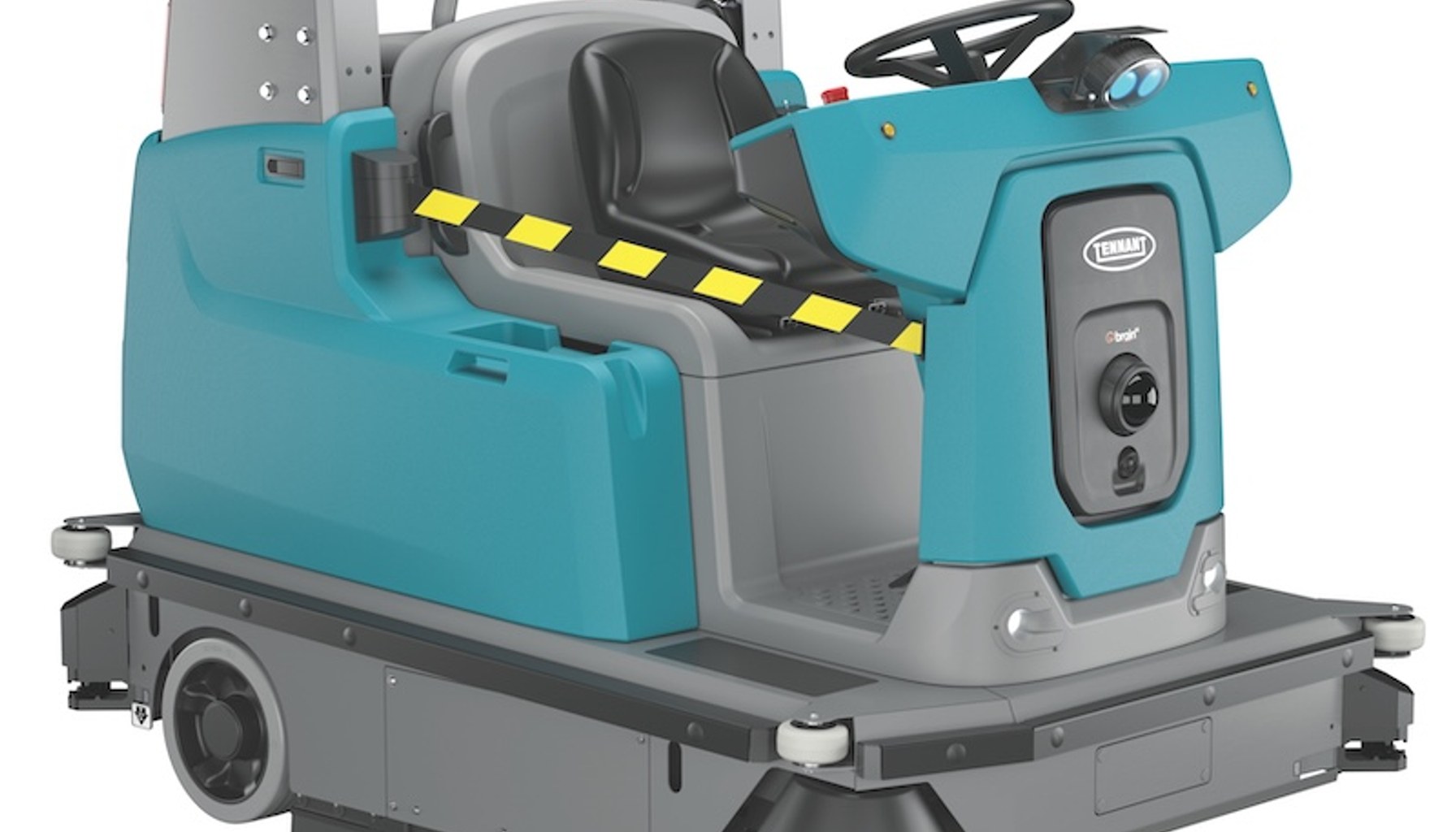
Tennant’s X16 Sweep goes autonomous, promising round-the-clock floors.
Tennant Company has rolled out the X16 Sweep, its first autonomous robotic sweeper designed for the kind of complex industrial settings that keep warehouses and light manufacturing humming. The company says the machine is built to meet rising expectations for automation in facilities that juggle tight aisles, loading docks, and high debris loads, delivering consistent, repeatable floor-cleaning coverage you can actually rely on, day after day. The launch, announced on April 10, 2026, positions Tennant squarely in a market where fleets are extending beyond simple demos toward deployments that justify capital investments with measurable floor cleanliness and labor reallocation.
Industry observers note that autonomous cleaning is now measuring itself against the same yardsticks as other automated cells: reliability, predictable coverage, and minimal intervention during busy shifts. The X16 is pitched as a solution for warehousing, logistics centers, and light manufacturing environments where human workers still shoulder the bulk of repetitive cleaning tasks, yet where dust, gum, and debris accumulate rapidly across transit routes and work cells. The pitch is straightforward: you get around-the-clock cleaning without operator fatigue, and with fewer manual touchpoints that slow lines when shifts wind down.
From a practitioner standpoint, the value hinges on a clean handoff between human and machine and on how well the robot integrates into an existing facility ecosystem. Integration teams will be watching for floor-space requirements—enough docking or charging real estate to avoid blocking critical routes—power needs for continuous operation, and the network or control interfaces that let the sweeper share status with facility management systems. While the rollout specifics aren’t laid out in the launch briefing, the industry pattern is clear: autonomous cleaners in real-world plants demand not just a robot, but a deployable plan that covers charging, software updates, and on-site training for operators and supervisors.
The ROI question remains highly site-specific. Production data shows that savings from automated cleaning accrue from labor reallocation, reduced rework from cleaner floors, and the ability to run during overnight windows when human resources are scarce. But the payback period will hinge on how aggressively a site can repurpose shifts, how much debris a facility generates, and how smoothly the machine can navigate high-traffic corridors without introducing new bottlenecks. Vendors often publish optimistic payback for automated assets, yet ROI still depends on the facility’s utilization and the reliability of the autonomous system under varying conditions—factors that tend to dominate the math in early deployments.
What to watch next, as facilities begin to test the X16 in earnest: first, consistent coverage and reliability across typical debris profiles and floor finishes; second, the docking and charging cadence—whether the fleet can sustain 24/7 cleaning without manual intervention; third, the hidden costs that often reveal themselves after the demo period, such as battery lifecycle, spare parts, software updates, and service contracts. Importantly, even with an autonomous sweeper, human workers aren’t obsolete. In high-traffic zones, or on delicate floor surfaces, frontline staff remain essential for exception handling, routine maintenance, and monitoring to ensure the robot’s routes don’t conflict with ongoing operations.
If the X16 delivers on its promise, the practical payoff could resemble the industry’s best-case stories: steady, reliable floor cleanliness around the clock and a measurable reduction in man-hours spent on routine sweeping. The real test will be how clean the facility can keep floors during peak load and after long shifts—without sacrificing safety or throughput—and whether the deployment translates into a demonstrable, near-term payback for the shop floor.
- Tennant unveils new industrial sweeping machine for ‘autonomous, round-the-clock’ workroboticsandautomationnews.com / Source role not classified / Published APR 10, 2026 / Accessed APR 11, 2026