Weather Intelligence: The Missing Link in Automation
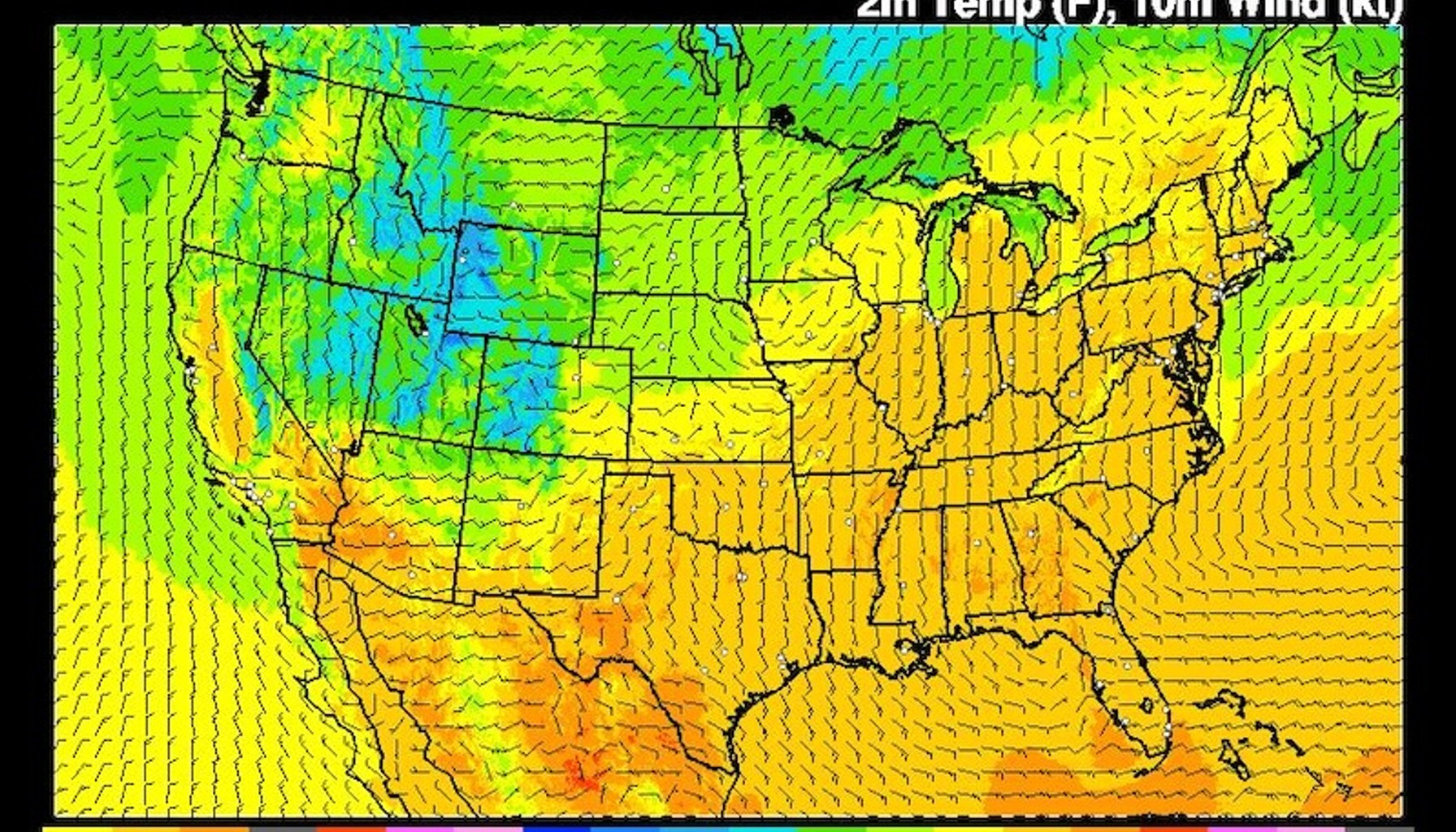
Weather data finally gives automation a predictable heartbeat.
Automation systems are built for precision, but they don’t exist in a vacuum. The hidden dependency in modern factories isn’t just vision systems or laser trackers—it’s the weather. A recent deep dive into why automation fails without weather intelligence shows that environmental conditions quietly tilt tolerances, shift sensor baselines, and inject variability that planners often misread as equipment fatigue or process drift. Production data shows that when weather inputs are treated as first-class data, the same cells that once paused for recalibration suddenly run with steadier cycle times and fewer surprises.
In the field, integration teams report that weather intelligence changes the game from “we can demo it” to “we can deploy it.” Sensors and ML models are tuned for stable environments, but factories are fickle: humidity blooms adhesives, temperature drifts can alter viscosity and torque, and even small wind gusts can affect open conveyors and outdoor loading zones. The consequence is a cascade: more sensor recalibration, more false positives, and more manual interventions on the floor. When operators begin to receive forecasts and live environmental feeds alongside machine data, they stop chasing random quirks and start chasing root causes.
Operational metrics show the payoff is in uptime and predictability, not flashy demonstrations. Integration teams report that weather-aware automation helps plan maintenance windows around forecasted heat surges or cold snaps, preventing last-minute shutdowns. Floor supervisors confirm that scheduling becomes more stable when the system can anticipate weather-induced slowdowns or material property shifts. This is not about a single innovation; it’s about reframing data pipelines to include environmental intelligence as a core feed, not an afterthought.
The shift comes with concrete practitioner insights. First, data reliability matters. Weather feeds must be timely, localized, and harmonized with plant-side sensors; stale or mismatched data yields the same variance we fought with yesterday. Second, edge versus cloud sits at the center of the architectural debate: quick-twitch decisions—like cooling cycles or spindle speeds—benefit from local processing, while long-horizon planning benefits from centralized models. Third, models must be resilient to drift. Weather isn’t just a single input; it’s a suite of conditions that interact with materials, equipment wear, and energy systems. Fourth, human tasks don’t disappear. Operators now monitor weather feeds and automate exceptions, but they also become the first line of defense when a data fault occurs or a forecast contradicts observed performance.
Hidden costs vendors gloss over become front-and-center with weather-aware deployments. Subscriptions for high-fidelity weather data, data integration work to align time stamps and units, and ongoing calibration of models all add up. Floor space and power requirements expand when edge devices and local gateways proliferate, and training hours shift from “learn the robot” to “interpret environmental signals and intervene when needed.” ROI documentation reveals that the value isn’t just faster cycles; it’s stability. When weather intelligence is integrated, lines run with fewer unplanned stops, and the cost of creeping variance becomes easier to manage.
ROI remains site-specific, but the trend is clear: weather intelligence is rapidly becoming a foundational layer for deployment-ready automation. Production data shows that without it, many systems never reach real deployment; with it, the gap between a slick demo and a living, breathing production cell narrows dramatically. As plants push toward higher utilization and lean operations, weather-aware control loops may well be the next standard—not a nice-to-have addon.
- Why Automation Systems Fail Without Weather Intelligenceroboticsandautomationnews.com / Source role not classified / Published APR 10, 2026 / Accessed APR 11, 2026