RFID Tracking Gives Robots Real-Time Clarity
By Maxine Shaw
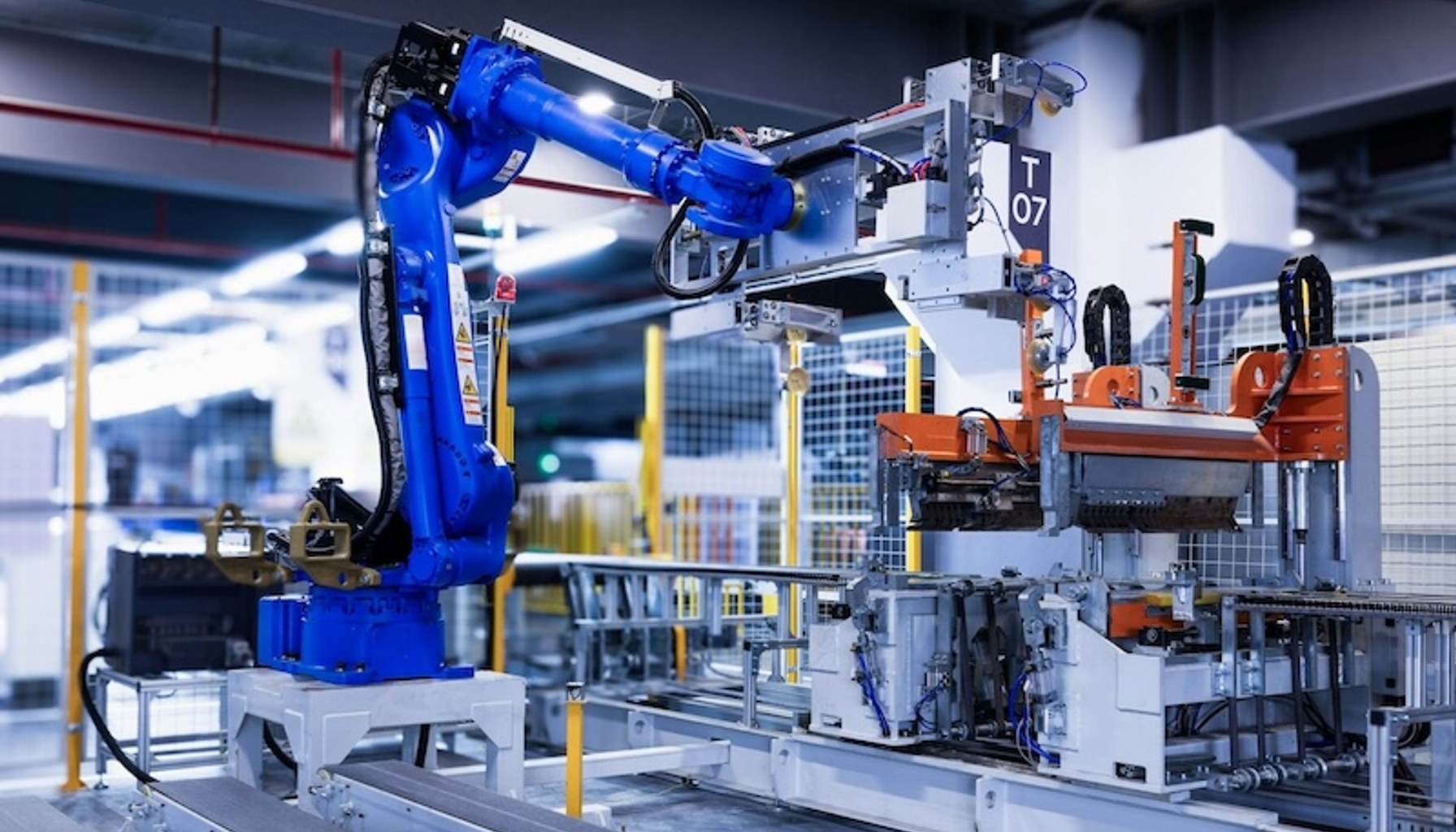
Image / roboticsandautomationnews.com
Factories finally know where their robots are, every second.
Production data shows that the strategic value of RFID for asset management in industrial robotics isn’t a nicety but a workflow disruptor. As factories deploy more multi-axis robotic arms and AGVs, the old habit of manual spot checks becomes a bottleneck—one that RFID tagging aims to erase. The story isn’t about a gimmick; it’s about visibility that changes how maintenance crews, line operators, and planners schedule work. The article published on April 9, 2026, frames RFID as a practical, deployable upgrade rather than a vaporware promise, emphasizing real-time location, status, and usage data fed into asset-management and manufacturing-execution ecosystems.
Integration teams report that RFID is finally crossing the chasm from pilot to deployment. Tags mounted on tooling, grippers, and robots travel with the assets through charging bays and work cells, while readers placed at key chokepoints stitch a live map of asset flow. Floor supervisors confirm that what used to be a two-hour search for a missing robot or a misplaced tool now takes seconds, enabling more predictable cycle times and smoother line balancing. In this context, RFID is less about inventory chasing and more about orchestrating a factory’s choreography—reducing the time assets spend idle and minimizing misplacements that derail automated work sequences.
Yet the story also arrives with nuance. Integration requires more than slapping a tag on a component. Floorspace for readers, reliable power delivery, and a network backbone capable of moving data to MES and ERP systems are foundational. The article notes that reader density and antenna placement must be engineered to overcome harsh factory environments, metal interference, and the wear-and-tear of daily production. It’s here that the project plan proves critical: RFID won’t deliver if readers sit behind enclosures or if the data lags the pace of the line.
Three practitioner insights emerge from the field observations behind the piece. First, integration is as much an organization issue as a technology one. Operators and maintenance personnel must be trained to interpret RFID dashboards, distinguish between nominal movement and unusual asset behavior, and respond with the right escalation. Second, RFID does not replace humans; it augments them. Tasks that still require skilled hands include programming complex robot routines, performing high-precision calibrations, and diagnosing non-routine equipment faults that a tag can’t foresee. Third, there are hidden costs vendors don’t always spell out upfront. Tag lifecycle costs, inventory management of tags, and the ongoing need to refresh readers or retrofit tag placements as lines change can creep into the budget if the project is treated as a one-off capex.
The article hints at broader implications beyond asset tracking. Real-time visibility feeds predictive maintenance loops and digital twins, allowing fleets of robots to be managed as an integrated system rather than a collection of isolated assets. This aligns with industry trends toward end-to-end asset lifecycle management, where RFID is a foundational enabler rather than a standalone gimmick. But for managers weighing the investment, the practical concerns are clear: the payback hinges on downtime costs averted and the degree to which RFID data translates into actionable scheduling and maintenance decisions.
What to watch next? Expect deeper integration with edge computing to filter noise and deliver actionable events without saturating networks. Expect tag technology to evolve toward greater durability in high-heat, dusty environments and closer alignment with standard industrial data models so MES, ERP, and maintenance systems speak a common language. The promise remains tangible: a plant where the robot fleet’s every move is visible, accountable, and optimizable in real time.
Sources
Newsletter
The Robotics Briefing
Weekly intelligence on automation, regulation, and investment trends - crafted for operators, researchers, and policy leaders.
No spam. Unsubscribe anytime. Read our privacy policy for details.