Robot vacuum mops still aren’t hands off
Robot vacuum-mops clean smarter, but they still demand real supervision. In six years of testing robot vacuums and mops, The Verge’s Rose Tuohy argues the best model is the one that reduces intervention, not the one with the flashiest spec sheet [The Verge](https://www.theverge.com/gadgets/932425/be
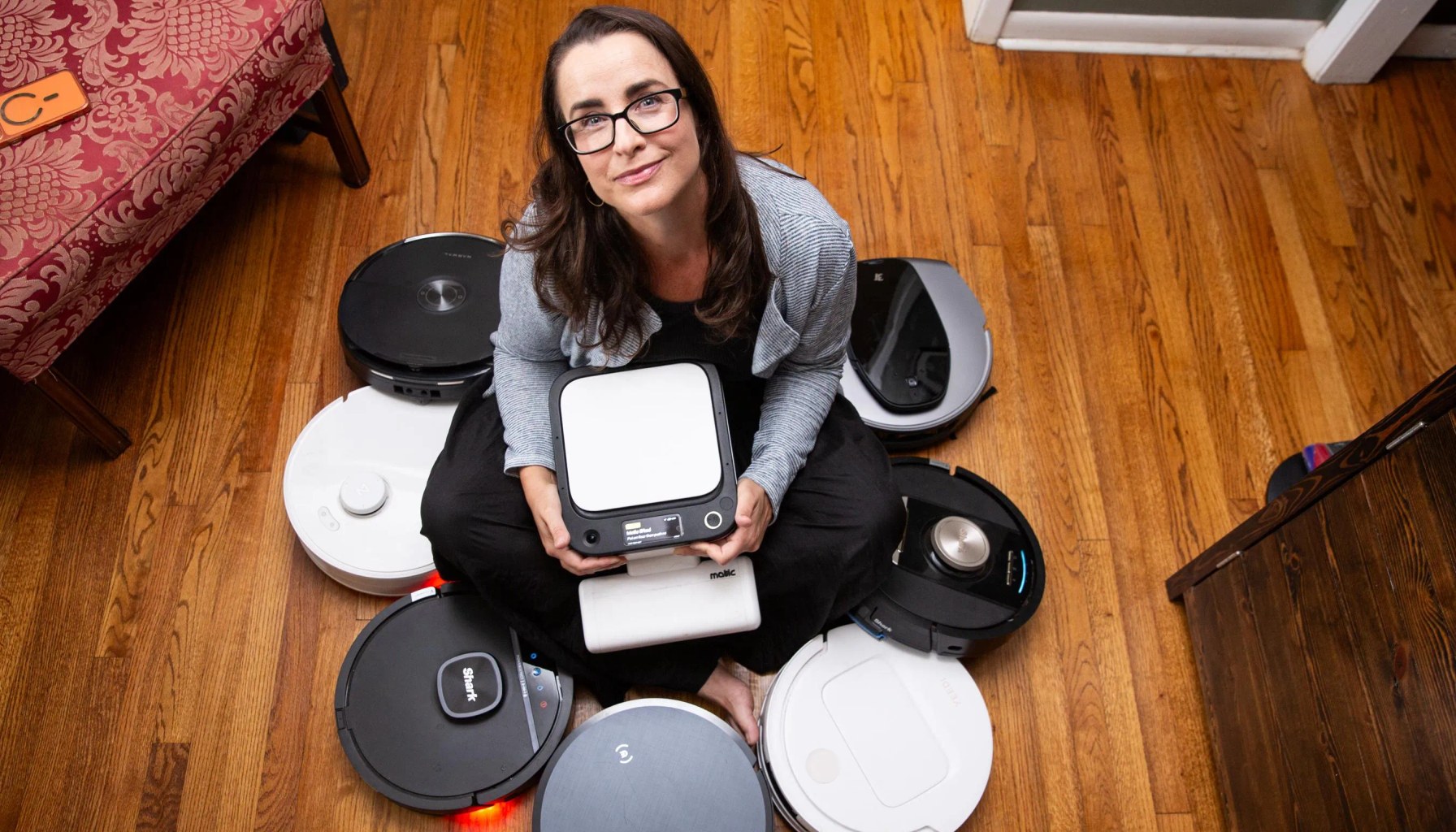
Robot vacuum-mops clean smarter, but they still demand real supervision. In six years of testing robot vacuums and mops, The Verge’s Rose Tuohy argues the best model is the one that reduces intervention, not the one with the flashiest spec sheet The Verge.
The big lesson is practical: pick the machine based on your home, not the marketing pitch. Tuohy explains the first question to ask is how your house is laid out, including the flooring, how many rugs, where furniture sits, and how easy it is to move between rooms. Those details determine which bot will actually minimize intervention in daily life, not just perform well on a spec sheet The Verge.
Mopping in particular has improved a lot, with many models now capable of scrubbing rather than merely dragging a damp cloth around. But even the best systems do not replace a human mop and a human eye for edge cases, and they cannot match a dedicated vacuum and mop routine for tough messes The Verge.
And there are clear limits in real homes. The testers note that robots still struggle with corners, baseboards, tight spaces, and dried-on stains, and they can surprise you in everyday scenarios (think rug tassels, cable clutter, or odd floor transitions) despite what a glossy feature list promises The Verge.
So what should shoppers take away from these hands-on findings? Start with your layout: if you have mostly open spaces with smooth floors, a bot with strong mapping and mop capabilities can reduce chores. If you have a lot of thick pile carpets, high fidelity edge cleaning, or frequent dried messes, you’ll likely still need manual touch-ups. In practice, the best-fit choice is a balance between your floor plan, how often you want to intervene, and how comfortable you are with imperfect edge work from a robot The Verge.
Industry watchers also note a broader pattern: consumers reward the idea of set it and forget it, but the actual day-to-day use remains a collaboration with your space. The Verge emphasizes that the most reliable outcome comes from pairing a robot with honest expectations: you’ll enjoy less overall effort, but you’ll still do manual cleaning for stubborn spots and occasional edge work, especially in homes with complex layouts or mixed flooring The Verge.
Practitioner insights for navigating the market:
The takeaway for buyers is clear: robot vacuums and mops offer real value, but they are not fully autonomous. A thoughtful match to your home and a willingness to handle persistent spots will yield the best results, rather than chasing a flawless hands-off miracle The Verge.
- These are the robot vacuum-mops I recommend for every type of hometheverge.com / Independent source / Published MAY 19, 2026 / Accessed MAY 19, 2026