Rugged DC DC Converters Become Field Robotics Backbone
By Maxine Shaw
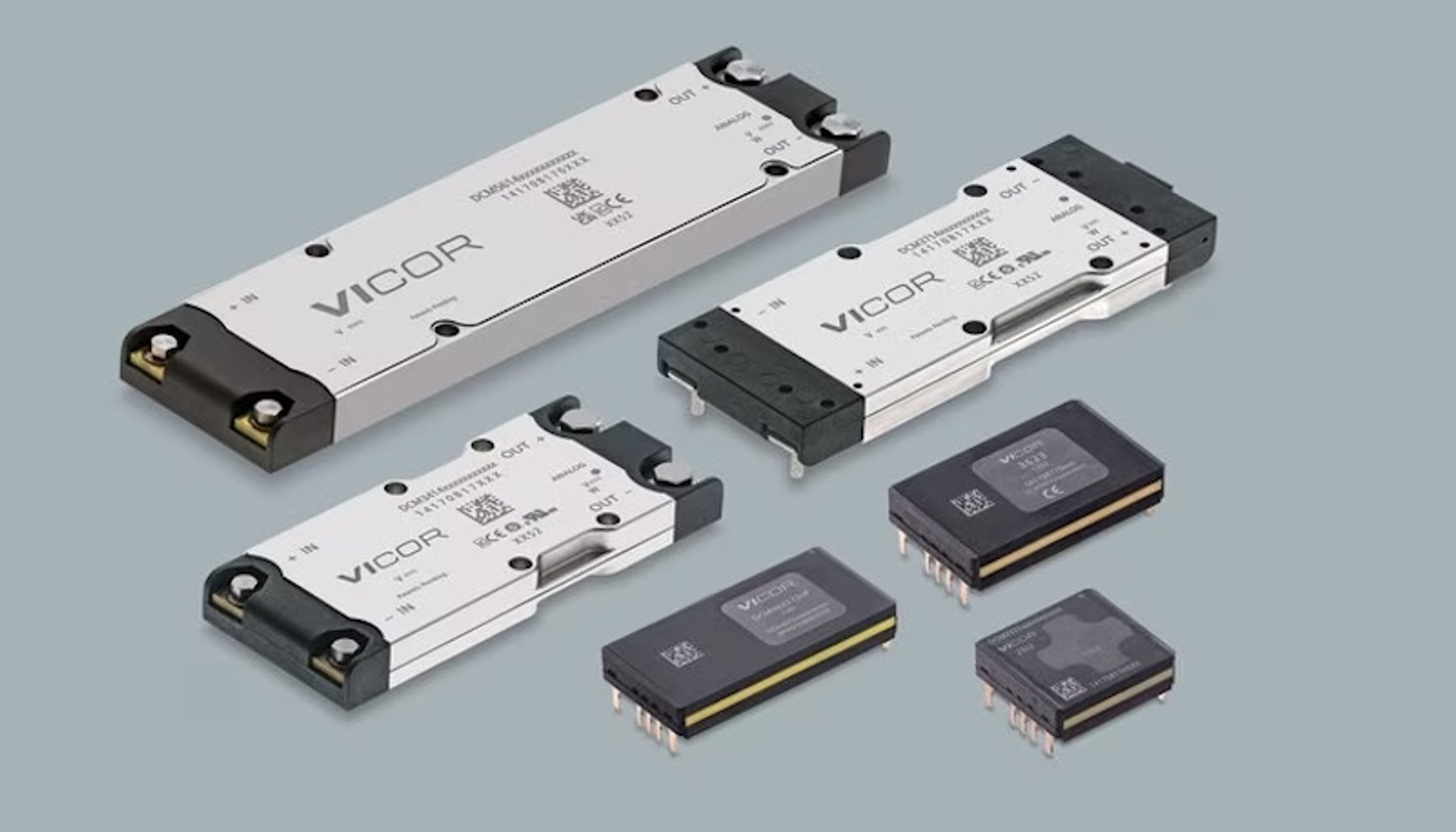
Image / roboticsandautomationnews.com
Rugged DC DC converters are the new backbone for field robotics.
A new industry roundup from Robotics & Automation News spotlighting the best rugged DC-DC converters for industrial and military applications arrives at a moment when automation teams are pushing machines into harsher environments. The piece argues that reliable power conversion is no longer a nice-to-have but a survival factor for systems exposed to vibration, shock, EMI and extreme temperatures. In other words, the power module itself now determines whether an automation cell runs or sits idle waiting for the next spare part.
What to Look For in a Rugged DC DC Converter is the core message of the report. The author stresses resilience in real world conditions, not just performance in a lab. Production data shows that the most impactful designs are those that maintain stable rails under multi-axis vibration and wide temperature swings, while remaining compliant with the electrical noise and EMI demands of mixed-use facilities. Aerospace, naval and defense applications are treated not as outliers but as early indicators of what industrial automation will demand next: fewer unexpected outages, simpler field service and longer-lasting boards that don’t require repeated rebuilds when a factory floor shudders or a forklift clangs into a cabinet.
Integration teams report that the practical constraints of bringing rugged power modules into a live line matter as much as the specs on the data sheet. Floor space remains at a premium in compact work cells, and heat removal is a recurring challenge when the converter sits inside tight enclosures next to high duty motors and sensors. The article underscores that a successful deployment hinges on alignment between the power module’s thermal characteristics, mounting options, and the cabinet’s cable strategy. In plain terms you do not just drop a rugged converter in and walk away. You design around it, or you’ll end up chasing intermittent faults that look like software bugs but are really electrical supply glitches.
From the field, practitioners highlight two latent costs that vendors rarely surface. Hidden costs they don’t mention upfront include longer lead times for rugged variants and the need for specialized connectors, coatings or certifications to satisfy stringent EMC and environmental requirements. Floor supervisors confirm that the training hours bundled with a new module are a real variable; insufficient training can extend ramp-up times and inflate maintenance personnel’s learning curves when wiring and fault isolation become the bottleneck. The article’s emphasis on integration readiness aligns with a broader industry push. The value of a rugged DC-DC converter is not just in the part’s efficiency, but in the ecosystem that surrounds it, including the spec sheet that matches your machine, the quality of the vendor’s test data, and the availability of field support when a unit migrates from a bench to a live line.
Two to four practitioner insights emerge clearly. First, expect environmental ruggedness to drive the selection: vibration, shock, EMI and temperature range are not add-ons but baseline criteria. Second, plan for integration rightsizing: form factor, heatsinking, mounting flexibility and wiring complexity determine whether the converter actually reduces downtime or creates new failure modes. Third, budget for total cost of ownership, including training hours and spare parts, because the value of rugged power modules shows up as uptime and predictability rather than a lower sticker price. Fourth, factor in skilled trades for installation and EMC testing; the best power modules still depend on competent wiring and on-site validation to unlock their full reliability.
The broader takeaway for plant managers and operations leaders is that the industry is formalizing a truth many automation teams have learned on the job: the power rail is a performance bottleneck or a bottleneck's shield, depending on how you spec, source and deploy the converter. The round-up signals that rugged DC-DC converters are here to stay as field robotics extend into harsher settings, and the next wave of deployments will hinge on thoughtful integration, not hero demos.
- Best Rugged DC‑DC Converters for Industrial and Military Applicationsroboticsandautomationnews.com / Mainstream / Published MAY 28, 2026 / Accessed MAY 28, 2026
Newsletter
The Robotics Briefing
A daily front-page digest delivered around noon Central Time, with the strongest headlines linked straight into the full stories.
No spam. Unsubscribe anytime. Read our privacy policy for details.