Smart Home Savings: 5 Cheap Replacements That Work
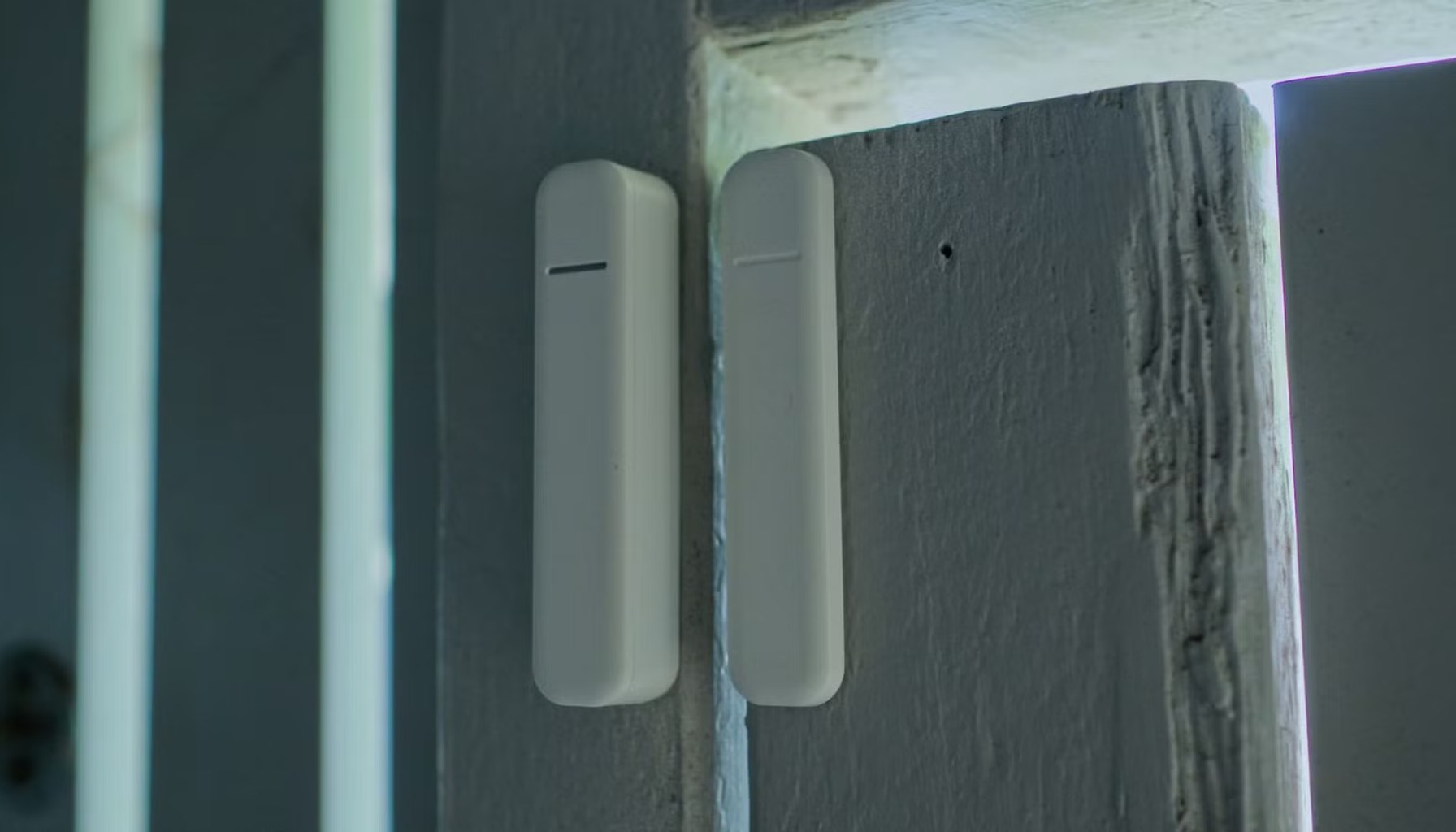
Image / How-To Geek Smart Home
Five budget smart devices can replace expensive gear, saving you hundreds.
Building a smarter home doesn’t have to mean maxing out your credit card. A recent How-To Geek roundup argues you can swap pricey components for five budget-friendly devices that cover the same core functions. The premise is simple but provocative: you don’t need a premium hub or branded sensors to automate your day. Instead, targeted, inexpensive gear can handle power, lighting, sensing, automation, and surveillance tasks without forcing you into a single ecosystem or a long-term hardware treadmill. The article emphasizes that savings aren’t just in the sticker price of the device but in avoiding overbought capabilities you might never use.
A core catch comes with buying cheaper gear. The author points out that while upfront costs can be lower, the hidden price can show up as privacy tradeoffs and lock-in to particular ecosystems. Cheap devices often lean on cloud services or vendor apps for smart routines, away from local control, which can raise questions about who can access your data and how long those services will be supported. Even if the hardware is affordable, you may still encounter ongoing subscription costs for cloud features, video storage, or advanced automation. Reviews show that the real value isn’t in a single gadget but in how well a small set of affordable devices can be orchestrated to behave like pricier systems. The article’s intent is practical, not promotional: it calls for a cautious look at what you actually need versus what a premium system promises.
From an industry perspective, the takeaway is that smart homes live or die by interoperability and lifecycle support. The five budget devices concept highlights a broader truth: you can achieve similar automation outcomes with off-brand or lower-cost components, but you’ll often trade some reliability, feature depth, or long-term support. This is where the tradeoffs matter for a real-world household. A cheaper device may work beautifully for routine tasks, yet it might require a separate app, a dedicated bridge, or periodic reconfiguration when software updates roll out. In practice, that means planners should expect a few constraints: you may need a central hub or bridge to keep diverse devices talking, and you should test how automations behave if a cloud service is temporarily unavailable. The push toward affordable options also nudges manufacturers to offer better local-control modes and clearer privacy controls, but the pace of that evolution remains mixed across brands.
Two practical takeaways emerge for readers weighing a frugal upgrade. First, audit your current setup before buying anything new. Map out which functions you actually use, such as lighting scenes, motion-triggered cameras, or voice-activated routines, and then compare them to what a handful of cheap devices can cover. This helps prevent a mismatch between expectations and reality, ensuring you don’t pay for capabilities you won’t leverage. Second, plan for total cost of ownership, not just the initial price. Consider whether the devices require ongoing cloud subscriptions and how robust the vendor’s update cycle is. If a cheap sensor relies on a cloud API that might be retired in a few years, you could end up replacing it sooner than intended. The goal is to design a budget setup that remains maintainable over time, not just a temporary money saver.
As the market continues to churn with low-cost options, the lesson is clear: you can build a capable smart home without chasing premium gear, provided you stay mindful of privacy, ecosystem lock-in, and long-term support. The five-device blueprint is less a blueprint for perfect parity with expensive systems and more a reminder to align your choices with real needs, predictable updates, and a sane approach to data governance. For budget-minded shoppers, the headline remains relevant: you don’t have to overspend to get the automation you want, but you should weigh the hidden costs that come with cheap, cloud-reliant gear.
- Stop overspending on smart home gear—these 5 cheap devices can replace expensive onesHow-To Geek Smart Home / Mainstream / Published JUL 04, 2026 / Accessed JUL 05, 2026