Smarter Interfaces Drive Physical AI Forward
By Sophia Chen
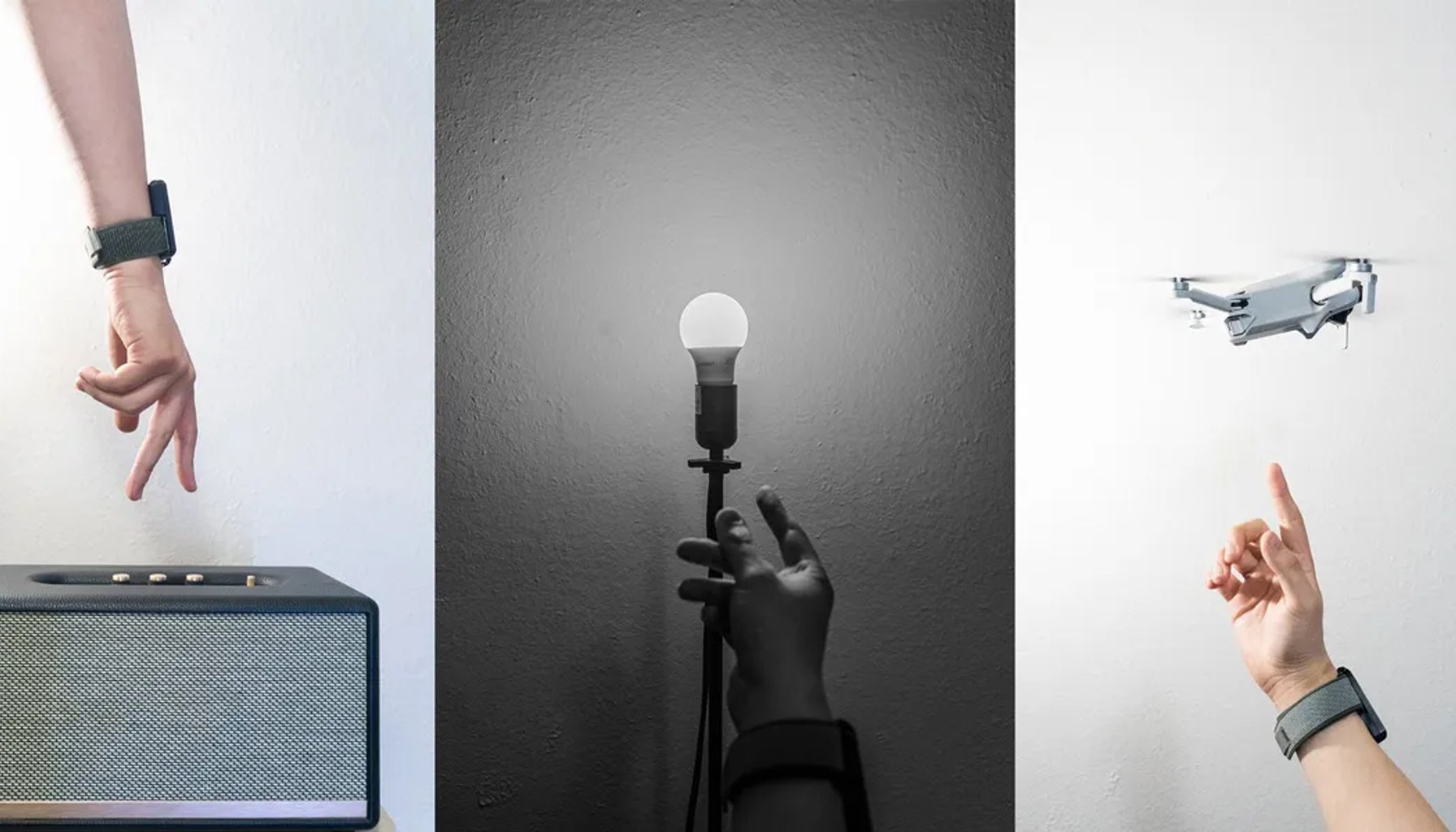
Image / spectrum.ieee.org
Smarter interfaces are finally letting humans talk to machines without taking their eyes off the task. A belt hung diagnostic device on a wind turbine crew and gloves on a dock worker show a future where intent travels through wearables, not voice alone The Future of Physical AI Isn’t Smarter Robots, It’s Smarter Interfaces.
That shift is the through line in Wetour Robotics' framing of Physical AI as a joint effort of clever hardware and smarter ways to issue commands. The article notes that in the last three years robotics hardware has made leaps in actuators, locomotion, and dexterity, but the human interface side has lagged The Future of Physical AI Isn’t Smarter Robots, It’s Smarter Interfaces.
Three field scenes illustrate the stakes: a field technician on a turbine with hands full reaches for a belt mounted diagnostic device; a logistics worker with gloves on must steer a connected lift while watching a pallet; a person using an assistive mobility device on a crowded street wants to nudge it forward without pulling out a phone The Future of Physical AI Isn’t Smarter Robots, It’s Smarter Interfaces.
Spatial Intent Fusion is described as the simultaneous processing of three streams of human-centered information, namely spatial position, vision, and context, enabling intent to translate into action without explicit commands The Future of Physical AI Isn’t Smarter Robots, It’s Smarter Interfaces.
Engineering documentation shows the trend intersects with major robotics players such as Boston Dynamics, Figure, and Unitree, which have pushed actuators and locomotion forward while Google DeepMind's Gemini Robotics pushes the vision-language-action model into unstructured settings The Future of Physical AI Isn’t Smarter Robots, It’s Smarter Interfaces.
From an engineering standpoint, the core value is reducing the cognitive load when hardware is in the field or on a sidewalk, but it requires reliable edge compute, robust sensing, and low latency to avoid misinterpretation when the user already has hands full The Future of Physical AI Isn’t Smarter Robots, It’s Smarter Interfaces. The shift also highlights a practical checklist for deployments: durable wearables, safe interaction with moving machinery, and governance around data as more human intent data passes through devices The Future of Physical AI Isn’t Smarter Robots, It’s Smarter Interfaces.
This is a moment of convergence rather than a single product reveal. The story, as framed by Wetour, argues that field-ready value will be measured not by lab demos but by real world reliability, speed, and safety of the human interface layer that binds people to ever smarter machines The Future of Physical AI Isn’t Smarter Robots, It’s Smarter Interfaces.
- The Future of Physical AI Isn’t Smarter Robots, It’s Smarter Interfacesspectrum.ieee.org / Research / Published MAY 21, 2026 / Accessed MAY 21, 2026
Newsletter
The Robotics Briefing
A daily front-page digest delivered around noon Central Time, with the strongest headlines linked straight into the full stories.
No spam. Unsubscribe anytime. Read our privacy policy for details.