Tennant Unveils 24/7 X16 Sweep
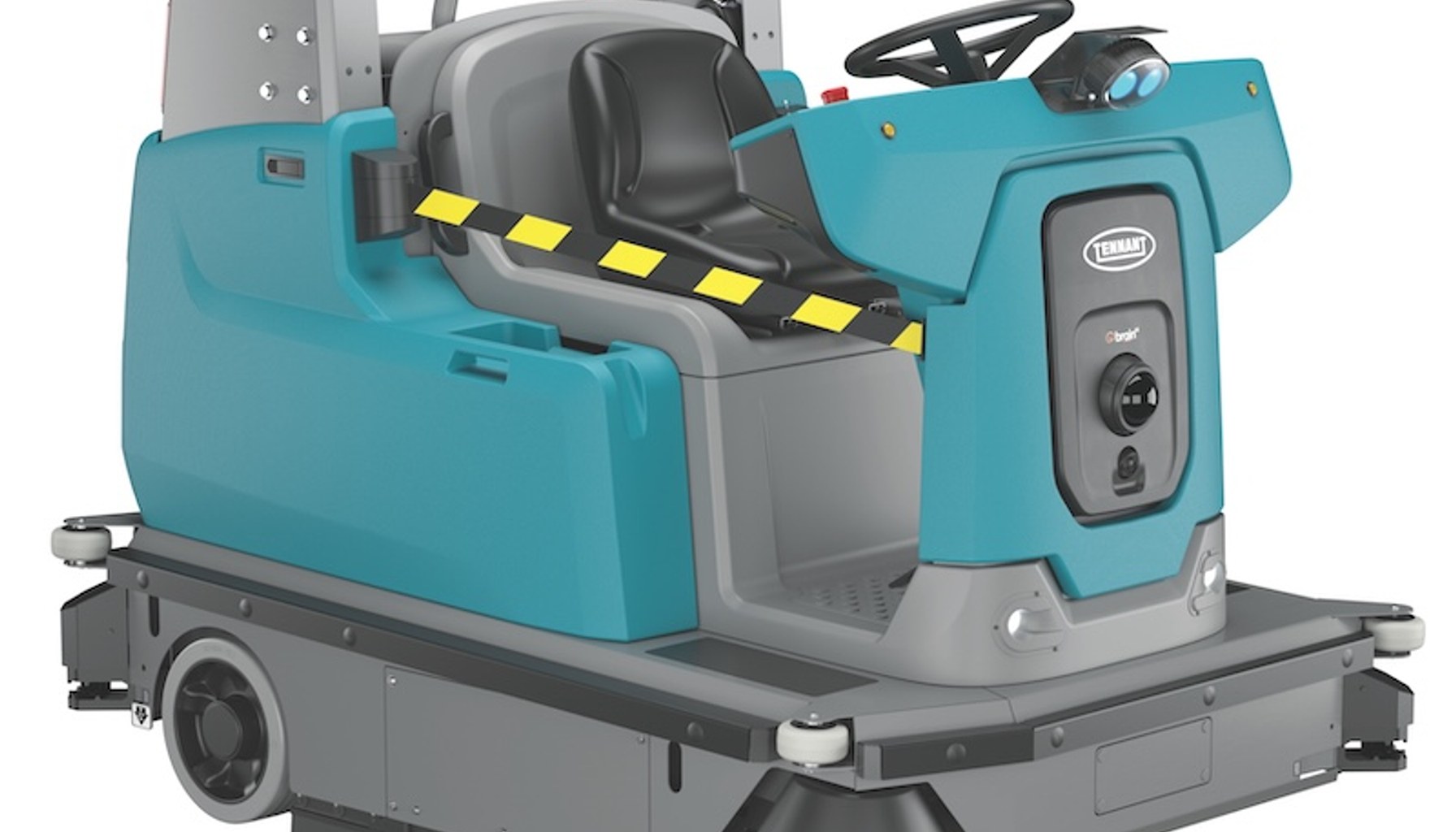
Tennant just unveiled an autonomous sweeper that cleans warehouses 24/7.
The X16 Sweep marks Tennant’s foray into a space where floor care isn’t a cushion for downtime but a line-item in reliability. Described as the company’s first autonomous, robotic sweeper engineered for “complex industrial environments,” the machine is pitched at facilities where pallet racks, congested aisles, and front-line workers collide with heavy traffic. In other words, the kind of floors where a marketing demo often collapses into a maintenance nightmare once real-world variables—dust, clutter, operators with spray bottles, and the occasional forklift—are factored in. The launch, announced on April 10, 2026, follows a longer arc of automation suppliers pushing cleaning tasks from nights and weekends into continuous operation.
For plant managers and operations leaders, the promise is simple: a cleaner floor around the clock, without clocking out. A consistently clean surface matters beyond appearance. In warehouses and logistics centers, floor cleanliness translates into reduced slip hazards, less abrasive wear on equipment, and fewer contamination hotspots that can ripple into product damage or warranty claims. The X16 is positioned as a tool to stabilize cleaning throughput—regular, repeatable coverage across shifts that historically rely on human labor to manage peaks and gaps. In practice, that means an automation option that can supplement or, in some cases, replace routine sweeps during off-hours, potentially freeing up human workers for higher-value tasks.
Yet the reality of bringing a robot into a live industrial workflow isn’t a single-click bet. Industry observers say the value hinges on integration, not just the machine’s sensor suite. The launch materials emphasize capability in “complex environments,” but they do not spell out exact deployment requirements. What is clear is that success will depend on how facilities handle docking and charging, network connectivity, maintenance cycles, and training. These are the kinds of details that determine whether a pilot spins up into a deployment or stalls at the design stage when the first obstacle—literally—stops the cleaner in its tracks.
Two practitioner concerns loom large. First, integration footprint and power: the absence of disclosed floor-space or power requirements means operators will need to map out docking infrastructure, charging cadence, and any retrofits to existing electrical circuits. Expect facilities to allocate a dedicated charging dock or multiple docks in high-traffic zones, plus a reliable data link for software updates and operational commands. Second, training and human-in-the-loop governance: even a 24/7 robot needs supervision, exception handling, and rapid human intervention protocols. Operators must learn to monitor health indicators, triage jams, and re-route cleaning plans around unexpected pedestrian or vehicle traffic. The cost of that training—how many hours, on which shifts, and who pays for it—will materially affect the return on investment.
Hidden costs vendors rarely spell out up front will also matter. Battery wear and spare-pack strategy, routine sensor calibration, software subscription or maintenance fees, and the cost of integrating the robot with existing facility-management systems can tilt a project from “payback in months” toward “budgeted for the year.” And while the X16’s bullet point—autonomous, round-the-clock cleaning—is attractive, advantages accrue only if the robot actually operates in the conditions it was designed for and if the facility commits to the supporting infrastructure.
Industry watchers will be watching for early deployment results: cycle-time stability, uptime across shifts, and the degree to which a robot can operate without frequent manual intervention in a busy, dynamic floor. If Tennant lands the operational truth behind the demo, the X16 could become a practical tool to deliver predictable cleanliness and modest labor relief in facilities that historically tolerated variability in busier periods.
- Tennant unveils new industrial sweeping machine for ‘autonomous, round-the-clock’ workroboticsandautomationnews.com / Source role not classified / Published APR 10, 2026 / Accessed APR 12, 2026