Weather Data Is the Quiet Automation Gatekeeper
By Maxine Shaw
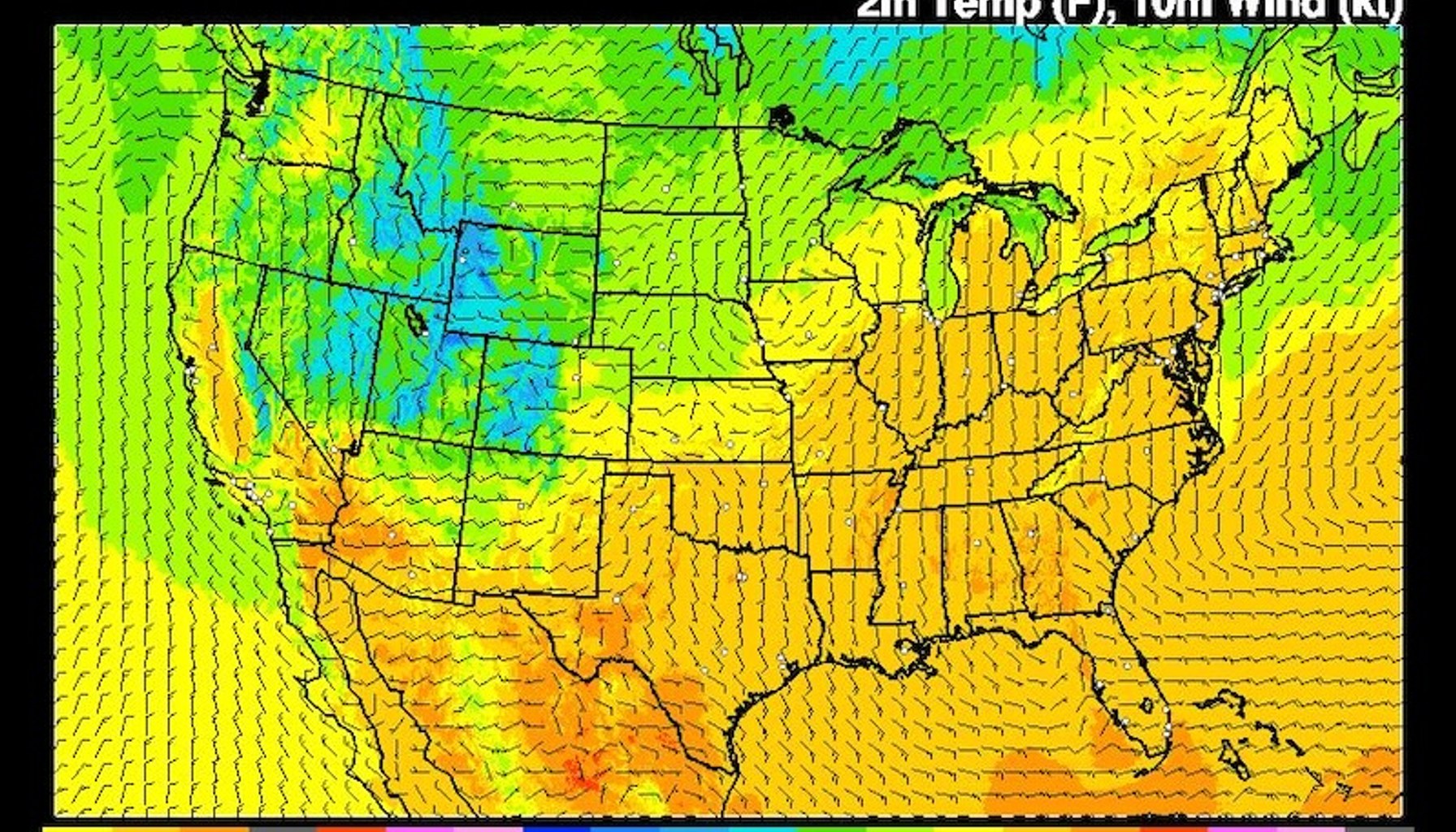
Image / roboticsandautomationnews.com
Weather data is deciding if your robots perform—or fail.
The latest read from the automation beat isn’t about faster motors or smarter sensors. It’s about weather intelligence—the idea that outdoor elements and microclimates inside facilities are not decoration, but a hard dependency for reliable, repeatable automation. Production data shows that without timely, contextual weather inputs, even the most carefully tuned robots and ML models can drift into misalignment, prompting jams, recalibration, or routine stoppages. The message is clear enough to demand a rethink: weather isn’t a feature; it’s infrastructure.
From autonomous forklifts navigating yards to conveyor systems tuned for indoor humidity swings, the article argues that weather information threads through every layer of an automation stack. Sensors, cameras, and path-planning logic won’t stay accurate if the weather context that shapes their inputs is stale or inconsistent. Integration teams report that simply plugging in a weather feed is not enough; it must be synchronized with the plant’s cadence. Floor supervisors confirm that unexpected rain, fog, or HVAC-driven temperature shifts can trigger sensor noise, calibration drift, and, in worst cases, unplanned downtime. The hidden dependency becomes visible only when the data pipeline falters—and the robot keeps running into walls it can’t see.
The piece also points to a subtle but real ROI dynamic. Integration teams report that the cost of adding weather intelligence—data feeds, edge devices, and validation workflows—looks modest on a vendor slide, but the operational lift can be nontrivial. In practice, weather-aware deployments demand more than signals; they require governance. Production data shows that teams must standardize data schemas, establish latency budgets, and implement fallback modes for outages. When weather data quality degrades, automated systems revert to conservative modes, which slows throughput and eats into cycle-time improvements the automation project promised to deliver.
There are clear, actionable lessons for plant leaders. First, weather intelligence isn’t optional in modern deployments; it’s a core input that determines stability and uptime. Second, the integration challenge sits not just at the data layer but across the entire workflow: plant-floor validation, training hours for operators on weather-aware routines, and the physical footprint for additional sensors or edge compute. Floor space and power planning aren’t glamorous, yet they become necessary as teams stitch weather feeds into their control loops. Third, human workers will still perform critical tasks—monitoring, exception handling, and on-site debugging—because weather-induced anomalies can outpace automated containment. Operational metrics show when a warehouse robot slows to accommodate visibility limits or when a misting system changes the scene perceived by vision — those are the moments humans must triage.
What to watch next, practically, is not just the weather feed but its integration discipline. Vendors gloss over “seamless” weather data pipelines; floor teams know the difference between a push and a real-time, fault-tolerant stream. ROI measurements will need to separate uptime improvements from the noise of seasonal demand and maintenance cycles. And as weather intelligence becomes more routine, expect a shift in project roadmaps: more time and budget allocated for data validation, stronger SLAs for weather providers, and clearer criteria for when weather-driven adaptations are worth it versus when manual intervention is preferable in edge cases.
This isn’t hype. It’s a shift in how we design, deploy, and measure automation uptime. The weather story isn’t a footnote; it’s the infrastructure that quietly enables the “deployable” to become the “deploy and sustain.” Production data shows the difference is real, if rarely dramatic in the moment—until a sustained rain robs you of precision, then the cost of ignoring it becomes obvious.
Sources
Newsletter
The Robotics Briefing
Weekly intelligence on automation, regulation, and investment trends - crafted for operators, researchers, and policy leaders.
No spam. Unsubscribe anytime. Read our privacy policy for details.