Tesla targets 10M Optimus units with Texas plant
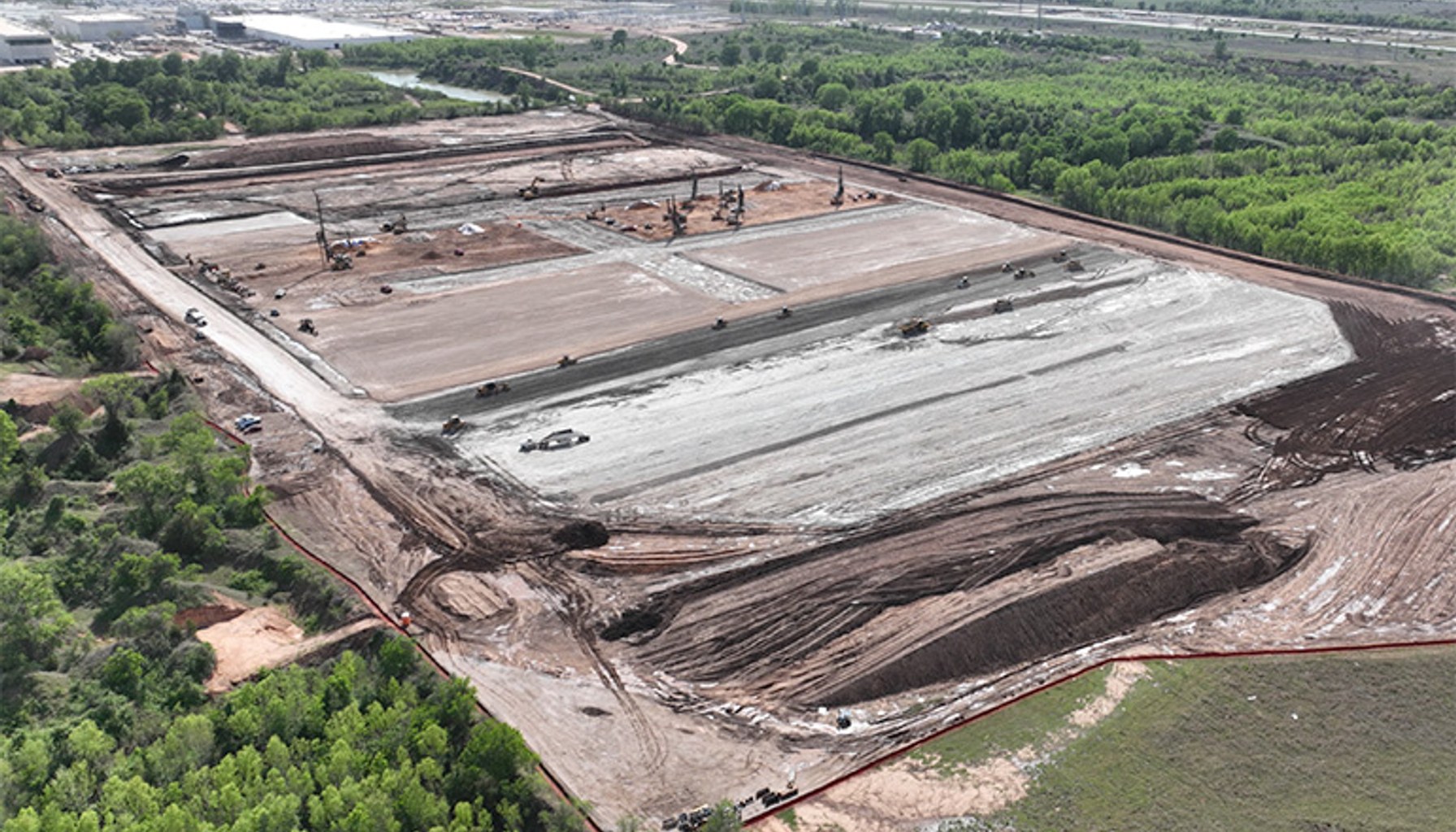
Tesla’s Optimus is crossing from demo reel into real factory floors, with a bold bet: 10 million humanoid robots per year at a new Texas plant and a first-generation line already set to scalp the Fremont team to build one million units annually.
Engineering documentation shows the company will begin Optimus production at the Fremont Factory in Q2 2026, and will repurpose the existing Model S and Model X lines to clear space for a first-generation robotics factory. The plan is complemented by a second-generation expansion at Giga Texas, where Tesla envisions a long-term capacity of 10 million robots per year. Demonstration footage and the earnings narrative both point to a robotics-first strategy, supported by Tesla’s push into vertical integration—most notably the AI5 inference processor and an all-new “Digital Optimus” intelligence layer designed to run in-house rather than rely solely on external compute.
In practical terms, this is a departure from the kind of public demos that built hype around Optimus in years past. It signals a shift toward scale, automation, and supply-chain control that only a production line at Fremont and a dedicated Texas plant can plausibly deliver. Tesla’s leadership framed the move as a two-stage ramp: a first-generation plant in California capable of 1 million units annually, followed by a second-generation facility in Texas targeting 10 million units per year. If the math holds, Tesla is betting its robotics pipeline will move from niche pilot to mass-manufactured ecosystem this decade.
Two things are conspicuously absent from the official disclosures: the robot’s physical characteristics and the power profile. The technical specifications reveal neither exact degrees of freedom (DOF) nor payload capacity for Optimus in the current rollout. While the rough expectation in the robotics community skews toward mid-to-high 20s DOF for meaningful manipulation and tool handling, Tesla has not publicly published these figures for the production line. The same silence applies to runtime, battery chemistry, and charging cadence—crucial constraints that will determine how useful a 10-million-unit annual fleet can be for real-world tasks.
From a technology-readiness perspective, the program appears to be straddling field deployment and manufacturing realities. The Fremont line’s designation as a first-generation robotics facility and the Texas site’s long-term target imply a field-ready trajectory, i.e., systems designed for end-user environments rather than controlled lab benches. Yet the scale—10 million robots per year—will hinge on manufacturing quality, supplier reliability, and the integration of AI compute (the AI5 processor) with perception, planning, and actuation stacks. Demonstration footage shows ambitious autonomy concepts, but the bottlenecks that deterministic factories must solve—error rates, maintenance cycles, and safety interlocks—are where many “10 million” promises fracture.
Compared with prior Optimus iterations, this plan is a real-world upgrade in scale and integration. The jump from a single production concept to a dual-site, vertically integrated line that pairs bespoke inference hardware with a software stack called Digital Optimus marks a meaningful advance in how Tesla intends to align hardware, software, and supply chain. It’s not just more robots; it’s a more coherent, self-contained robotics business that could, in theory, reduce external dependencies.
Two practitioner takeaways jump out immediately. First, scale will reveal whether Optimus can achieve cost-per-unit that makes sense for enterprise deployments. One million units per year at Fremont is one baseline; 10 million at Texas is a radically different economics problem, with capital intensity, raw-material sourcing, and automation reliability as the levers. Second, the unknowns around DOF, payload, and runtime will determine the robot’s practical usefulness. If Optimus can carry out everyday manipulation tasks for hours on a charge and handle common tools without frequent service downtime, the business case becomes plausible; if not, mass-market aspirations may outpace actual capability.
The plan’s biggest risk is execution. A 10-million-unit-per-year target requires not just line throughput but repeatable quality across a new generation of actuators, control software, and safety protocols. And as with any enterprise embracing a complete vertical stack—hardware, AI, and manufacturing—the path from promise to reality will be defined by the hidden costs of reliability, maintenance, and end-user safety in unstructured environments.
In short: Tesla is betting big that Optimus can scale. The two-pronged Fremont-to-Texas rollout is meant to prove the model, but until the DOF, payload, battery life, and total cost per unit are disclosed and validated at scale, the question remains: can 10 million Optimus robots truly ship—and stay shipped—and what will it cost to get there?
- From EVs to robotics: Tesla targets 10M Optimus units with new Texas planttherobotreport.com / Source role not classified / Published APR 22, 2026 / Accessed APR 23, 2026