The brain's hidden sense runs the show
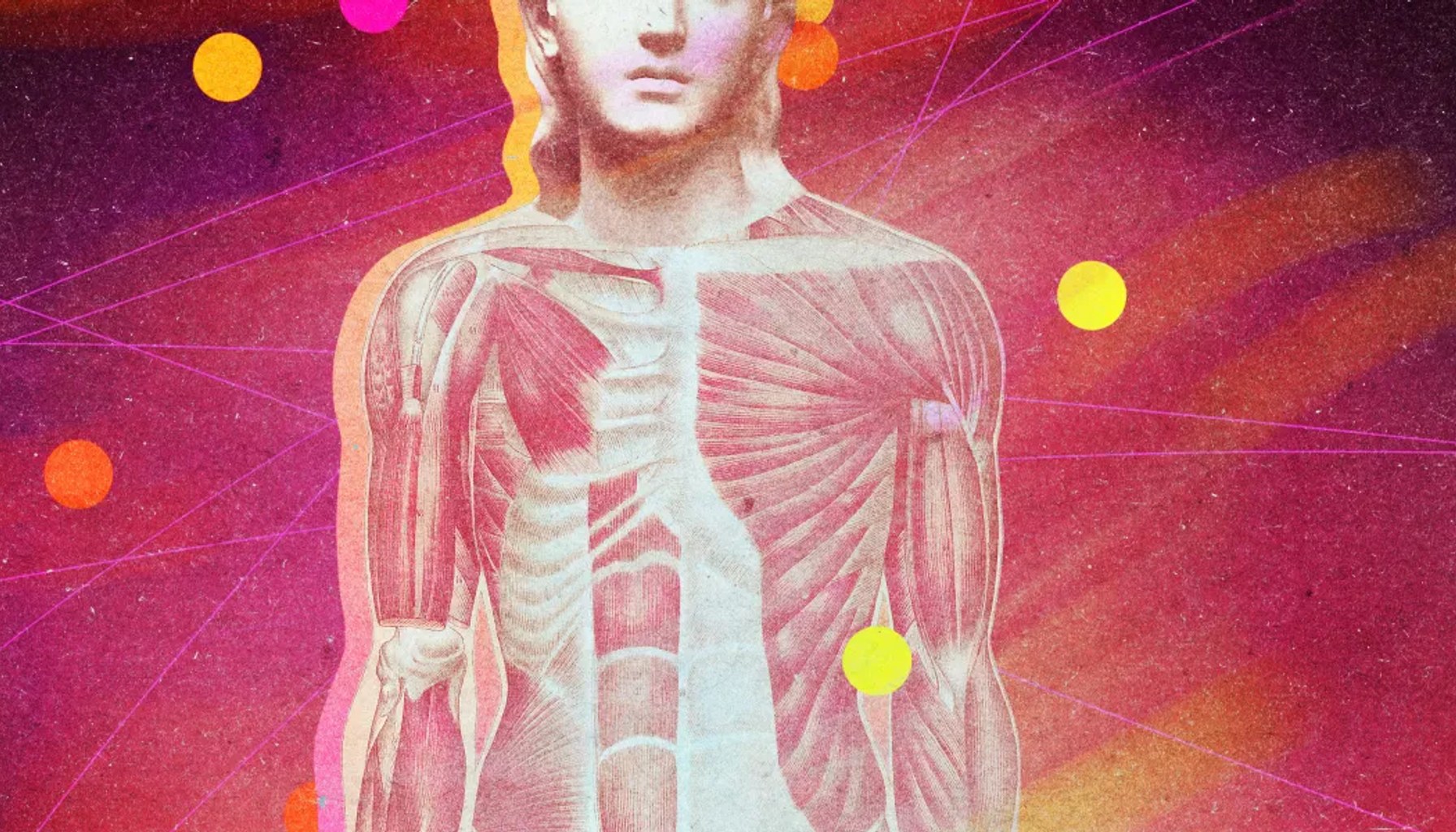
Your brain processes 11 million sensory bits each second, most of it unseen. MIT Technology Review's explainer on interoception lays out a hidden sense, the body's internal signals from skin, heart, and gut that the brain constantly predicts and weighs as you move through the day.
Only a sliver reaches conscious awareness. As NYU Langone neuroscientist Moriah Thomason notes, there is a right under the surface amount we are meant to hold in mind to function. The piece sketches a brain that lives in the skull but stays keenly tuned to signals you do not consciously parse, such as hair trembling at a draft, a pulse quickening before a tense moment, and a gut squeeze under stress. It is a reminder that perception is not just what hits the senses but what the brain fills in from inside.
The heart of the story is a predictive brain, one that constantly forecasts internal states to prepare action before you feel it on the surface. The explainer points to a broader truth: cognition is not a simple readout of external data. It is an internal forecast, built from a vast, largely unconscious data stream that shapes perception, emotion, and behavior. The brain’s predictive loop is so ingrained that even something as everyday as reading this sentence is guided by where your eyes will land next and what your body expects to happen as a result.
For AI teams watching human behavior, the takeaway is counterintuitive: most experience is inferred, not reported. The paper shows that conscious access is limited to a tiny fraction of the data our senses buffet us with, and what we feel is often a prediction your brain has stitched together from those hidden inputs. That insight reframes design and evaluation choices for human machine interfaces, health tech, and any system that tries to read or influence internal states.
Two practical implications stand out for practitioners. First, do not count on self reports alone to understand user state. The brain’s emphasis on unconscious processing means that implicit signals, such as behavioral cues, timing, and patterns, will often reveal more about internal states than a brief user diary. Second, respect a memory constraint your models must honor. The brain is wired to hold only so much in working memory to function smoothly; applications that ask people to juggle multiple mental tasks or to describe their state in detail risk misalignment between what users think they feel and what their bodies are signaling.
The article's framing is not about biology trivia. It is a blueprint for engineering around human perception. Build systems that accommodate the fact that most internal state is not accessible to conscious description, and design around the brain's preference for prediction over recall. In practice, that means models and interfaces should anticipate hidden states from observable behavior, not rely solely on explicit user input. It also calls for cautious updates when model outputs diverge from a user's reported experience, acknowledging that the brain internal forecast can diverge from what the user can articulate at the moment.
In short, interoception reveals a quiet rule of engagement with people: what you know about a user often lives in what they do not say and in how their bodies react to the world around them. The more we design with that interior forecast in mind, the closer we get to humane, responsive AI.
- Inside interoception: The hidden sense of how you feel insideMIT Technology Review / Independent source / Published JUN 12, 2026 / Accessed JUN 14, 2026