Tungsten Carbide Drives Next Gen Robotics
By Maxine Shaw
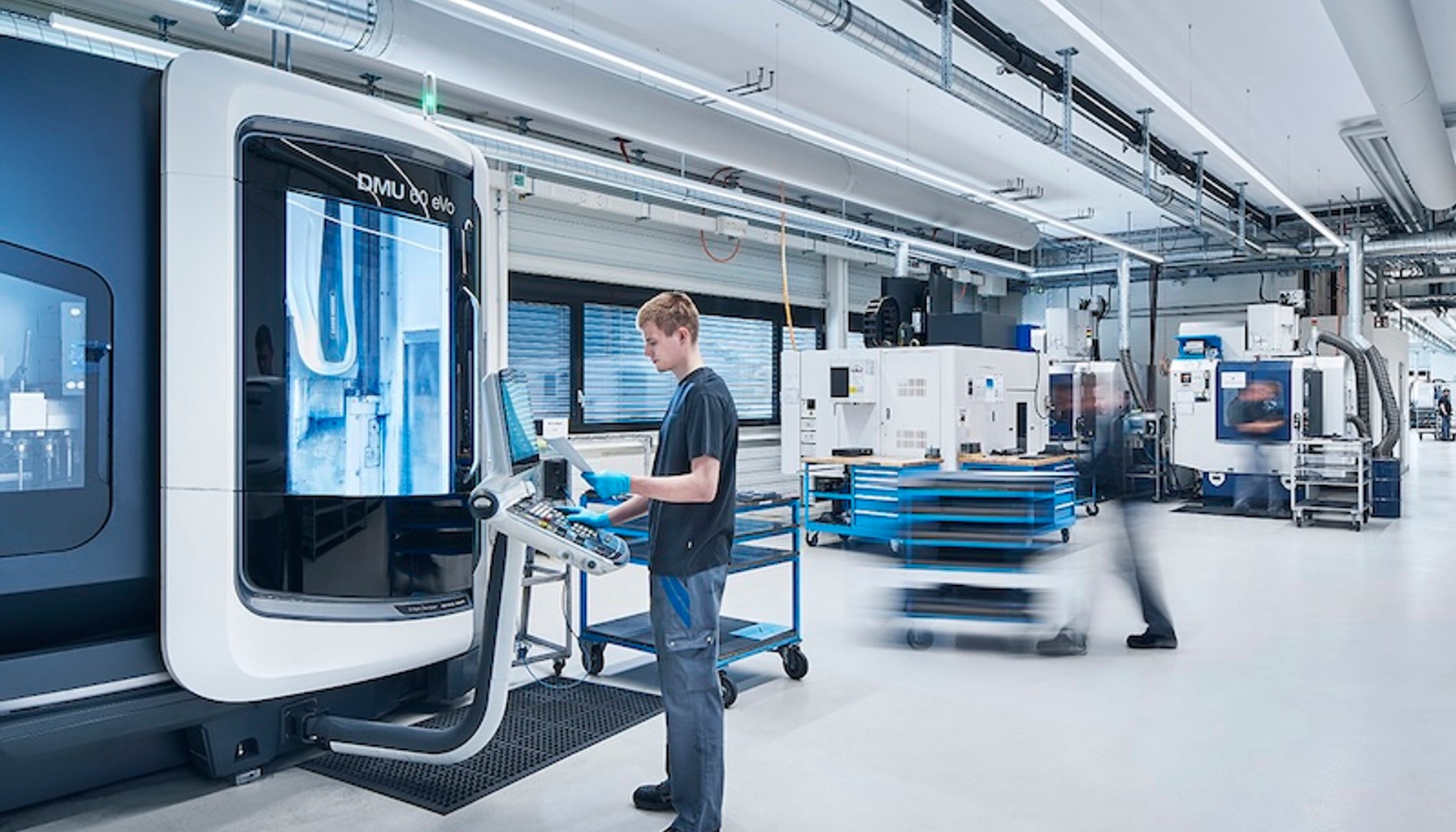
Image / roboticsandautomationnews.com
Tungsten carbide could be the quiet engine behind tougher robots. The piece argues that while software and sensors grab headlines, the real bottleneck often sits in the metal at the end effector and the gears that drive a cell. Tungsten carbide, with its reputation for extraordinary hardness and wear resistance, is emerging as a material strategy to extend the life of parts that endure repetitive, high-load motions. This shift is recounted in Tungsten Carbide Manufacturing and the Future of Next-Generation Robotics. Source
Robots still depend on physical parts that move, grip, cut, guide, rotate, and repeat the same motions for thousands or millions of cycles. In that light, material choice becomes more than a footnote. The article frames this as a structural issue: performance and uptime hinge on how well those parts resist wear, heat, and micro-damage over time. The implication is that tungsten carbide is not a novelty but a practical lever to squeeze more life out of robot cells. Source
Manufacturers are eyeing tungsten carbide for cutting tools, grippers, valves, and bearing surfaces that regularly bear high loads and abrasive contact. By improving surface durability, carbide parts can reduce unscheduled downtime and help maintain predictable cycle times. Production data shows that in segments where wear is the limiting factor, material choice can tilt a project from a fragile demo to a deployed system. Source
Integration teams weigh not only the material properties but also the factory realities, including how to machine and join carbide components, the supply chain for carbide blanks, and the calibration of robot control software around stiffer parts. The article suggests that the story of next generation robotics is as much about manufacturability as it is about intelligence, how to bring a high performance material from spec sheet to the floor. Source
Industry practitioners will need to chart wear hotspots on their lines and align procurement with carbide supply cycles. Floor supervisors and maintenance teams should expect longer lead times for carbide tooling and a learning curve for machining and assembly. The article notes that successful deployments come from close collaboration among material suppliers, automation integrators, and plant operators, not from a vendor demo. Source
Ultimately the piece casts tungsten carbide as a practical pivot in a hardware constrained world, where fewer parts failures translate into tangible cycle time gains and lower maintenance frequency. It is a reminder that robotics progress is not just code and sensors but the stubborn metal that keeps a cell turning. Source
- Tungsten Carbide Manufacturing and the Future of Next-Generation Roboticsroboticsandautomationnews.com / Mainstream / Published MAY 18, 2026 / Accessed MAY 18, 2026
Newsletter
The Robotics Briefing
A daily front-page digest delivered around noon Central Time, with the strongest headlines linked straight into the full stories.
No spam. Unsubscribe anytime. Read our privacy policy for details.