Under-$50 Gadgets That Actually Work
By Riley Hart
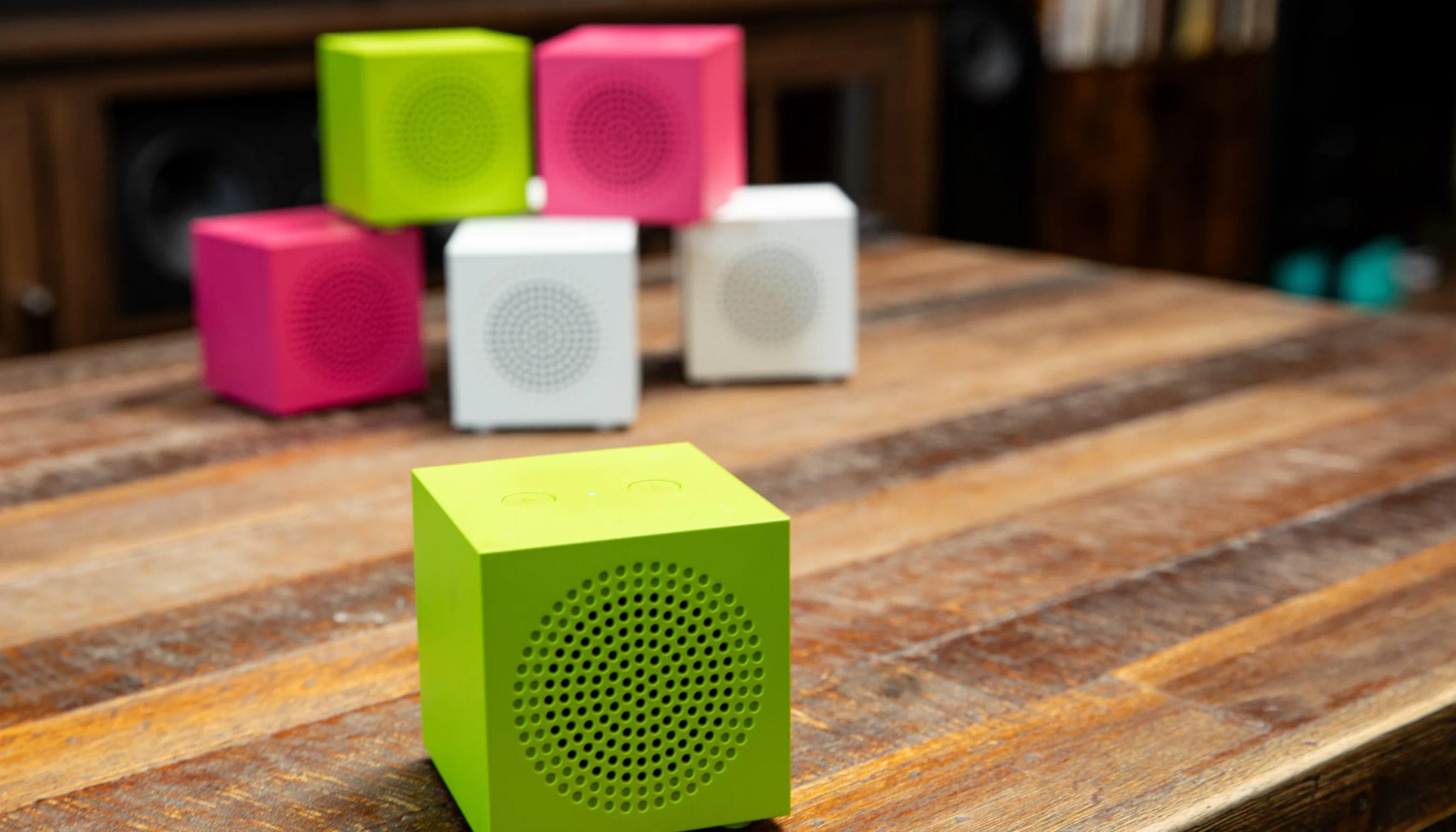
Image / theverge.com
Cheap gadgets under $50 quietly steal the show—and they actually perform.
Tariffs and a memory crunch are nudging up gadget prices, but The Verge’s latest round-up makes a stubborn case for value-priced tools that don’t feel like junk. The editors enlisted staffers to spotlight favorites that “don’t fall apart after a few weeks,” a claim you rarely hear when a product’s price tag looks like a dare. The list spans practical basics—portable power banks and backup bulbs—to small-but-sensible tech that actually earns a spot in real homes.
Among the standout picks are compact power solutions and lighting that don’t demand a mortgage. A dirt-cheap Bluetooth speaker, a pair of affordable earbuds, and even a fitness tracker that punches above its weight show up in the mix. The Verge also highlights a tiny, ultra-functional tool: the Nite Ize DoohicKey Plus Key Tool. It’s a six-to-seven-dollar gadget designed to live on a keyring, ready for everyday tasks like opening boxes, popping bottlecaps, or snugging a small screw when you’re far from a toolbox. Prices vary by retailer—Amazon lists it around $6.49, with the tool sold directly by Nite Ize at about $6.99 and other outlets placing it near $7, sometimes dipping to around $6.50 at REI.
In hands-on reviews, testers found that this market segment can deliver real-world utility without triggering buyer’s remorse. The appeal isn’t novelty; it’s practical leverage in pinch moments—items you actually reach for instead of something that sits on a shelf collecting dust. The broader takeaway is simple: for anyone watching their wallet, there’s a surprisingly broad spectrum of usable gear that keeps pace with everyday needs.
Two, four, and even six-letter constraints shape what ends up under $50. Durability is the obvious one: cheap gear often sources from lean manufacturing, so you trade heft for lightness and hope. Battery life and charging standards become a quiet deal-breaker: a power bank or wireless accessory can be a bargain until it dies at the worst possible moment. You also want reasonable return policies and warranties, because “too cheap” is a risk you only discover after a misfire. And finally, the use-case matters. These picks win where you need quick, low-stakes upgrades—backup lighting for power outages, travel chargers, or a simple on-a-keyring tool that saves you a trip to the toolbox.
Practitioner insights for shoppers:
Bottom line: you don’t need to break the bank to kit out your daily life with dependable little helpers. The Verge’s cheap-stuff round-up suggests that, in a price-constrained moment, carefully chosen under-$50 gadgets can deliver meaningful, repeatable utility—without the premium-audio, premium-claims hype.
Sources
Newsletter
The Robotics Briefing
A daily front-page digest delivered around noon Central Time, with the strongest headlines linked straight into the full stories.
No spam. Unsubscribe anytime. Read our privacy policy for details.