Weather Data Becomes the New Automation Fault Line
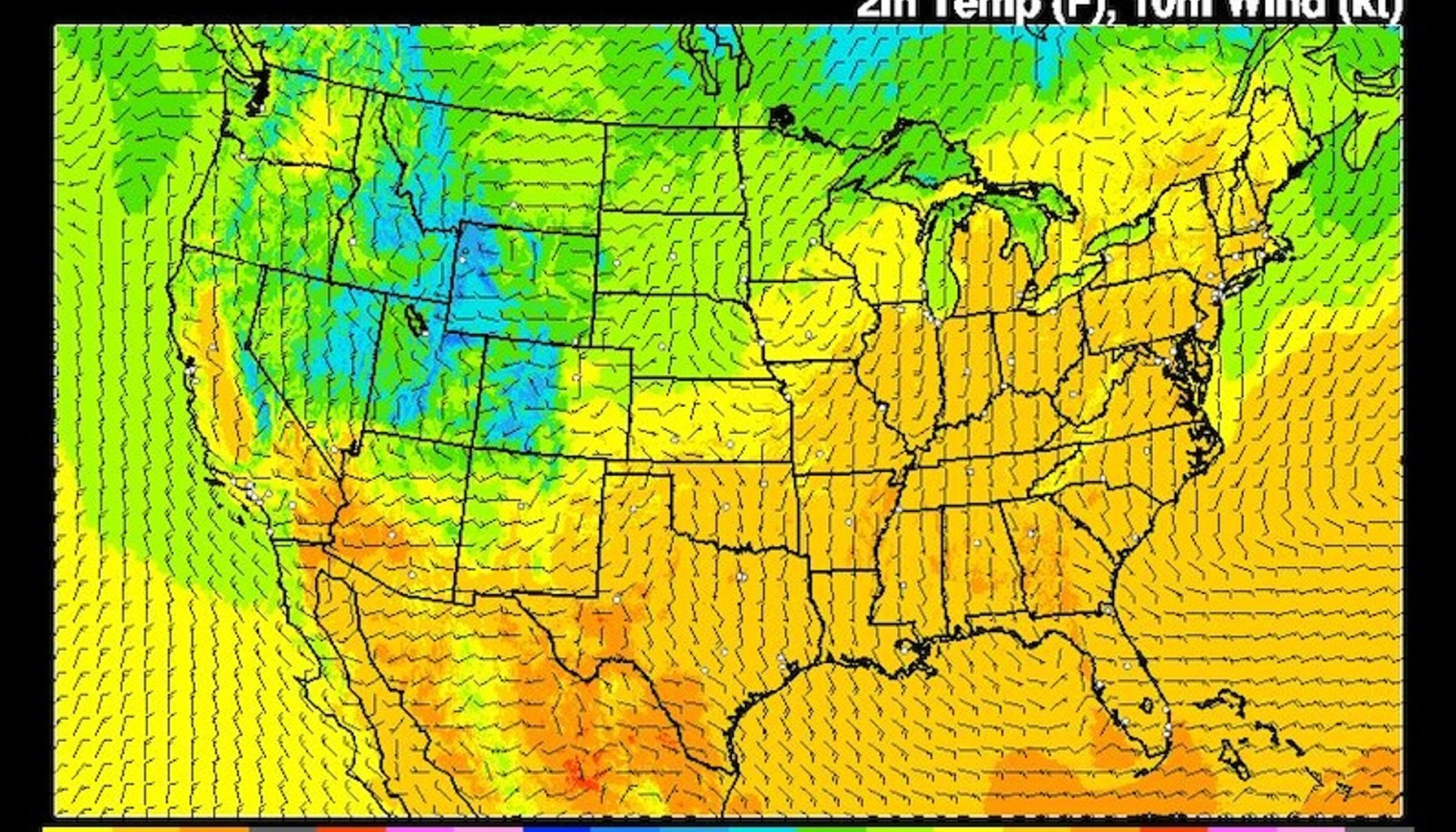
Weather forecasts nearly shut down the factory floor last quarter.
A quiet, often overlooked input is emerging as the real make-or-break factor in modern automation: weather intelligence. A recent analysis from Robotics & Automation News argues that cutting-edge control systems, autonomous robots, and smart logistics all hinge on steady, relevant environmental data. Without it, even the most well-tuned cell can wobble, misread, or halt—despite gleaming demos and shiny dashboards. The piece positions weather data as the hidden dependency that separates lab-scale success from real-world deployment pain.
Production data shows that environmental conditions ripple through every layer of automation. Humidity, dust, ambient temperature, and even shifting barometric pressure can influence sensor accuracy, adhesive cures, paint finishes, and the reliability of vision-based systems. When weather streams aren’t integrated into the control loop or predictive models, the system’s assumptions go out of date the moment a storm rolls in or a heatwave hits the line. Integration teams report that weather inputs must be synchronized with PLC logic, MES data, and machine-learning predictors to prevent drift that erodes cycle time and yield over a shift.
Floor supervisors confirm that the hardware footprint of weather-aware automation isn’t invisible. In a typical deployment, planners must carve out space for edge devices or a small on-site data hub, provide dedicated power and network lines, and ensure backup power for weather data streams during outages. Operators need training hours to interpret weather-derived cues and understand when to override a suggestion or when to trust a system readout. The article emphasizes that the best results come from cross-functional teams—mechanical, electrical, IT, and production operators—working together to translate weather signals into actionable maintenance and process adjustments.
Tasks that still require human workers aren’t going away, even with weather intelligence. Floor supervisors confirm that human judgment remains essential for exceptional anomalies, quality decisions, and line balancing when weather indicators point to potential reliability risks. The system can flag a trend or forecast a risk, but frontline staff decide how to re-schedule a batch, allocate maintenance slots, or switch to an alternative process. In practice, weather data changes the timetable, not the fundamental need for skilled oversight in a complex cell.
Hidden costs vendors don’t mention upfront are creeping into many initial rollouts. Integration teams report that licensing weather feeds, cloud compute, and edge infrastructure adds ongoing operating expenses beyond the upfront capex. There are calibration cycles, model retraining after seasonal shifts, and periodic retraining for operators to stay current with evolving weather-aware decision logic. ROI documentation reveals that the total cost of ownership can stretch beyond the initial budget if these factors aren’t planned from day one.
The core takeaway from the weather-intelligence argument isn’t a single number or a slam-dunk payback figure. It’s a disciplined reminder: environmental realism matters. The routines that look impressive in a demo can crumble in a factory if weather inputs aren’t accounted for in control logic, maintenance planning, and operator readiness. As the industry digests this perspective, pilots are likely to increasingly pair weather data streams with automation platforms, aiming for uptime resilience rather than slick visuals.
What to watch next, from a practitioner’s standpoint: start with a narrow weather-informed pilot in a single cell that handles a repeatable process; measure downtime, scrap, and cycle time with and without weather inputs to establish a baseline. Map integration requirements early—edge devices, network topology, and operator training hours should be charted as part of the project plan. Plan for two to three review gates during rollout to adjust maintenance windows and process setpoints in response to observed weather signals. And expect hidden costs to surface in licensing, data egress charges, and ongoing model maintenance if you don’t budget for them upfront.
In the end, the newsletter’s thesis lands with a blunt clarity: automation isn’t just a matter of more sensors or smarter robots. It’s weather-aware orchestration—the difference between a cell that hums and one that stops on a cloudy day.
- Why Automation Systems Fail Without Weather Intelligenceroboticsandautomationnews.com / Source role not classified / Published APR 10, 2026 / Accessed APR 12, 2026