Weather Data: The Hidden Bolt in Automation
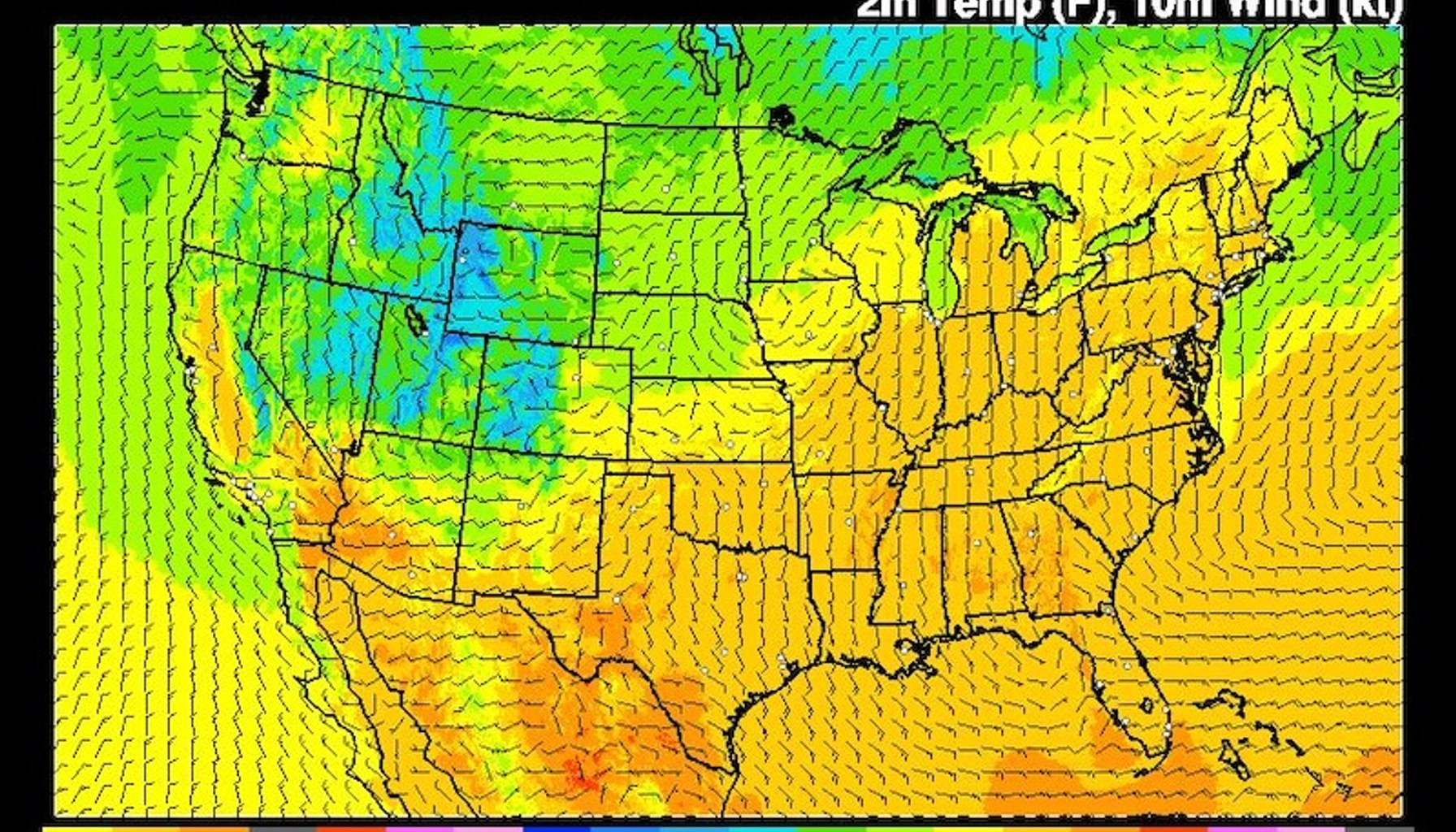
Weather data is the unseen voltage keeping automated lines alive. A growing chorus in manufacturing circles argues that automation systems fail not for lack of sensors or fancy robots, but because they never get weather right.
Production data shows that the smartest automation suites assume a perfectly predictable environment. In reality, environmental drift—sun glare, humidity, dust, rain, wind—acts like a slow-acting fault injector. Cameras lose contrast, lidars misread rain spray, conveyors slip on slick floors after a storm, and machine-learning models drift when weather patterns change. The result is degraded perception, misaligned picks, and, ultimately, unplanned downtime that can erode even well-planned ROI.
Integration teams report that the missing ingredient is weather intelligence wired into the control loop. It’s not enough to have climate data in a dashboard; the data must be timely, localized, and wired to the cells that actually make decisions. Floor supervisors confirm that when outdoor or semi-outdoor cells run without weather-aware logic, there’s a familiar cycle: hesitation at the teach pendant, a jittery robot, a jam that appears out of nowhere, and a scramble to patch the model rather than the process. The hidden dependency isn’t a single sensor; it’s the entire chain that turns environmental inputs into actionable control signals.
The shift is altering how automation projects are scoped and funded. ROI documentation reveals that the sweet spot isn’t flashy demos but sustained uptime, reduced waste, and smoother handoffs between autonomous systems and human operators. Vendors are being pressed to show weather-readiness as a core spec, not a post-install add-on. Integration teams stress that weather-aware automation can’t be an afterthought: it requires data feeds, edge devices, and local processing near the cell to minimize latency, plus robust data governance to prevent stale or conflicting weather signals from sabotaging decisions.
Two hard lessons stand out for practitioners. First, weather data is only as good as its provenance. Low-latency feeds, calibrated sensors, and redundancy across platforms matter as much as the mechanical reliability of the cobot or AGV. Second, the system must be designed with failure modes in mind: when weather data blips, does the cell gracefully slow down, switch to a conservative mode, or alert a human operator? The best deployments bake these contingencies into the control logic rather than relying on a single data stream.
What still requires human workers, and why, is twofold. First, weather-driven changes demand continuous model upkeep: as patterns shift with seasons or climate anomalies, predictive models must be retrained and validated. Second, operators and maintenance technicians must understand how weather signals influence decisions so they can spot when the automation is behaving oddly and intervene before a fault becomes a scrap job. In short, weather intelligence shifts some tasks from “blind automation” to “contextual automation”—but it does not erase the need for people to interpret and act when conditions merit it.
Hidden costs vendors rarely mention upfront include the subscription or licensing for high-quality weather data, integration engineering hours, and ongoing staff training. Floor space and power infrastructure must be planned to support edge devices and local data processing, not just the robots themselves. If you’re buying a turnkey cobot cell for outdoor use, you’re really buying a weather-aware system that happens to have arms.
Industry observers say the payoff is real when weather intelligence is treated as a first-order requirement, not an afterthought. The conversation is shifting from “can we do this?” to “how will our weather-aware automation pay back in uptime, quality, and throughput?” The data reflects a simple truth: if the environment isn’t accounted for, even the best automation will stumble.
- Why Automation Systems Fail Without Weather Intelligenceroboticsandautomationnews.com / Source role not classified / Published APR 10, 2026 / Accessed APR 12, 2026