Weather Intelligence Hidden Key to Automation Success
By Maxine Shaw
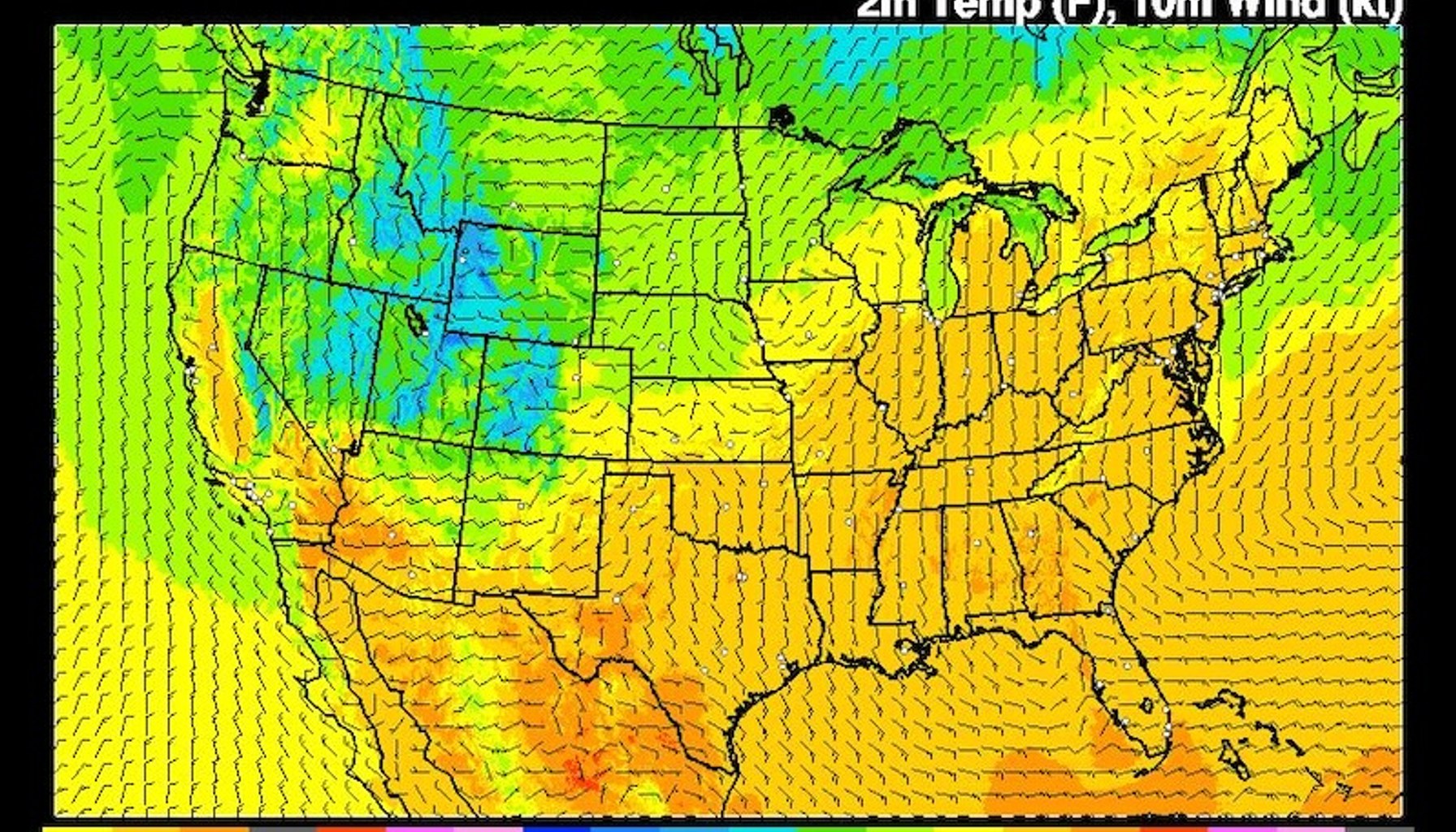
Image / roboticsandautomationnews.com
Weather changes break factory automation—unless plants plan for it.
Automation systems are celebrated for precision and predictability, but the new story in automation isn’t just about sensors and machine learning models. Production data shows a quiet but decisive dependency: weather. The article examines how environments—temperature swings, humidity, dust, and precipitation—shape the reliability of autonomous cells, conveyors, and even warehouse logistics platforms. When weather isn’t factored into the data stream, a clever robot can stumble, and the entire line can drift out of spec long before a KPI door opens or a maintenance ticket lands on a supervisor’s desk.
The core argument is simple: weather intelligence isn’t optional garnish. It’s a live data feed that informs everything from path planning and grip strength to energy usage and preventive maintenance windows. Integration teams report that the most resilient deployments treat weather as a first-class data source, not an afterthought tucked in with environmental monitoring. Floor supervisors confirm that when climate conditions are monitored in real time and tied to control loops, the system responds with fewer jams, fewer reworks, and less variance in cycle times. Operational metrics show that plants with weather-aware automation move with greater confidence through seasonal shifts, coil changes, and outdoor or partially sheltered processes.
Crucially, the article emphasizes the real-world cost of ignoring weather inputs. It’s not just about occasional nuisance faults; it’s about creeping drift in process parameters that detectors, cameras, and ML models misinterpret. The hidden dependency becomes visible when a change in humidity alters adhesive properties, or when a misting routine in a production line creates condensate on sensors and triggers false positives. In those moments, the “smart” system isn’t failing—it’s blind to its environment. This is the kind of failure that isn’t cured by a firmware patch or a vendor demo; it requires a deliberately designed weather- aware architecture that treats climate signals as a fundamental data feed.
Two or three practitioner truths emerge from the discussion. First, weather data must be integrated where decision-making happens. Edge devices and local sensors should be positioned to feed the control system with timely weather context, not relegated to a separate, opaque appendix. Second, data quality and latency matter. If forecasted conditions arrive two minutes after a decision point or come from an unreliable feed, the automation’s responsiveness degrades. Third, implementation requires cross-functional coordination. OT, IT, and EHS teams align on data governance, calibration procedures, and response playbooks so that weather shifts translate into concrete actions—adjusting cycle times, altering staging sequences, or triggering preemptive maintenance. And fourth, there are hidden costs vendors rarely list up front: the ongoing need for data-cleaning, model retraining, and the hardware footprint to host weather analytics without compromising safety or uptime.
Integration realities also show up in the housekeeping of the deployment. Any weather-aware cell or line needs space for ruggedized gateways, reliable power sourcing, and a small, trained team to monitor and tune the data streams. Training hours, while not vast in every site, compound across OT and IT staff as dashboards become the nerve center for weather-informed decisions. Without that investment, a weather feed is just another sensor that gathers dust rather than a lever that improves throughput.
In a market racing to turn cobots and smart conveyors into predictable assets, weather intelligence floors the conversation from “seamless” promises to “operationally robust.” It’s not a gimmick; it’s a discipline—one that turns climate awareness from a risk to a measurable driver of uptime and cycle stability.
Sources
Newsletter
The Robotics Briefing
Weekly intelligence on automation, regulation, and investment trends - crafted for operators, researchers, and policy leaders.
No spam. Unsubscribe anytime. Read our privacy policy for details.