What we’re watching next in ai-ml
By Alexander Cole
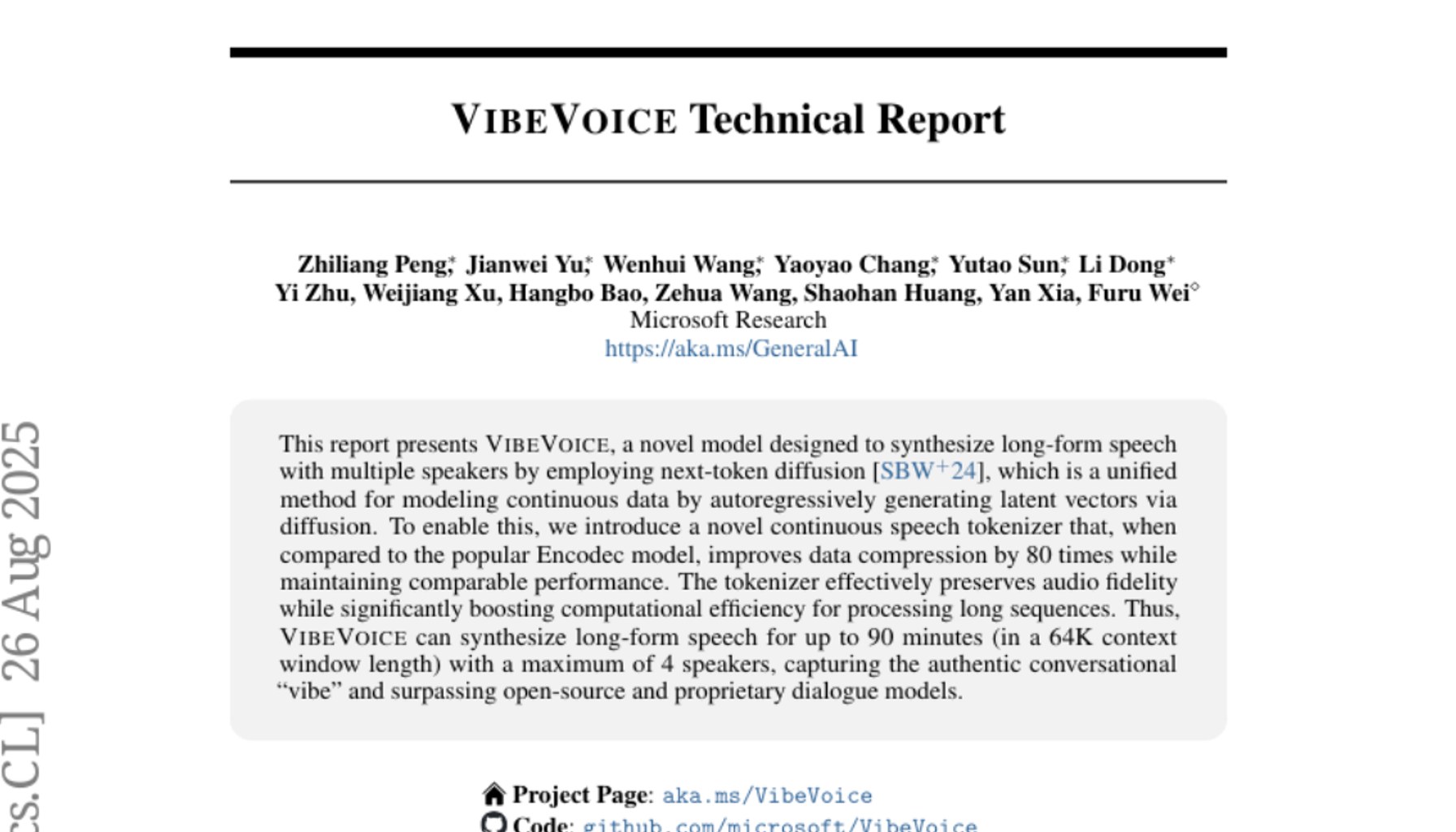
Image / paperswithcode.com
Benchmarks just outpaced the hype.
A triad of sources—arXiv’s cs.AI submissions, Papers with Code, and OpenAI Research—signal a quiet but real shift: researchers are chasing evaluation integrity and efficiency as the main driver of progress, not just flashy demos or bigger models. The paper-and-dataset treadmill is becoming crowded with efforts to standardize metrics, document ablations, and push compute-aware improvements. In short: the industry is moving from “look what it can do” to “how reliably and cheaply can it do it at scale.”
This isn’t about a single model or a single firework demo; it’s about a culture shift in how breakthroughs are measured and reported. OpenAI’s recent research cadence emphasizes alignment, safety, and efficiency—areas that have historically lagged behind raw performance but are increasingly foregrounded as practical requirements for deployment. Meanwhile, arXiv submissions show a growing interest in evaluation methodology, robustness, and reproducibility, suggesting that the community wants apples-to-apples comparisons and fewer cherry-picked stories. Papers with Code continues to surface new baselines and leaderboards, reinforcing a transparency-by-default trend: if you publish a result, you’re expected to expose the evaluation setup, data splits, and ablations.
For practitioners, the implication is concrete: faster iterations will come not only from training bigger models but from smarter evaluation pipelines and more transparent reporting. Expect more ablation-heavy papers that separate architectural gains from data curation, optimization tricks, or training routines. Expect to see more emphasis on safety and alignment as first-class metrics alongside accuracy and throughput. And expect a constant tension between “better benchmarks” and “real-world reliability” to drive product decisions, especially for startups balancing time-to-market with governance.
2–4 concrete practitioner insights you can sanity-check today:
What we’re watching next in ai-ml
Sources
Newsletter
The Robotics Briefing
Weekly intelligence on automation, regulation, and investment trends - crafted for operators, researchers, and policy leaders.
No spam. Unsubscribe anytime. Read our privacy policy for details.