What we’re watching next in humanoids
By Sophia Chen
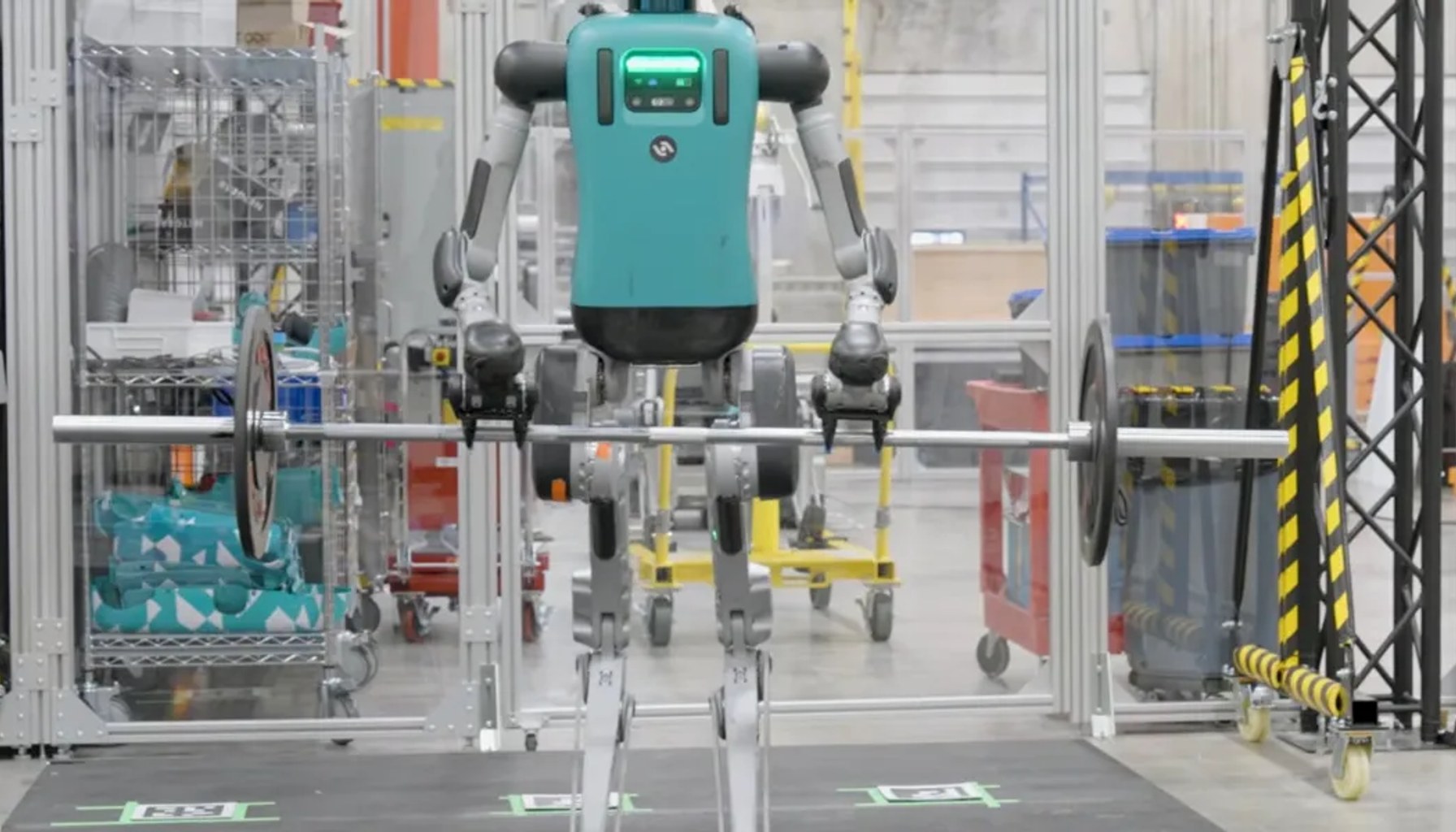
Image / spectrum.ieee.org
Humanoids finally move beyond demos—into real tasks.
A wave of lab-to-field momentum is rippling through humanoid robotics, not as a single blockbuster reveal but as a steady shift in what engineers publish and test. IEEE Spectrum Robotics, The Robot Report, and Boston Dynamics are collectively flagging a trend: more capable joints, more autonomous handling, and longer endurance—not just flashier videos. But the data trail remains ambiguous on exact DOF tallies and payloads, which tells you where the noise ends and the hard work begins: the math of real-world reliability.
What’s changing isn’t just that robots are standing up again; it’s that they’re doing more with their bodies. Demonstration footage shows prototypes that can walk varied terrain, reach and grasp multiple object types, and operate tools in controlled environments. Engineering documentation reveals a push toward higher degrees of freedom and more nuanced manipulation to cope with unstructured tasks. The emphasis is moving from “can stand and balance” to “can plan around clutter, pick up a range of items, and complete sequences with some autonomy.” That shift points toward a set of capabilities that could translate into more usable interim robots for industrial and service contexts—provided the kinks are worked out.
The practical read across these reports remains anchored in familiar constraints. First, field readiness is still rare. The consensus across outlets is that the most robust demonstrations live in lab or semi-controlled settings, where observers can predict ground truth and maintain safety margins. Second, power and heat remain stubborn bottlenecks. Even as actuators grow more capable, battery density, thermal management, and weight budgets keep runtimes modest when you add manipulation, perception, and autonomy to a walking platform. Third, perception and manipulation continue to be the two biggest unknowns in real-world scenes: clutter, lighting, and objects that aren’t “graspable” by a rigid end effector tend to trip the best planned trajectories.
Compared to earlier generations—think early walk-and-pick demonstrations—this phase shows more integrated behavior. The latest generation emphasizes tighter coupling among locomotion, perception, and manipulation: foot placement informs grasp planning; sensor fusion helps correct balance mid-task; control loops become more adaptive in the face of disturbances like a slippery floor or a misplaced box. The improvement isn’t just hardware; it’s better software architecture for autonomy and a more holistic approach to task planning.
On power and hardware specifics, the current public chatter highlights battery packs and sometimes tethered power in development stages. Runtimes, charging strategies, and payload torque are rarely published in precise terms, which leaves room for careful interpretation: the tradeoffs between heavier payloads and shorter run times are being navigated in lab tests, with many teams prioritizing reliability and protective measures over sprint-like performance. In short, the current wave is about making existing bodies do more tasks with fewer catastrophic failures, rather than delivering a single, leapfrog spec bump.
What we’re watching next in humanoids
These expectations map to a practical roadmap: push the autonomy stack, tighten the integration of gait with manipulation, and demonstrate repeatability outside pristine labs. The path from demo to deployment remains non-linear, but the signal is clear—humanoids are becoming more than stage props; they’re inching toward workable real-world tasks, one credible test at a time.
Sources
Newsletter
The Robotics Briefing
A daily front-page digest delivered around noon Central Time, with the strongest headlines linked straight into the full stories.
No spam. Unsubscribe anytime. Read our privacy policy for details.