Xiaomi's CyberOne Enters Factory Assembly Tasks
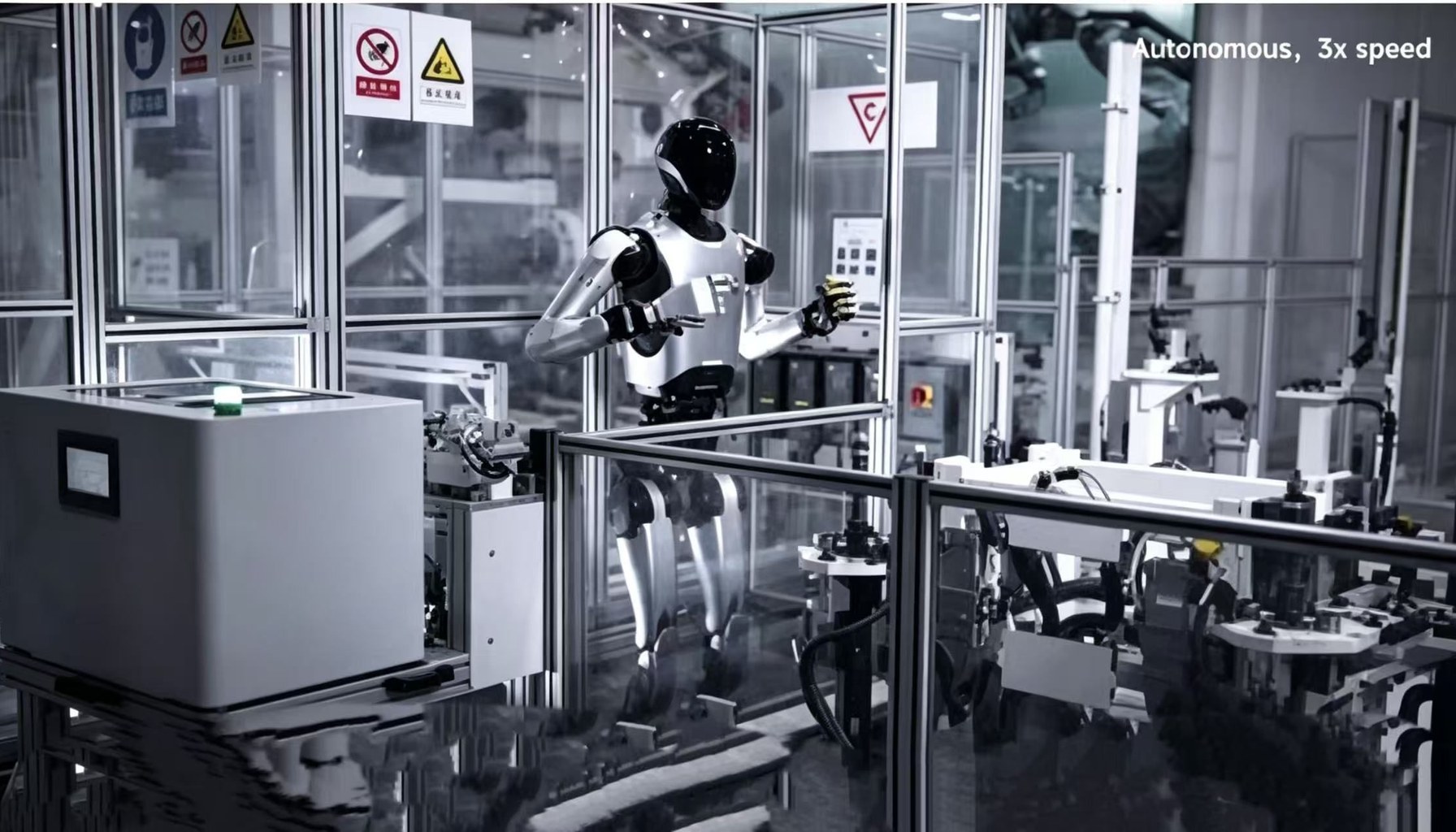
A humanoid robot just tightened screws on a real production line.
In March, Xiaomi founder Lei Jun released videos showing CyberOne performing basic assembly tasks in a factory setting, including handling and installing self-tapping screws at a workstation. The demonstrations mark a shift from glossy reveal videos to visible, repeated tasks in an industrial context, suggesting Xiaomi is pushing toward practical, if still limited, automation on the shop floor. The robot’s work is described as continuous and structured, a hallmark of current humanoid pilots that excel at repetitive, predefined workflows rather than agile, unscripted assembly.
CyberOne’s debut came in 2022, but public updates have been sparse for years. The latest footage indicates the device is moving from concept validation toward real-world utility, at least on narrowly scoped tasks. Industry observers note that humanoid robots are still in the early testing phase across manufacturing, with a few players pursuing multi-task capabilities and broader deployment, but most pilots remain tethered to fixed routines and secured workstations. Xiaomi’s approach—starting small, with repetitive operations such as screw fastening—mirrors a broader preference in China’s robotics ecosystem: prove reliability on routine steps before attempting full line integration.
Mandarin-language reporting indicates Xiaomi has built out a more comprehensive humanoid robotics supply chain, spanning components, dexterous hands, and AI models. The company’s robotics unit, in particular, has been integrated into its automotive division since 2024, with ongoing trials inside factory environments. This structural shift underscores a broader industry pattern: device-makers stacking robot capabilities into adjacent high-value verticals (factory automation and automotive) to leverage shared hardware, software, and data pipelines.
What this means for Chinese manufacturing and global sourcing is twofold. First, the emphasis on repetitive, high-volume tasks a humanoid can handle—like screw installation—could shave cycle times on certain operations, provided the robot’s tooling and perception stay within predefined workflows and the line remains stable. Second, Xiaomi’s progress signals a more integrated, domestic robotic ecosystem that can feed into auto and electronics supply chains without immediately relying on foreign luminaries for core tech. In practice, this means potential efficiency gains in provinces with mature automation ecosystems, where a handful of suppliers can feed the entire value chain from actuators to AI software.
Two practitioner-level implications stand out. One: the current value proposition hinges on reliability and uptime in structured environments. The CyberOne demos show the robot executing a repetitive task—self-tapping screw insertion—without evident ad-libbing or handling complex tool changes. For factory managers, the key question is whether such a humanoid can sustain production demands, manage inevitable jams or misfeeds, and quickly switch to alternative tasks without substantial reprogramming. Two: ROI hinges on deeper line integration. Early-stage pilots are cheap to test, but scaling requires robust integration with fixtures, tooling, and human-robot collaboration protocols. Xiaomi’s regional advantage—owning both the robot and its component ecosystems—may shorten the path to on-site adoption, yet manufacturing leaders will watch for multi-task capabilities and true plug-and-play interoperability across lines.
As Xiaomi eyes broader deployment, watchers should monitor whether CyberOne moves beyond fixed, repetitive steps to more versatile actions—machine tending, part picking, and tool-dense operations—without sacrificing safety and reliability. If Xiaomi can demonstrate dependable multi-task performance on standard lines, the race among humanoid players could accelerate, pressuring suppliers and OEMs to tighten modularity and raise the bar for on-floor autonomy.
- Xiaomi Showcases CyberOne Humanoid Robot in Factory Assembly Taskspandaily.com / Source role not classified / Published APR 16, 2026 / Accessed APR 16, 2026