AI Agents Make Co-Folding End to End at Scale
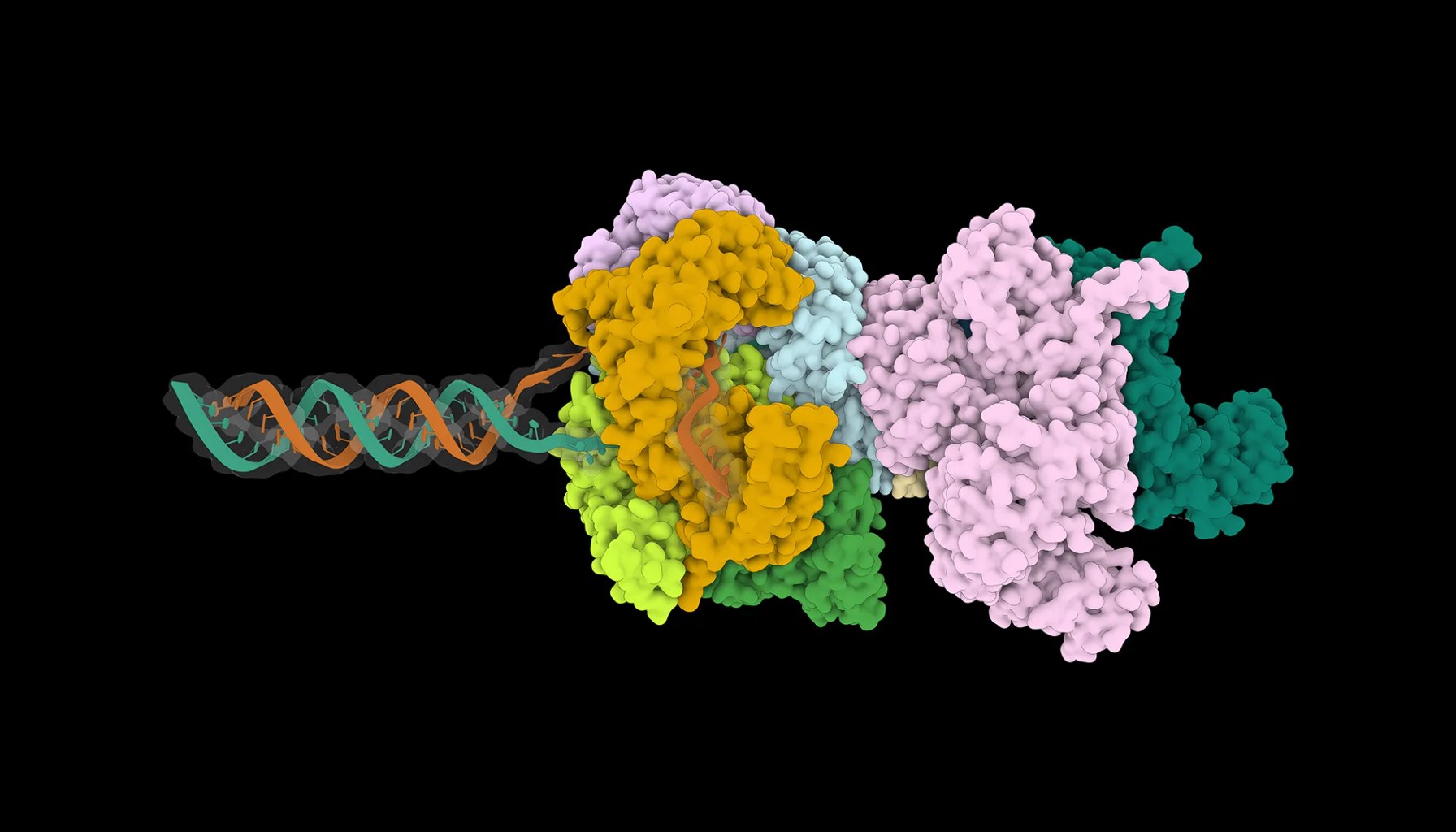
Image / NVIDIA Developer Blog
AI agents run end-to-end co-folding at scale. The NVIDIA BioNeMo Agent Toolkit is moving biomolecular design from a patchwork of scripts to a coordinated, multi-GPU pipeline that tackles every step in one orchestration: fast MSA generation, fast co-folding inference, serving, and scalable compute distribution. The ambition, the team reports, is to push end-to-end throughput high enough to keep pace with modern structure prediction workflows that already rely on models like OpenFold3.
Biomolecular structure prediction and co-folding have grown from niche experiments to mainstream workloads powering drug discovery and protein design. The paper shows that when you wrap the entire pipeline in a single AI agent, the steps no longer sit in silos, waiting on another team or another compute silo. OpenFold3 is highlighted as a representative model that benefits from the end-to-end approach, with BioNeMo managing task handoffs, data movement, and multi-GPU coordination so that each stage can run at scale without repeated hand tuning.
From the engineering lens, the core insight is simple but powerful: performance bottlenecks move. In traditional setups, researchers chased speed in a single stage, but the agent toolkit reframes the bottleneck as the pipeline as a whole. The team reports that aligning MSA generation, co-folding inference, and serving under a unified scheduler reduces developer friction and improves utilization across accelerators. In practical terms, labs can push more concurrent design tasks through the system, expanding the cadence of hypothesis testing in drug discovery programs.
Two concrete practitioner tensions emerge from the description. First, the MSA generation stage remains a primary constraint on end-to-end speed. MSAs are data-heavy, and without rapid, scalable generation, downstream co-folding cannot keep up. Second, orchestration across multiple GPUs introduces memory and bandwidth demands that complicate factorization of work into perfectly balanced chunks. The BioNeMo toolkit is built to mitigate this by coordinating batched inference, streaming results to serving endpoints, and scaling out across GPUs, but teams must still design their workflows with memory budgets and interconnect topology in mind.
Those constraints feed a broader tradeoff calculus. Speeding up end-to-end co-folding often means increasing memory footprint and interconnect traffic, which can raise costs and tail latency if not managed carefully. Efficient caching and smart batching help, but they introduce potential risks of stale results or drift if the data or models change during long-running campaigns. The article’s framing suggests the toolkit is best viewed as a workflow optimizer first, with gains arriving as the pipeline remains fed with fresh MSAs and as inference workloads remain well-timed to GPU capacity.
Looking ahead, the industry takeaway is clear: end-to-end agent orchestration is becoming a practical path to industrialize biomolecular work. Labs should watch for broader support across more folding and design models, deeper integration with data-prep stages, and refinements in scheduling policies that adapt to diverse hardware footprints. If these improvements land, the pipeline could become a standard capability in drug discovery toolkits, turning what used to be a multi-team, multi-tool sprint into a single, scalable design loop.
- Accelerating End-to-End Co-Folding Performance with NVIDIA BioNeMo Agent ToolkitNVIDIA Developer Blog / Primary / Published JUL 10, 2026 / Accessed JUL 11, 2026