AI in Agriculture Promises Yields, But Data Holds It Back
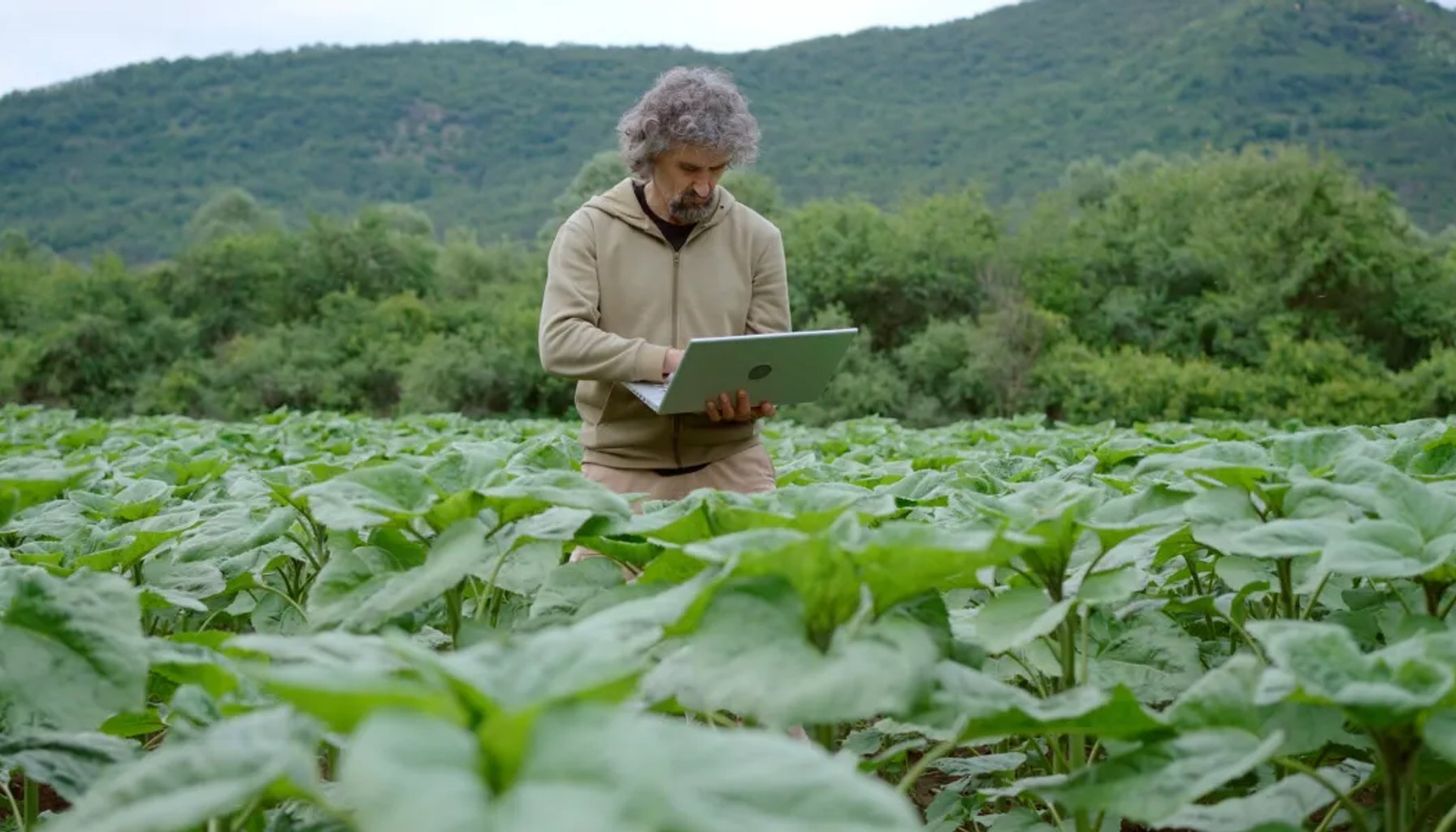
Image / MIT Technology Review
Dirty data is the real bottleneck for AI in farming. The Technology Review paper shows AI enabled predictive models can improve crop yield by 26%, reduce water use by 41%, and cut chemical usage by 33%. Those numbers glow with potential, but they hinge on a clean, complete data foundation that is often missing in the field. Agriculture is under pressure from volatile fertilizer costs, unpredictable weather, and razor-thin margins, yet the promise of smarter irrigation, better pest management, and smarter planting remains tantalizing. The catch is that without trustworthy data, the best algorithms become louder than wiser.
The core problem is not the models themselves but what feeds them. In practice, farmers wrestle with data that is incomplete, inconsistent, or siloed across disparate systems such as soil sensors, irrigation controllers, weather feeds, and historical crop records that do not line up in time or format. The paper shows that when historical data is messy, a yield forecast can swing with the weather of a single season rather than reflecting true agronomic signal. When a precision irrigation system draws on fragmented sensor data, water decisions can waste resources instead of saving them. In short, AI hallucinates not in a science fiction sense but in a pragmatic, costly way, and outputs look confident yet are not trustworthy enough to guide action.
The piece also reveals a tension that product teams and farmers will recognize. Vendor conversations in agriculture often lead with grand promises such as real-time crop health monitoring, irrigation optimization, ridge-to-row yield gains, without asking whether the underlying data is ready for prime time. The team reports that when the data foundation is not accurate and complete, the risk is higher than wasted cycles. It becomes a liability if an AI recommendation drives a bad decision. A yield model trained on patchy records or a sensor network with blind spots will generate outputs that seem authoritative but misdirect farmers at critical moments.
From a practitioner standpoint, there are several concrete constraints and tradeoffs to watch. First, data governance and standardization matter as much as model design. A robust data platform must stitch together heterogeneous inputs into a coherent temporal picture, with explicit provenance and confidence estimates. Second, investments in data quality pay off in days, not years: reliable labeling, sensor calibration, and consistent weather data feeds reduce the chance that a model's insight is actually an artifact of bad inputs. Third, expectations should be calibrated against the engineering reality of deployment: edge devices, latency, and compute budgets influence how often models run and how quickly decisions must be made. Finally, partnerships and data-sharing arrangements will shape what's possible; without agreed schemas and transparent data lineage, many promising solutions will struggle to scale beyond a single farm or region.
In the end, AI's real value in agriculture will emerge when engineering disciplines such as data quality, pipeline reliability, and clear, interpretable outputs are treated as the gating factors, not afterthoughts. The data problem is not a nuisance to fix later; it is the design constraint that determines whether AI delivers measurable, durable improvements in yield, water use, and chemical load. As the sector weighs big promises against the realities of on-the-ground data, the lesson is blunt: AI can help, but only if the data foundation is trustworthy from the first mile to the last.
- Agriculture is ready for AI, but its data isn’tMIT Technology Review / Mainstream / Published JUN 30, 2026 / Accessed JUN 30, 2026