AI RAM Shortage Sends SSD Prices Soaring
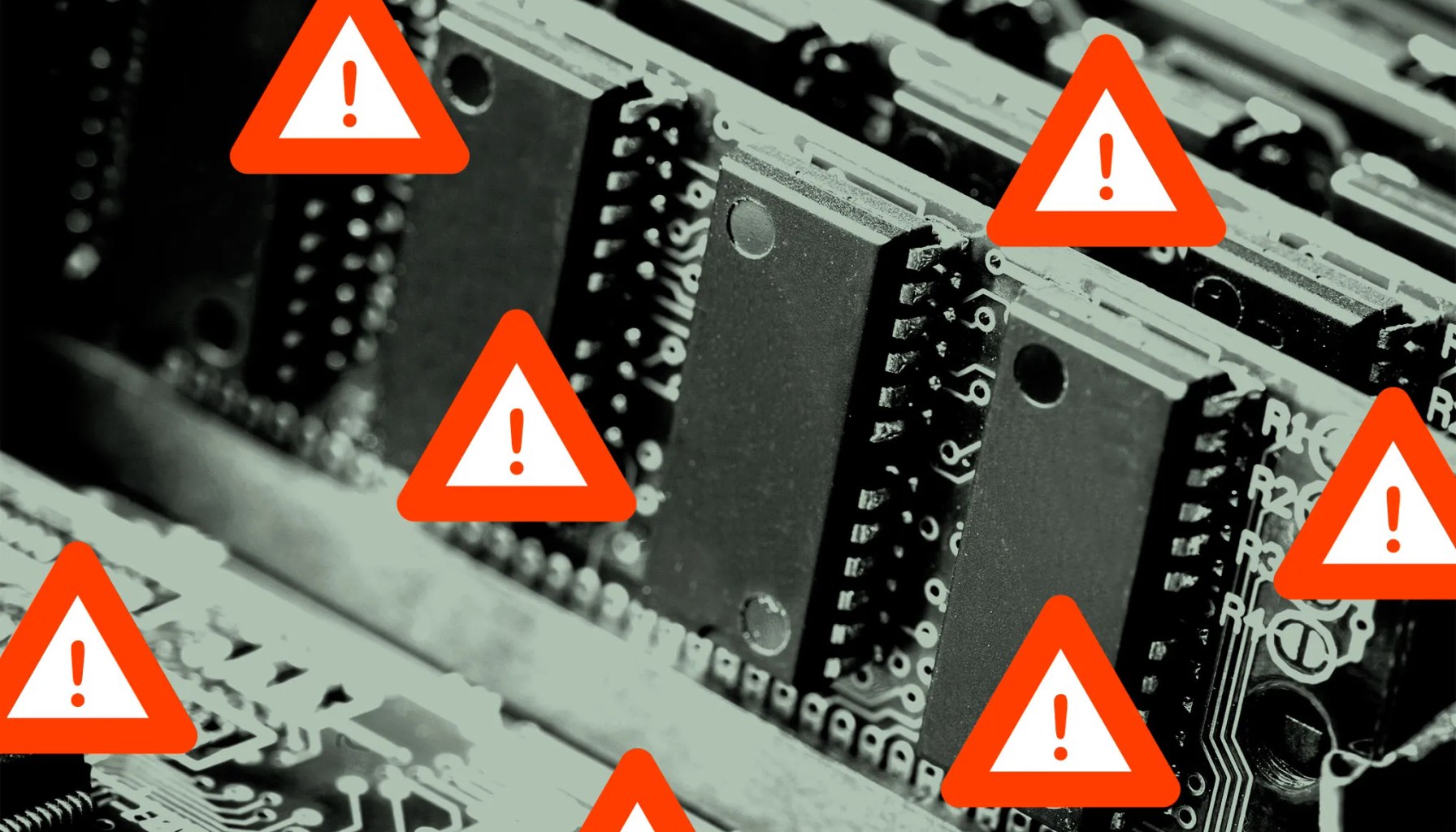
AI demand has memory markets in a chokehold, and consumer SSDs are paying the price.
The Verge reports a sharp, global squeeze on memory components driven by artificial intelligence workloads, and the ripple effect is a surge in SSD prices across the board. The most telling example: the WD Black SN850X 2TB drive, which cost about $173 in 2024, is now trading around $649. That jump is not an isolated blip—memory and storage prices are climbing in tandem as AI-era demand tightens supply. In the same span, the Samsung 990 Pro 4TB, once around $320, is creeping toward the $1,000 mark, a level that would have sounded like fantasy a year ago.
The price pressure isn’t limited to high-end PCIe Gen4/Gen5 SSDs. External drives aren’t spared either. SanDisk-branded external SSDs reportedly endured a roughly 200% price hike at Apple’s retail channels in March, underscoring how the squeeze is cascading through consumer shelves, not just the enthusiast-grade segment. And the pain isn’t contained to hard drives and internal drives alone: Sony reportedly paused orders for SD and CFexpress cards, signaling broader jitters in the memory-card ecosystem as prices and availability tighten.
What’s causing this? The Verge frames it as an “AI RAM shortage”—a shorthand for tighter supply of the DRAM and NAND memory that underpins both RAM and SSDs, fed by surging AI training and inference needs. The upshot for shoppers is simple but painful: the cost per gigabyte is climbing, and the window to upgrade or expand storage at a reasonable price is closing faster than many anticipated.
For everyday buyers, the implications are real. Upgrading a PC’s storage has always been a balance between performance, capacity, and price. When the price per gigabyte spikes, the most obvious choice—buying the maximum you can reasonably afford today—becomes less appealing than waiting for stabilization. But “wait for stabilization” is a gamble in this market, where supply constraints and demand momentum can persist for months.
Two concrete, practitioner-level takeaways stand out from the current moment:
Who should buy, who should wait, and what’s the obvious alternative? If you absolutely need extra storage now and can stomach higher prices, buying remains viable—but approach the market with realistic expectations about what constitutes a fair deal in this moment. If your storage need isn’t urgent, patience could pay off if the supply tightness eases. In the meantime, the obvious alternative to paying a premium for the top-end drives is to select a capacity tier that aligns with current pricing and performance needs, rather than chasing peak performance at peak prices.
Bottom line: AI-driven demand has scrambled the memory market, and SSD prices have followed. Expect volatility to persist as manufacturers and supply chains rebalance, and plan storage upgrades with a healthy dose of caution.
- The AI RAM shortage is also driving up SSD pricestheverge.com / Source role not classified / Published APR 08, 2026 / Accessed APR 08, 2026