FCC robot ban could squeeze future Roombas, Shark gains an opening
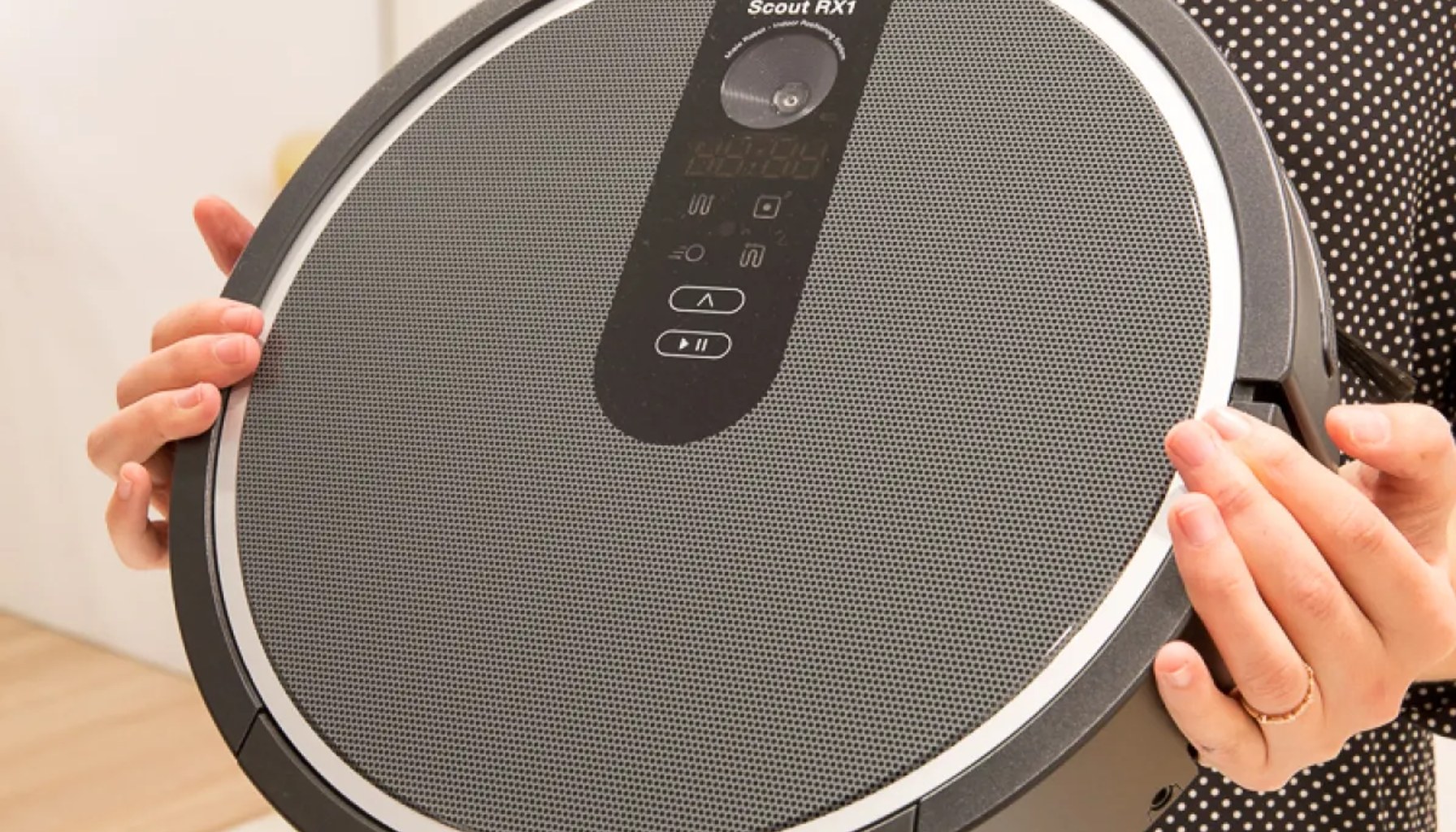
Image / cnet.com
The FCC’s new national-security update reaches beyond humanoids, covering many autonomous home robots — including most robot vacuums — while leaving existing models alone.
What the FCC changed
The Federal Communications Commission issued an update clarifying how its Covered List restrictions apply to “advanced robotic devices,” a category that now includes autonomous robots “capable of locomotion, obstacle avoidance, navigation or movement on the ground.” That language is broad enough to sweep in household devices such as robot vacuums, pool-cleaning robots, robotic lawn mowers and other mobile machines.
The rule also hinges on size and capability. The device and its ground station or dock must weigh more than 4.4 pounds, and the machine must use sensors, software and network connectivity. That combination describes most mainstream robot vacuums on the market today. Light toy-like devices, such as SwitchBot’s AI pets, are too light to be included.
The practical effect is that new foreign-produced advanced robotic devices are generally prohibited from receiving FCC authorization to be imported, marketed or sold in the U.S., according to the FCC’s own fact sheet. The agency says the action does not affect devices already purchased.
What gets caught in the net
For shoppers, the biggest surprise is that the policy is not limited to humanoid robots or industrial machines. FCC representatives confirmed to CNET that vacuum devices are covered in the latest updates. Digital Trends reported that the restriction also reaches future foreign-made Roombas and rival robot vacuums unless manufacturers secure Conditional Approval.
That matters because many big robot-vacuum brands rely on overseas manufacturing or foreign components. CNET cited iRobot, Eufy, Roborock and Dreame as brands that could face problems under the new framework. Tom’s Guide said the rule’s wording could also apply to connected lawnmowers and delivery robots.
The nationality test is broad. According to Digital Trends, the restriction applies to products made in any foreign country, not just China. The FCC fact sheet does not directly name China, though the broader update references Chinese autonomous systems.
Existing robot vacuums are safe
If you already own a Roomba or another robot vacuum, the FCC says you are not losing it. Previously purchased devices are not affected, and Digital Trends reported that previously approved models can continue to be imported, marketed and sold. The exemption also covers sales to and use by the federal government, including the military.
There is one important ownership-cost wrinkle: support may eventually shrink. CNET noted that customers could lose access to software updates, repairs or other support if manufacturers decide to leave the U.S. market. Digital Trends added that existing devices can continue receiving security, software, firmware and compatibility updates until at least January 1, 2029.
That means the device you buy today is likely to keep working, but long-term support could get shakier if a maker decides the U.S. is no longer worth the regulatory hassle.
Which brands are most exposed
iRobot is the headline name here, and not because the company is guaranteed to disappear from U.S. shelves. CNET reported that iRobot still considers itself an American company and keeps its headquarters in the United States, but its recent acquisition by Chinese supplier Picea could complicate future Roomba models in the U.S. A representative for iRobot did not immediately respond to CNET’s request for comment.
Other brands are also in the crosshairs. Digital Trends said Anker Innovations told the outlet its current U.S. products remain available and will continue to receive updates and customer support. Segway Navimow said its existing U.S. models already have FCC authorization and that the company is evaluating future compliance pathways, including Conditional Approval. iRobot said it is working with the FCC to understand the rule’s implementation.
Tom’s Guide noted that several companies may need waivers to keep manufacturing and selling advanced robotic devices in the U.S. if they cannot move production stateside. The same outlet said the FCC appears to care less about asking detailed security questions and more about where devices are designed, made, assembled and tested, plus whether companies commit to manufacturing in the U.S. instead.
What this means for prices and availability
The near-term result is not a warehouse purge. It is a future supply squeeze. Existing inventory can keep moving, but new launches may face a tougher path to U.S. shelves. If a brand cannot get Conditional Approval or some other regulatory accommodation, its next-generation robot vacuum may simply not make it here.
That could reduce choice for shoppers. Shark may be one of the few major brands with an advantage, according to CNET, because it focuses on assembling its robot vacuums in the United States. If that holds, Shark could become more prominent in a market where many competing models rely on foreign components or manufacturing.
For buyers, the ownership cost question becomes less about initial sticker price and more about the lifespan of support. A robot vacuum with a tempting discount is less attractive if the maker may struggle to sell replacements, provide parts or push software updates in the U.S. over the next few years.
Buy, wait, or skip?
If you are already shopping, the safest call is buy now if you want a foreign-made model, wait if you want more clarity, and skip panic.
Buy now if you have been eyeing a specific robot vacuum from a brand that depends on foreign manufacturing and you do not want to gamble on future availability. Existing devices are fine, but future model access may tighten.
Wait if you are not in a rush and want to see which companies secure Conditional Approval, shift production, or clarify their U.S. plans. The FCC’s update is new enough that the market response is still forming.
Skip panic because this is not a recall and not a ban on the robot vacuum you already own. It is a gate on future authorization. That distinction matters. Your current robot should keep cleaning. The real catch is that the next one might be harder to buy, and the cheapest long-term option may be the model from a brand that can actually keep selling — and supporting — its robots in the U.S.
- FCC Rule Banning Foreign Robots Could Sweep Up New Home Robot Vacuums - CNETcnet.com / Mainstream / Published JUL 30, 2026 / Accessed JUL 31, 2026
- The US foreign-made robot crackdown is coming for future Roombas toodigitaltrends.com / Mainstream / Published JUL 30, 2026 / Accessed JUL 31, 2026
- The US government just banned almost all robot vacuums — here's why (Update: companies respond)tomsguide.com / Mainstream / Published JUL 30, 2026 / Accessed JUL 31, 2026