Alibaba Debuts Qwen AI Glasses at $500
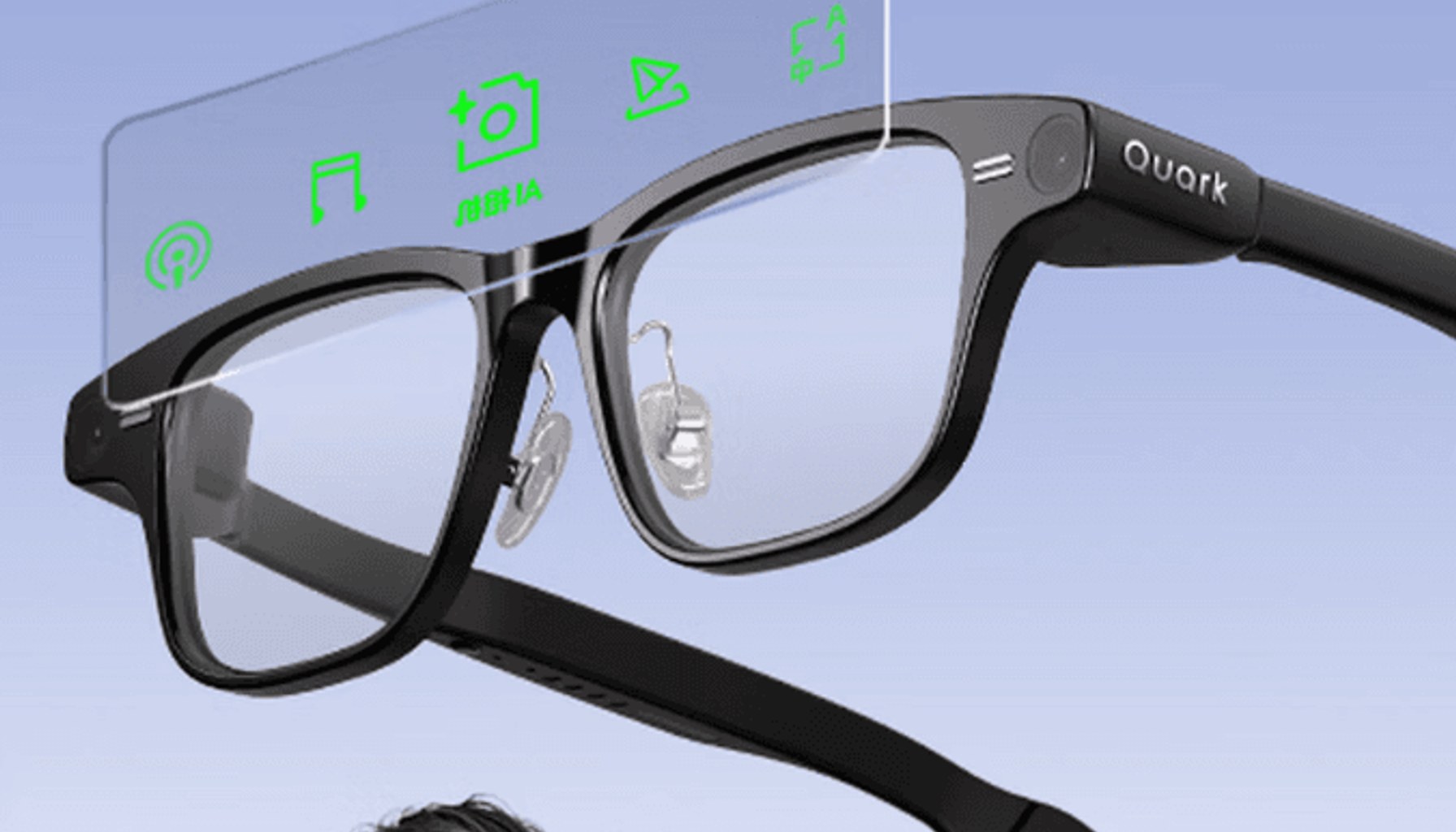
Alibaba's Qwen AI Glasses S1 hits the market at $500, turning AI eyewear from hype into reality.
Alibaba has launched the Qwen AI Glasses S1, a flagship AI wearable priced at RMB 3,499 after subsidies and promotions, with a USD-stated headline of about $500. The device is positioned as a mass-market entry into AI-assisted vision, built around multimodal interaction that fuses voice and vision. On paper it’s a straightforward consumer gadget—a pair of glasses with dual-eye displays, a 12-megapixel camera, and a hot-swappable battery system meant to extend usage beyond a typical day. The hardware stack relies on Qualcomm’s Snapdragon AR1 chip and includes 32GB of storage, underscoring the ongoing convergence of wearables and compute in China’s consumer electronics push. Availability is broad across major Chinese e-commerce platforms—Taobao, Tmall, JD.com, and Douyin—with same-day shipping offered in select cases, signaling Alibaba’s readiness to move AI eyewear through its expansive logistics network.
From a policy-aware lens, the price point signals more than a markdown: it represents a deliberate subsidy-driven strategy to seed an AI-augmented consumer category. Mandarin-language reporting indicates that subsidies and promotions are shaping consumer perception of value for AI wearables, nudging the product from “nice-to-have” to “everyday device.” In policy terms, this aligns with broader Chinese efforts to accelerate adoption of AI-enabled hardware where data capture and on-device inference can feed into local ecosystems. The S1’s price and distribution show how government incentives can be translated into a retail reality via e-commerce platforms and a platform operator with deep logistics leverage. For audiences watching China’s supply chain, the crucial takeaway is how subsidies ripple through the ecosystem: from component sourcing to end-customer delivery, and the data flows that accompany it.
What this means for manufacturers and supply chains is nuanced rather than simply celebratory. The Qwen S1’s tech choices—dual-eye displays, a 12MP camera, and a hot-swappable battery—reflect a design approach that emphasizes user experience and uptime. The AR1 processor from Qualcomm suggests the device leans on established, global supply chains for compute and camera modalities while leveraging China’s strength in integration, assembly, and user-service ecosystems. This creates a two-tier dynamic: established foreign silicon and module suppliers underpin the hardware, while domestic players handle system integration, product customization, and after-sales service. Supply-chain disclosures reveal the kind of collaboration that China’s factory floors are built for—tight integration with platform ecosystems, expedited fulfillment, and scalable after-market support.
Two practitioner-level insights stand out. First, this is a volume-oriented move, not a boutique launch. The RMB 3,499 price after subsidies is calibrated to drive mass adoption, relying on Alibaba’s logistical depth to overcome a typical high-cost barrier for AR wearables. That path pressures margins but compounds cross-sell opportunities across Alibaba’s services, from shopping to cloud and AI-enabled apps. Second, the hardware choices point to a staged timeline for China’s wearable AI ambitions. While AR1 provides solid on-device—and cloud-assisted—capability today, the long-run play likely hinges on domestic camera modules, micro-displays, and evolving in-house AI accelerators to reduce dependence on external silicon vendors. Watch for the evolution of the accessory and app ecosystem around Qwen: content partnerships, enterprise use-cases, and privacy controls that keep pace with rapid hardware adoption.
Industry watchers should also note the regulatory and trust layers that ride along with data-rich wearables. A device with a camera and perceptual AI capabilities raises questions about consent, data handling, and storage governance, especially as the product scales through consumer channels. The S1’s success—or lack thereof—will depend not just on price or specs but on the practicalities of privacy, safety certifications, and the ease with which developers can build value-added experiences on top of the glasses.
In short, Alibaba’s Qwen AI Glasses S1 crystallizes a moment when AI-enabled wearables in China move from the lab to the living room, sustained by subsidies, e-commerce scale, and a modular hardware stack that leans on global partnerships while building domestic capability through the ecosystem.
- Qwen AI Glasses S1 Launch at USD 500pandaily.com / Source role not classified / Published APR 15, 2026 / Accessed APR 15, 2026