Apple Turned Gadgets Into Luxury Status Symbols
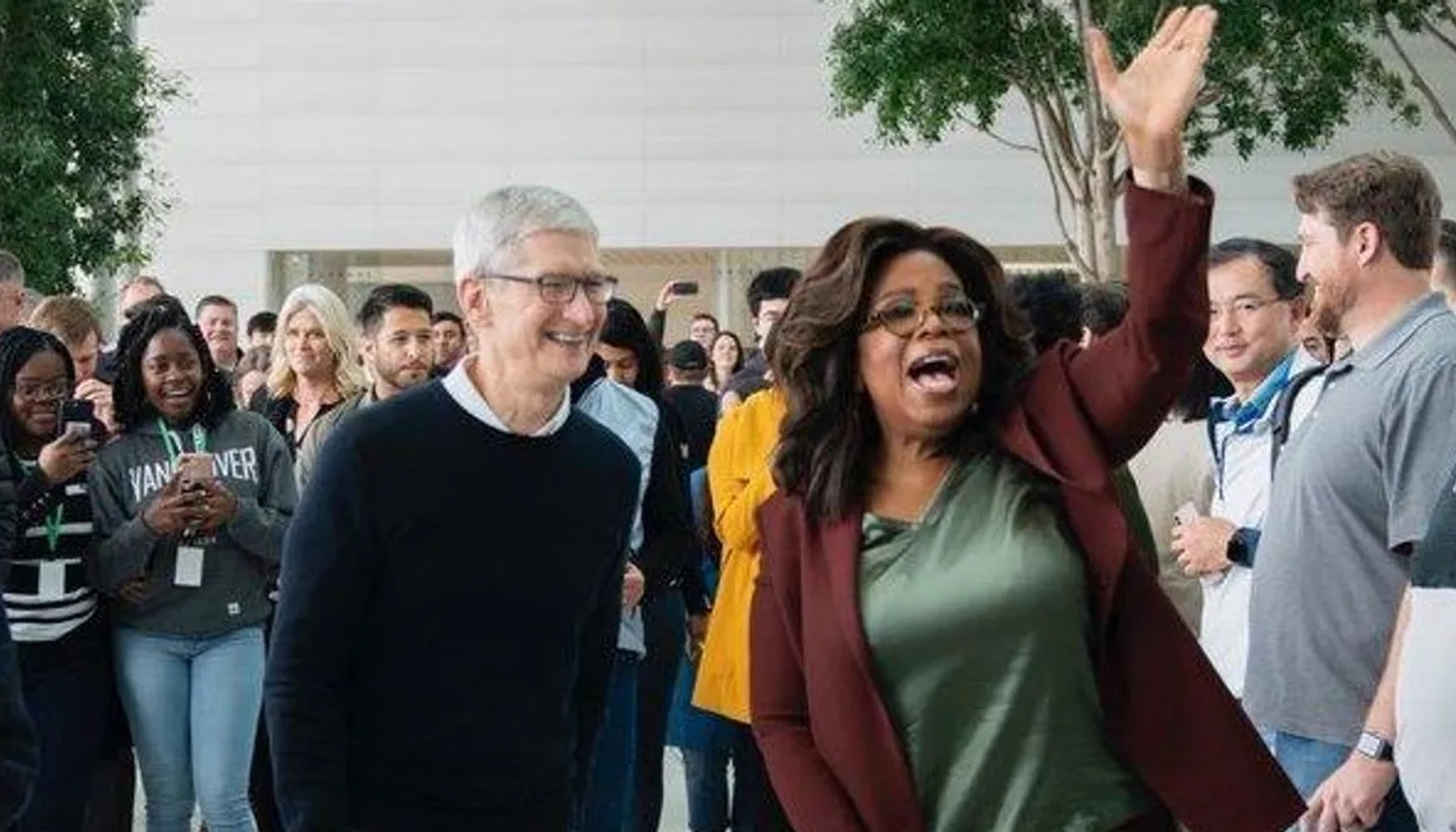
Your iPhone isn’t just a phone—it doubles as a luxury badge.
Under Tim Cook, Apple didn’t merely sell devices; it marketed them as membership cards to an exclusive club. The shift isn’t accidental. The era’s branding has leaned into “tech chic” aesthetics, and what used to be a practical tool now reads as social capital. The green-to-blue bubble dynamic in iMessage became a social signal, a silent indicator of group belonging, while the Apple Watch emerged as a celebrity-approved fashion accessory more than a mere wellness gadget. In short, Apple’s devices became status symbols in everyday life, not just in glossy ads.
The strategy rests on more than eye-catching hardware. Apple’s ecosystem creates a seamless, almost invisible, convenience layer: devices that talk to each other, a cloud that syncs work and play, and services that feel optional until you rely on them every day. That coherence is the core of the prestige: top-tier design, consistently strong privacy messaging, and a curated user experience that minimizes friction. In a market crowded with capable rivals, the packaging—design language, retail experience, and the aura of exclusivity—adds a value beyond raw specs.
This branding isn’t just about prices or flashy launches. It’s about psychological leverage. Consumers don’t just buy an iPhone; they buy confidence that their device will “work the way they expect” for years. They buy the sense that upgrading isn’t a solo tech decision but a lifestyle move, a signal that they’ve traded a broader open-market approach for a more curated, predictably reliable experience. That dynamic helps explain why celebrities and creators have gravitated to Apple Watches and other wearables as part of an accessory kit, not just a tech stack.
For retailers and manufacturers, the strategy translates into concrete tradeoffs. The premium price point supports robust margins and a perceived quality premium, while the ecosystem approach nurtures longer upgrade cycles and high lifetime value. But it also narrows the field for competitors: when the value exchange hinges on a tight-knit set of devices and services, the cost of entering the club isn’t just the sticker price—it’s the commitment to a tightly integrated experience. Buyers must weigh the prestige and convenience against the limits of customization, openness, and sometimes higher total cost of ownership over years.
Industry observers will watch how Apple sustains this prestige as devices evolve. The push into services, health features, and privacy positioning strengthens the brand narrative, but it also raises expectations for continued innovation without alienating non-Apple ecosystems. The question isn’t only what Apple delivers next, but how it preserves the sense that owning its gadgets is more than a purchase—it’s a statement.
Verdict: Buy if you value a cohesive, prestige-forward ecosystem and you’re comfortable with a higher price tag and tighter control. Skip or wait if you crave customization, price flexibility, or truly open software choices. For those who want the strongest signal of “tech chic,” Apple remains the easiest badge to wear—and the riskiest one to outgrow.
- Tim Cook's Legacy: Turning Apple's Tech Chic Gadgets Into Status Symbolscnet.com / Source role not classified / Published APR 21, 2026 / Accessed APR 21, 2026