Six Dumb Appliances You Can Smart-ify
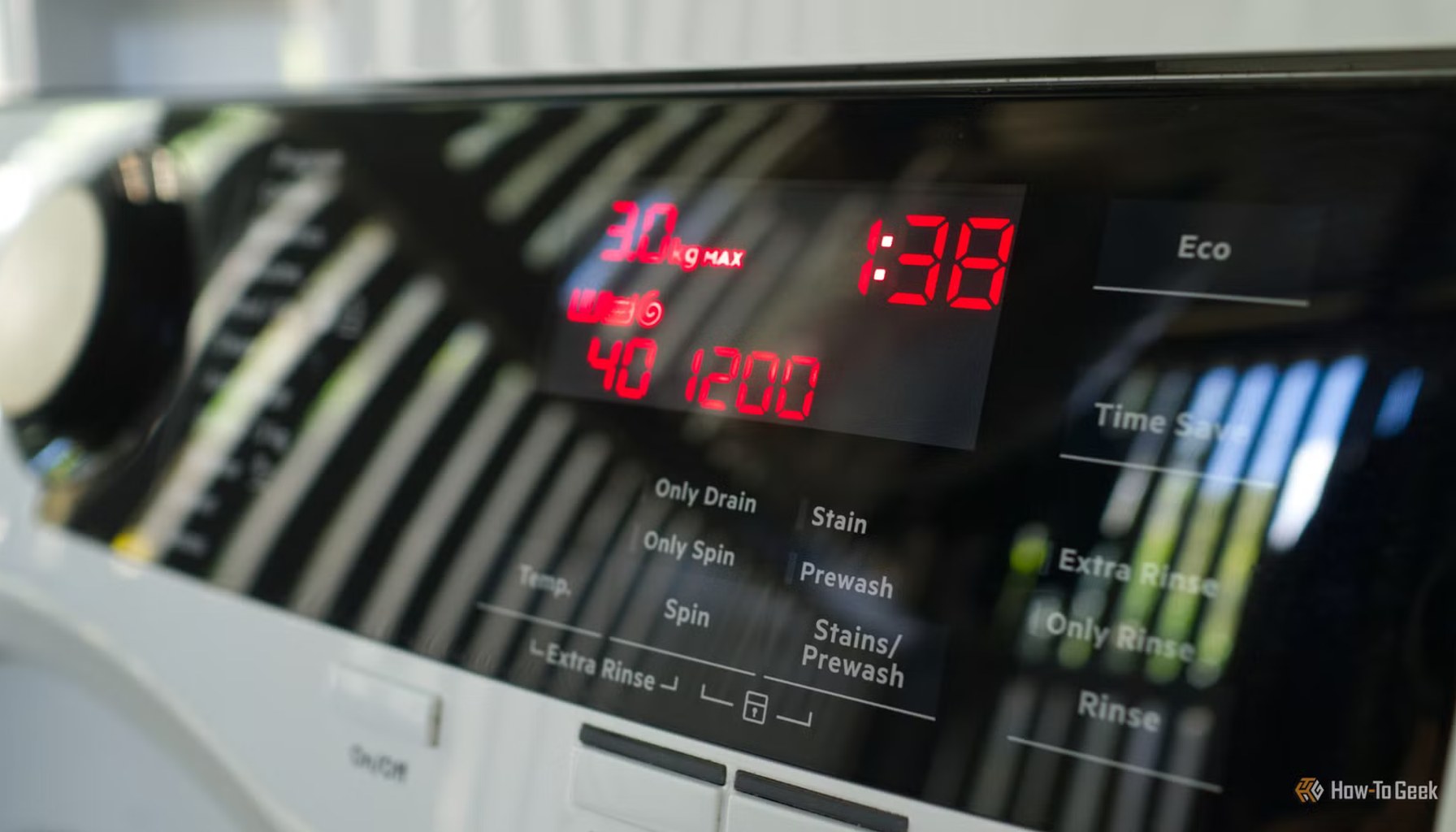
Image / How-To Geek Smart Home
Turn your old appliances into smart helpers without buying new ones.
How-To Geek’s practical guide leans into a simple truth: you don’t need to retire your trusty devices to join a smarter home. The piece walks through six everyday, “dumb” appliances and shows how cheap upgrades can coax useful features from them in minutes. The overall message is clear: smart home satisfaction doesn’t require a full hardware overhaul, and you can start with affordable add-ons that fit your current setup.
From a consumer perspective, the most appealing aspect is the price math. The upgrades tend to be low-cost, with a focus on one-time purchases rather than ongoing commitments. In other words, you can get smarter without a hefty monthly bill. Subscriptions aren’t a prerequisite for basic functionality, and you won’t be forced into a long-term cloud contract to see measurable benefits right away. The pragmatic takeaway for comparison-shoppers is that the economics of retrofitting are friendlier than buying all-new “smart” versions of six appliances.
That said, the article does not pretend that there are no tradeoffs. The catch for the budget-friendly approach is privacy and control. When you retrofit with external add-ons, you frequently introduce new data pathways, such as power draw, usage patterns, and status signals, that travel to apps or cloud services. The more you lean on a single vendor or ecosystem, the more you risk lock-in: it becomes harder to switch platforms without losing history, automations, or convenient ways to monitor energy consumption. The remedy, the piece hints, is to prioritize devices that offer local control or open standards where possible, and to read privacy settings before you connect a smart plug or sensor to your home network.
For practitioners and enthusiasts, a few concrete patterns emerge that matter in real life. First, reliability hinges on simplicity: many retrofits succeed because they don’t require rewiring or replacing core hardware, just a lightweight accessory that plugs in or pairs via Bluetooth or Wi-Fi. Second, energy and usage data are where the value lives, so expect the biggest wins from devices that provide meaningful feedback, such as knowing when a kettle turned on or a fan kicked in, without spamming your feed with unnecessary telemetry. Third, a critical failure mode is compatibility. If you upgrade piecemeal, you can wind up with scattered apps, inconsistent automations, and dead-end routines when a device goes offline or a service updates its API. Finally, the industry is slowly evolving toward interoperability standards that reduce friction between devices from different brands, which makes future upgrades less painful and more predictable.
The practical takeaway for readers weighing options is straightforward: you can push smart features into six otherwise dumb appliances at a modest total cost, with minimal ongoing fees. The real decision is about balance: how much you value privacy and future-proofing against the convenience of quick, cheap upgrades today. If you want to keep a lean setup, favor add-ons that offer local control and transparent data practices, and plan for gradual expansion as ecosystems converge around clearer standards.
- 6 "dumb" household appliances you can add to your smart home—and how to do it properlyHow-To Geek Smart Home / Mainstream / Published JUL 15, 2026 / Accessed JUL 15, 2026