Automation Spending Surges as Growth Takes Hold
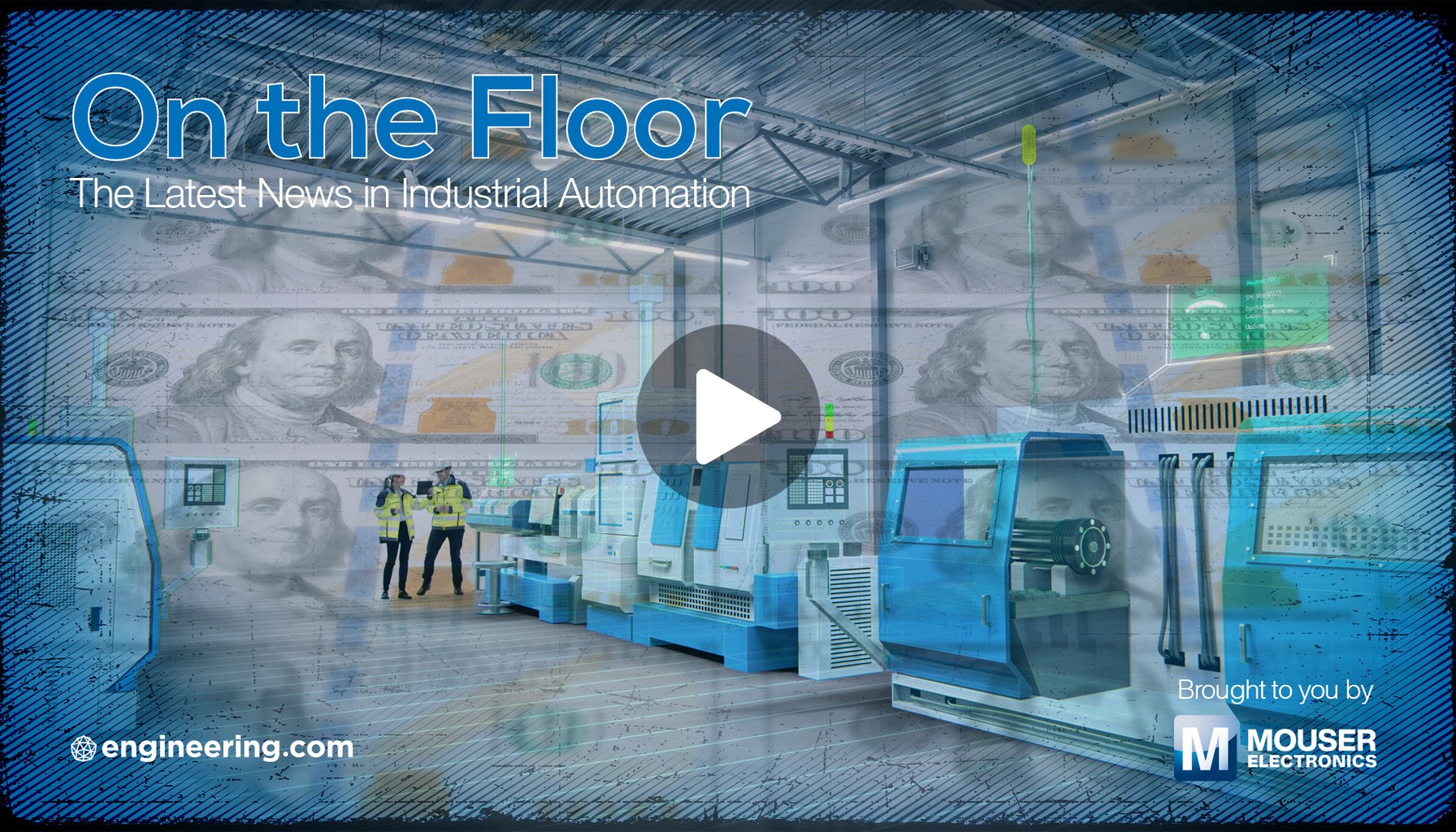
Image / Design World
Automation investments are surging as 2026 kicks off a five year growth spree. Deployment data shows manufacturers are accelerating capital expenditures to upgrade from legacy automation toward intelligent, connected systems. The case study reports that after a period of slower years, analysts now foresee sustained, multi year expansion in industrial automation, driven by demand for smarter, more adaptable production lines.
The eye on the plant floor is shifting from simply adding robots to engineering end to end digital solutions. Lead with the operational metric and you quickly see why: cycle times and throughput become the clearest proof of value. When lines can run longer between interruptions and products move through more quickly without sacrificing quality, the arithmetic of ROI improves. In practice, firms report that intelligent systems enable tighter sequencing, predictive maintenance, and better line visibility, all of which compress cycle time and lift throughput. But the gains are not a given. ROI hinges on how deeply the new stack can be integrated with existing controls, MES, and data architectures, and on how reliably the system can extract actionable information from factory data.
Integration requirements are the quiet gatekeeper of this wave. Open interfaces, common data models, and vendor ecosystems matter as much as the robots themselves. The case study underscores that manufacturers must plan for interoperability across programmable logic controllers, sensors, and supervisory software. Cybersecurity, data governance, and real time analytics capabilities increasingly drive the speed and reliability of implementation. In many facilities, the path to intelligent automation also runs through retrofits of older equipment, necessitating adapters, edge computing assets, and robust change management. Without these integration rails, the promised gains can stall on the fence between pilot and production.
Skilled trades remain a critical, if evolving, pillar of automation projects. While the technology promises to reduce repetitive tasks and elevate oversight, implementation still hinges on field work: electricians for power and cabling, technicians for commissioning, and welders or machinists when new fixtures or fixtures are required. Automation, in this view, augments craft labor rather than replaces it. Linemen, inspectors, welders, and other crafts bring the on site discipline and practical know how that no software can substitute, particularly during commissioning and testing. The result is a collaboration model where automation handles repeatable, data driven tasks and human workers focus on integration, safety, and quality assurance at the zone of greatest risk.
Two practitioner insights emerge for leaders weighing this transition. First, constraint management matters as much as capability. Capital budgeting cycles and component lead times can throttle deployment speed, so firms that synchronize supplier commitments with project milestones tend to realize faster payback. Second, the tradeoffs between speed and depth are real. A rapid, lighter weight automation upgrade can deliver early throughput boosts, but deeper, AI driven orchestration across the plant yields larger, longer term cycle time reductions. The upside requires disciplined scoping, a clear integration plan, and robust testing to avoid interrupting production during the transition.
Looking ahead, this is more than a temporary lift in orders for hardware. It signals a structural shift toward intelligent automation, where capital spending aligns with smarter control, better data, and a new generation of connected, resilient operations. The case study reports that the 2026 kickoff marks the start of what analysts expect to be a sustained five year expansion, with manufacturers steadily moving beyond traditional automation toward adaptable, intelligent systems that knit together people, process, and machines.
- Industrial automation accelerates with increased capital spendingDesign World / Trade / Published JUL 14, 2026 / Accessed JUL 15, 2026