Budget iPhone 17E: Still Worth It
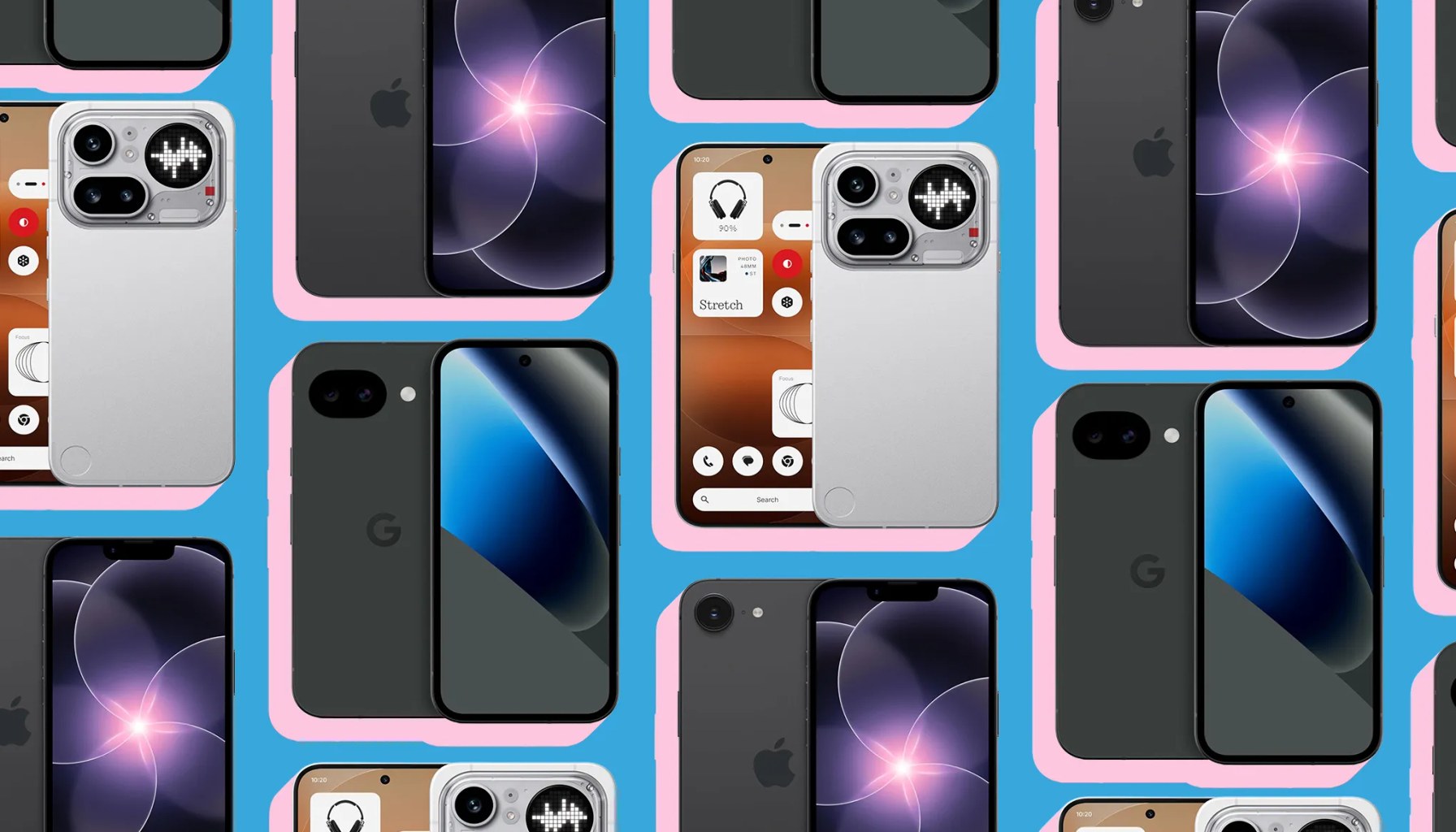
The $599 iPhone 17E proves you don’t need flagship cash for iOS.
Budget smartphones have become surprisingly competent, and the iPhone 17E is the poster child in Apple’s sub‑$600 lane. The Verge’s take on the best cheap phones, including this model, highlights a 256GB base storage option and a 6.1-inch OLED panel, albeit with a 60Hz refresh rate. It runs the same processor family as its flagship peers, the A19, and pairs a 48‑megapixel main camera with a 12‑megapixel selfie cam. The battery is listed at 4,005mAh, and charging tops out at 20W wired with 15W MagSafe wireless, plus a water-resistance rating that keeps the phone usable in real life damp situations. It’s the kind of package that makes you rethink “budget” without turning into a compromise list.
In hands-on use, the iPhone 17E’s strength is clear: iOS polish, long software support, and a seamless Apple ecosystem. If you’re already deep in Apple services — iCloud, Fitness+, and the like — the 17E slides into your existing setup with minimal friction. The 256GB baseline is a real selling point in a world where storage tiers tend to be stingy on cheaper devices. On the other hand, the 60Hz display, while perfectly adequate for daily tasks, misses the buttery-smoothness you’ll find on many Android midrange models with 90Hz or 120Hz panels. The camera stack, while competent in good light, isn’t a camera-phone flagship, and you’ll notice the slower performance when gaming or working across heavy-app scenarios compared with pricier iPhones. Still, you won’t feel starved by the system’s responsiveness in everyday use, app switching, or photo capture.
What does this mean for a buyer? First, if your budget is fixed around $600 and you want a modern iPhone experience that will receive software updates for years, the 17E is a strong bet. Its 256GB base storage helps many users avoid the “out of space” alert that plagues lighter- storage devices, especially for those who store lots of photos or apps locally. Pricing consistency across major retailers — $599 at Apple, $599.99 at Best Buy or T-Mobile — adds clarity: you’re paying a straightforward upfront price with no visible subscription traps tied to the phone itself. Optional costs exist, of course: iCloud storage, AppleCare+, and MagSafe accessories can raise the total cost over time, but none of these are mandatory for everyday use.
The obvious alternative, of course, is the Android budget crowd. Phones in this category often trade some iOS niceties for higher refresh rates, different camera philosophies, or expandable storage. If you prize software flexibility, a larger screen feel, or a more aggressive camera feature set at similar prices, you might prefer a budget Android. The question then becomes: do you value Apple’s ecosystem longevity and consistent updates more than a faster display or optional microSD expansion? The verdict hinges on priorities.
Setup time and difficulty are realistic for a modern smartphone: a quick power-on, sign-in, and transfer or restore from a prior device—think 5–15 minutes, depending on how many apps and photos you carry over. It’s not a one-device-only experience; you’ll likely want to tailor notifications, privacy settings, and iCloud preferences in the days after you start using it.
Verdict: Buy — if you want a budget iPhone with substantial storage and the reliability of Apple’s ecosystem without paying flagship prices. Skip if you crave a high-refresh-rate display, cutting-edge camera features, or truly heavy Android customization at the same price.
- The best budget smartphones you can buytheverge.com / Source role not classified / Published APR 17, 2026 / Accessed APR 17, 2026